Is the brain's 'hardware' enough to explain the feeling of being?
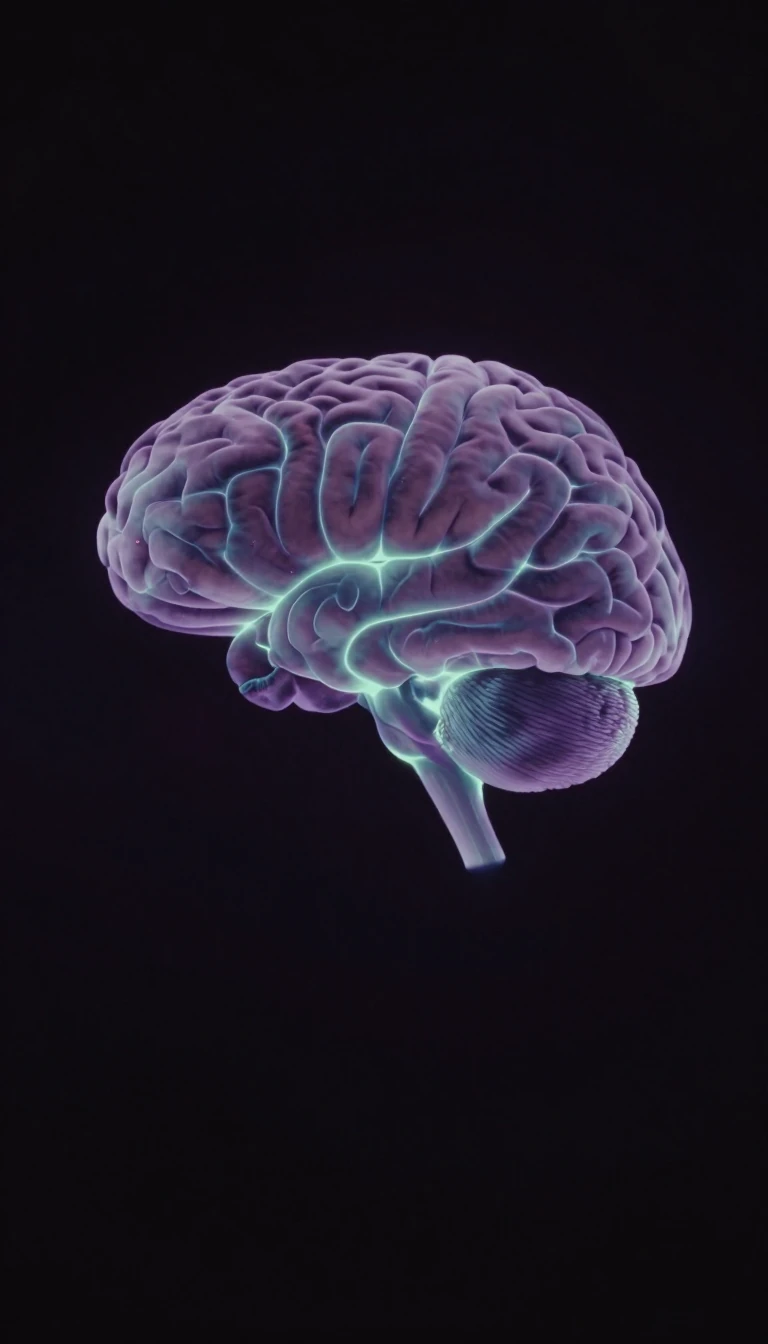
In short: Neuroscientists are hunting for the Neural Correlates of Consciousness, which are the specific neuronal events that mirror our subjective experiences. While researchers can map where brain activity occurs, the jump from electrochemical signals to the actual feeling of being remains a profound mystery that challenges our understanding of the mind.
The search for the NCC began in earnest with a 1990 publication by Crick and Koch, which proposed a neurobiological theory of consciousness. Since then, researchers have worked to distinguish the actual correlates of awareness from the neural processes that merely precede, accompany, or follow it. A major point of contention is whether these correlates are localized to specific areas, such as the posterior cortical regions, or if they involve complex, large-scale networks.
Several competing models attempt to explain this mechanism. The Global Workspace Theory suggests consciousness arises from a global broadcasting of information. In contrast, Integrated Information Theory (IIT) focuses on the mathematical properties of integration and differentiation within a system. To test these, scientists use "no-report" paradigms, which aim to isolate the neural correlates of perception from the activity associated with a subject simply reporting what they saw. For example, studies on binocular rivalry have shown that frontal activity may relate to introspection and action, but not necessarily to the underlying perception itself.
The stakes of this research are high, particularly in clinical settings. For patients in vegetative states or minimally conscious states, behavioral assessments can be subjective or limited. New biomarkers, such as the spectral exponent (SE)—which measures the decay slope of EEG aperiodic activity—are being tested to provide objective quantification of consciousness. In a study of 15 patients with disorders of consciousness, narrowband SE (1-20 Hz) showed significant diagnostic sensitivity, correlating positively with behavioral scores like the CRS-R index. These tools help bridge the gap between the "hard problem" of subjective experience and the measurable reality of brain activity.
theme-case-kebab-case
mood-type difficulty-number
topics-list claims-list canvas
Opens the Intellect+ feed with this card first. Swipe up for the next one.
Sources
- Summary by Intellect · source: Neural correlates of consciousness: progress and problems - Nature Reviews Neuroscience
- Also: Neural correlates of consciousness
- Also: The Neural Correlates of Consciousness: A Spectral Exponent Approach to Diagnosing Disorders of Consciousness.
To cite this card, link to https://intellectplus.co.uk/app/health-neural-correlates-of-consciousness.
How we source, check and correct cards: Editorial standards.
General information, not professional advice. Spotted an error? Flag the card or see corrections and complaints.
Intellect Plus is a visual educational discovery platform for exploring fascinating facts and ideas. Brain Food, Not Brain Rot. What is Intellect Plus?
Related
More in Consciousness · More in Health · Latest · A–Z · All topics
