Are Munchkin cats a triumph of breeding or a case of genetic manipulation?
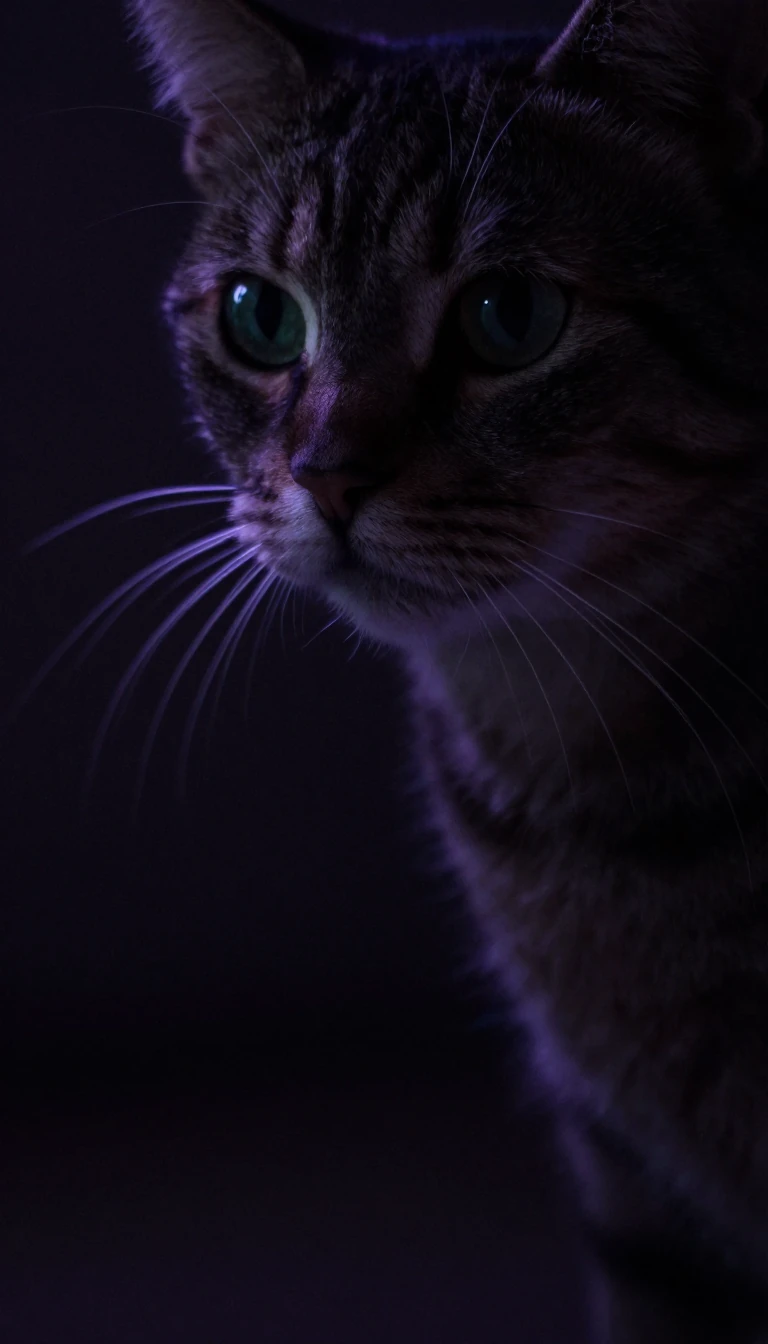
In short: The Munchkin cat is defined by its distinctively short legs, a trait born from a genetic mutation. While some registries celebrate the breed, others condemn it as an unethical manipulation of animal health. This divide raises difficult questions about the limits of human intervention in the natural biology of pets.
The Munchkin breed emerged from a spontaneous genetic mutation, first documented in the 1940s and later popularized in the United States during the 1980s. Its hallmark short-legged appearance has sparked intense debate among feline experts and welfare organizations. Critics often compare the breed to dachshunds, expressing concern that these physical exaggerations may predispose the animals to chronic back, hip, and leg issues. Consequently, several international cat registries and governments have prohibited the breeding of these cats, citing welfare concerns and the potential for long-term health complications.
Beyond the debate over physical structure, Munchkin cats are also subject to broader genetic health monitoring. Recent research into feline health has highlighted the importance of direct-to-consumer genetic testing to manage hereditary disorders like polycystic kidney disease (PKD). While testing has successfully reduced the prevalence of specific PKD-related genetic variants in several breeds, such as Scottish Folds and Persians, the same progress has not been observed in Munchkins. This lack of a significant reduction in risk variants underscores the ongoing challenge of maintaining genetic health in breeds with unique, mutation-based characteristics.
The controversy is further complicated by the diverse standards of global cat associations. While organizations like The International Cat Association recognize the breed, others, such as the Fédération Internationale Féline, refuse to do so, labeling the breed an unacceptable manipulation of genetic disease. This disagreement highlights a fundamental tension in the world of pedigree breeding: the conflict between aesthetic preference and the ethical responsibility to prioritize an animal's structural integrity and overall well-being over human-defined standards of appearance.
Opens the Intellect+ feed with this card first. Swipe up for the next one.
Sources
- Summary by Intellect · source: Widespread genetic testing controls inherited polycystic kidney disease while avoiding inbreeding in cats.
- Also: Munchkin cat
To cite this card, link to https://intellectplus.co.uk/app/health-munchkin-cat.
How we source, check and correct cards: Editorial standards.
General information, not professional advice. Spotted an error? Flag the card or see corrections and complaints.
Intellect Plus is a visual educational discovery platform for exploring fascinating facts and ideas. Brain Food, Not Brain Rot. What is Intellect Plus?
Related
More in Health, medicine and disease · More in Health · Latest · A–Z · All topics
