Is the Himalayan cat a distinct breed or just a long-haired Siamese cousin?
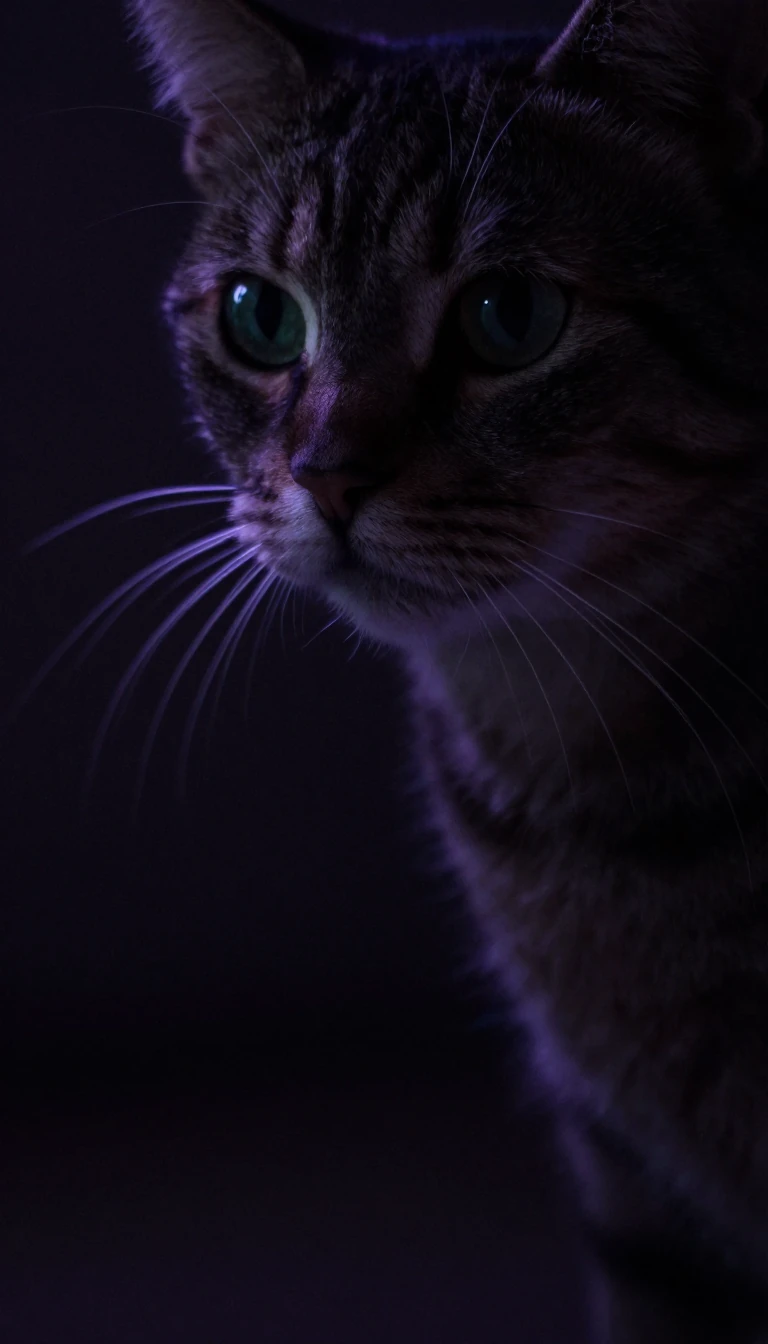
In short: The Himalayan cat is a genetic puzzle, born from decades of experimental breeding to combine the luxurious coat of a Persian with the striking point colouration of a Siamese. Whether it stands as a unique breed or merely a Persian variant remains a point of contention among major cat registries today.
The quest to create the Himalayan began in the 1930s at Harvard University, where researchers first attempted to merge Persian and Siamese traits. While these early efforts were published in the Journal of Heredity in 1936, they failed to gain immediate recognition. It was not until 1955 that the breed was formally recognised in the UK as the Longhaired Colourpoint, following independent development by Brian Sterling-Webb. By 1948, breeders like Jean Mill were already working in the US to perfect the cross, and by 1957, Mrs. Goforth secured official recognition from the Cat Fanciers' Association.
Physically, the Himalayan is a study in contradictions. It possesses the massive, round head and cobby body of a Persian, yet carries the distinct blue eyes and colour points of a Siamese. However, its conformation is entirely Persian; it shares none of the Siamese's sleek type. This duality has led to shifting classifications. While some groups treat it as a separate breed, others, including the Cat Fanciers' Association, reclassified it as a Persian variant in 1984 to encourage a more uniform, Persian-style appearance, effectively sidelining the more Siamese-like specimens that were popular in the 1960s.
This breed's unique biology comes with significant health considerations. As a brachycephalic breed, the Himalayan is predisposed to respiratory infections and various ocular issues, such as corneal sequestration and ulcers. They are also prone to hereditary conditions like polycystic kidney disease and a specific, breed-associated ailment known as idiopathic facial dermatitis. This condition, which typically appears between 10 months and six years of age, causes greasy skin and inflammation around the face and nose. Despite these challenges, the breed has achieved massive cultural visibility, appearing in films like Homeward Bound and becoming an internet sensation through figures like Colonel Meow.
Opens the Intellect+ feed with this card first. Swipe up for the next one.
Sources
- Summary by Intellect · source: Himalayan cat
To cite this card, link to https://intellectplus.co.uk/app/nature-himalayan-cat.
How we source, check and correct cards: Editorial standards.
General information, not professional advice. Spotted an error? Flag the card or see corrections and complaints.
Intellect Plus is a visual educational discovery platform for exploring fascinating facts and ideas. Brain Food, Not Brain Rot. What is Intellect Plus?
Related
More in Animal breeds and hybrids · More in Nature · Latest · A–Z · All topics
