The modern Persian cat is a genetic stranger to its namesake's ancestral home.
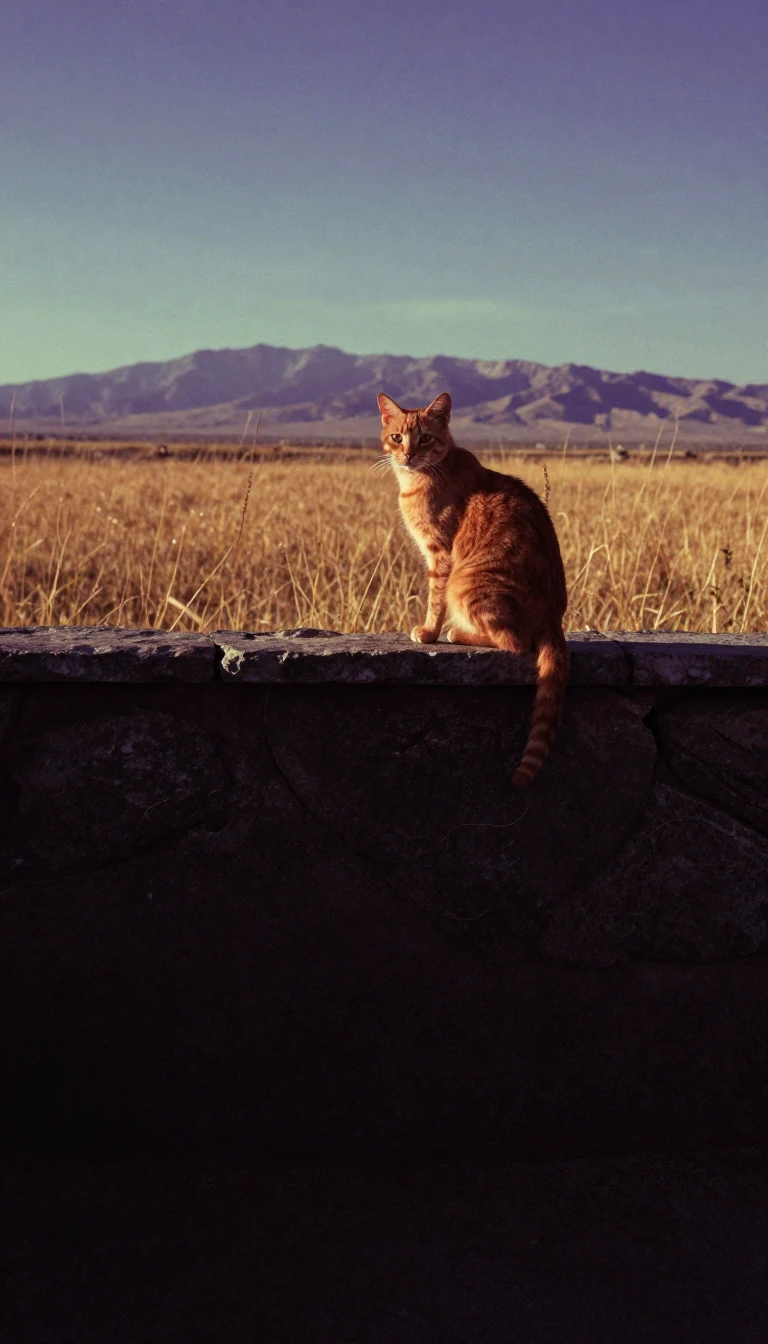
In short: While the Persian cat carries a name suggesting an ancient Middle Eastern lineage, modern genetic research reveals its true heritage lies in Western Europe. This popular breed has undergone radical physical transformations through selective breeding, shifting from a traditional, functional feline to the extreme, flat-faced aesthetic favored in modern show rings.
The origins of the Persian cat are shrouded in mystery, with early documentation linking the breed to imports from Khorasan and Syria in 1620. While historical figures like Pietro Della Valle expressed interest in these long-haired cats, the name 'Persian' was largely a marketing invention by European breeders in the 19th century. In their native regions, such as Afghanistan and Iran, these cats were known by local names like 'Boorauk' and were rarely exported from the areas they were named after.
The modern Persian cat's physical appearance has been dramatically altered by selective breeding. Originally a cat with a petite, functional muzzle, the breed was pushed toward an 'ultra-type' or 'peke-face' look, characterized by extreme flatness. This trend, which gained momentum in the late 1950s, has led to significant health issues, including breathing difficulties and chronic tear duct deformities. While breed standards have fluctuated—sometimes attempting to curb these extremes—the aesthetic preference for a flat face remains a dominant force in many international registries.
Genetically, the modern Persian has lost its original phylogeographical signature. Phylogenetic analysis places the breed firmly within the European cat population, showing its closest relatives to be the British Shorthair, Chartreux, and American Shorthair. This genetic shift is partly due to the widespread practice of outcrossing. For instance, the Exotic Shorthair was developed in 1966 by crossing Persians with American Shorthairs, effectively creating a 'lazy man's Persian' that shares the breed's conformation and health challenges but with a shorter coat.
Despite the popularity of the ultra-typed Persian in show rings, there is a persistent movement to preserve the 'Traditional' or 'doll-face' Persian, which retains a more pronounced muzzle and healthier respiratory function. This tension between extreme aesthetic standards and the preservation of the original phenotype highlights the ongoing debate within the cat fancy regarding the ethics of breeding for specific, often detrimental, physical traits.
Opens the Intellect+ feed with this card first. Swipe up for the next one.
Sources
- Summary by Intellect · source: Persian cat
- Also: iNaturalist — Eastern Cat-mint (Nepeta racemosa) · CC BY-SA 4.0 (Wikipedia summary)
To cite this card, link to https://intellectplus.co.uk/app/nature-persian-cat.
How we source, check and correct cards: Editorial standards.
General information, not professional advice. Spotted an error? Flag the card or see corrections and complaints.
Intellect Plus is a visual educational discovery platform for exploring fascinating facts and ideas. Brain Food, Not Brain Rot. What is Intellect Plus?
Related
More in Animal breeds and hybrids · More in Nature · Latest · A–Z · All topics
