The heart was once thought to be the seat of thought
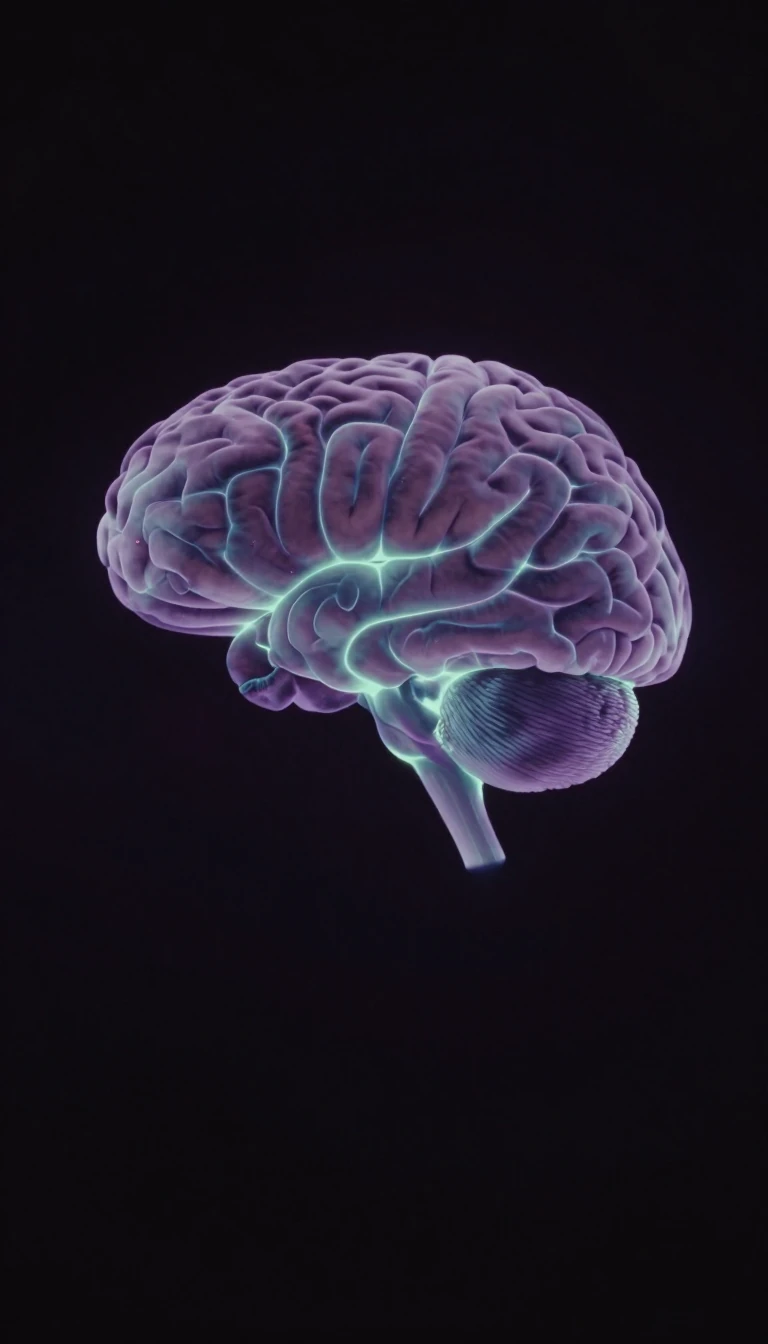
In short: For centuries, humanity believed the heart governed our feelings and intellect, while the brain was merely a cooling system. Modern neuroscience has overturned this ancient perspective, revealing a complex architecture of neurons and circuits that underpin every human experience from basic motor skills to the mystery of consciousness.
The journey to understanding the brain's role in human experience is marked by significant historical shifts. As early as 3000 BC, Egyptians recognized that specific brain injuries correlated with distinct symptoms, even while their broader spiritual beliefs attributed thought and feelings to the heart. This dual perspective persisted for millennia. Aristotle famously argued that the heart was the source of mental processes, relegating the brain to a secondary role as a cooling mechanism for the cardiovascular system. It wasn't until later that thinkers like Plato began to identify the brain as the locus of mental activity.
During the medieval period, the prevailing view was dominated by Galen, who attributed sensory sensations to the middle of the brain and motor sensations to the anterior portion. These beliefs, which included theories that black bile caused mental disorders and phlegm caused epilepsy, remained largely unchallenged for centuries. It wasn't until the work of Andreas Vesalius that the field began to move away from these crude anatomical attributions, though he initially doubted that studying anatomy alone would unlock the secrets of thinking.
Advanced instruments, including diffusion tensor imaging and magnetic resonance imaging, enable modern brain and spinal cord physical alterations to be monitored by researchers instantly. The field is increasingly interdisciplinary, combining biology, psychology, and computational modeling. For instance, cognitive neuroscience explores human consciousness through biochemical and biophysical lenses, while behavioral neuroscience examines how the nervous system interacts with the environment to drive motivation and learning. Modern research also explores the elasticity of the brain, demonstrating how nurture—such as the physical touch provided to infants—can actually alter gene expression and cognitive development.
theme-perspective
mood-reflective
difficulty-2 topics-[
Opens the Intellect+ feed with this card first. Swipe up for the next one.
Sources
- Summary by Intellect · source: Neuroscientist
To cite this card, link to https://intellectplus.co.uk/app/health-neuroscientist.
How we source, check and correct cards: Editorial standards.
General information, not professional advice. Spotted an error? Flag the card or see corrections and complaints.
Intellect Plus is a visual educational discovery platform for exploring fascinating facts and ideas. Brain Food, Not Brain Rot. What is Intellect Plus?
Related
More in Consciousness · More in Health · Latest · A–Z · All topics
