Did this ancient Greek philosopher discover the brain as the seat of human consciousness?
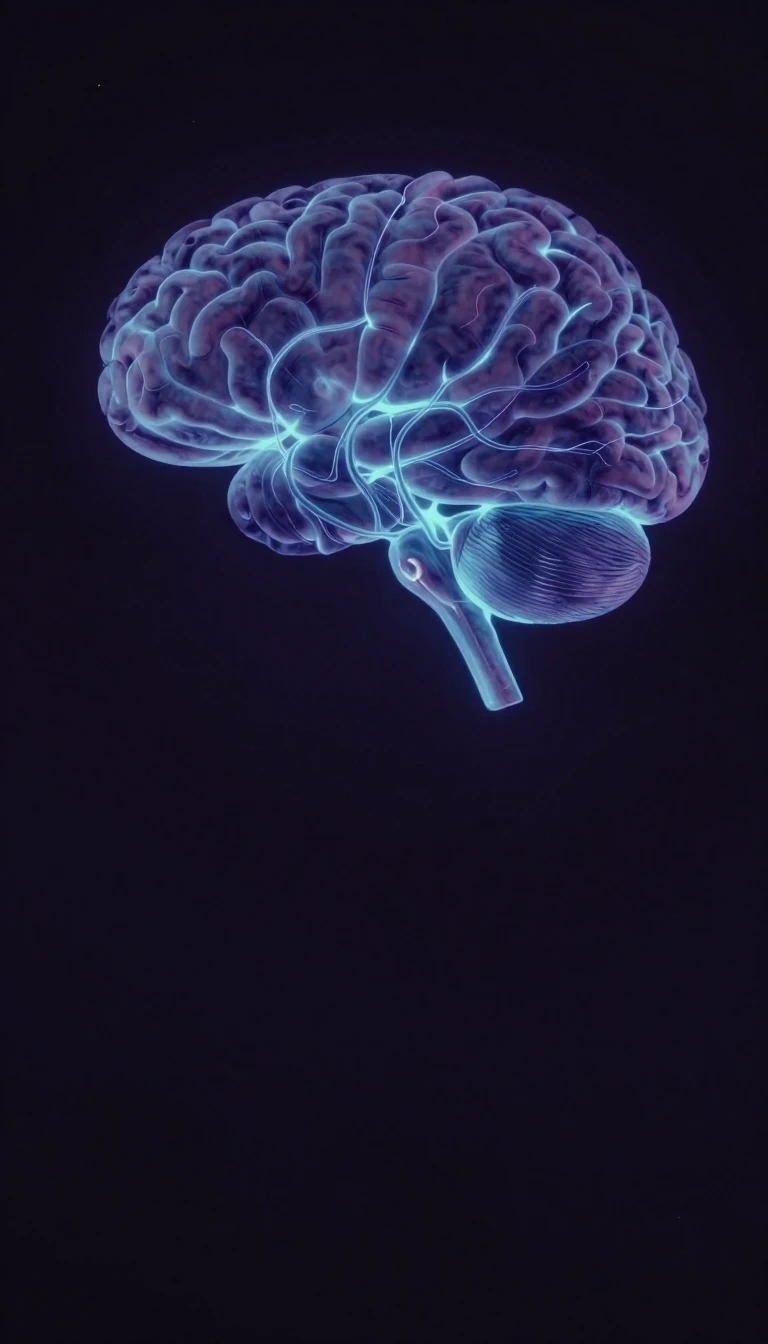
In short: Alcmaeon of Croton, a 5th-century BC thinker, challenged his contemporaries by arguing that the brain, not the heart, was the center of human intelligence. His pioneering work in anatomy and physiology helped shift medicine toward an empirical, observation-based science that still shapes our understanding of the body today.
Born in Magna Graecia around 510 BC, Alcmaeon of Croton was a multifaceted figure whose work spanned medicine, natural philosophy, and meteorology. While often historically linked to the Pythagoreans, modern scholarly consensus since 1950 views him as an independent thinker. He is widely credited as one of the first to advocate for anatomical dissection, though whether he examined animal or human subjects remains a subject of historical debate.
Alcmaeon’s most enduring contribution was his physiological model of the human body. Unlike Empedocles, who believed the mind resided in the heart, Alcmaeon identified the brain as the organ of intelligence and the seat of the senses. He proposed that health was a state of equilibrium, or isonomia, between opposing forces like heat and cold, while disease resulted from a monarchy, or dominance, of one power over others. His observations on the optic nerve and the connection between the brain and sensory organs laid a foundational framework for later medical thinkers, including Hippocratic authors and Aristotle.
Beyond anatomy, Alcmaeon explored the nature of life and the cosmos through a lens of circularity. He argued that the soul was immortal because it possessed autonomous motion, mirroring the eternal circular revolutions of the stars. This focus on circular integration extended to his views on human physiology, where he famously suggested that death occurs because humans cannot join their beginning to their end. His legacy as a pioneer of experimental medicine remains significant, as his emphasis on empirical evidence helped transition ancient Greek thought toward a more scientific, analytical approach to the human condition.
Opens the Intellect+ feed with this card first. Swipe up for the next one.
Sources
- Summary by Intellect · source: Alcmaeon of Croton
- Also: www.britannica.com — Alcmaeon | Medical Contributions, Anatomy & Surgery | Britannica
To cite this card, link to https://intellectplus.co.uk/app/ideas-alcmaeon-of-croton.
How we source, check and correct cards: Editorial standards.
General information, not professional advice. Spotted an error? Flag the card or see corrections and complaints.
Intellect Plus is a visual educational discovery platform for exploring fascinating facts and ideas. Brain Food, Not Brain Rot. What is Intellect Plus?
Related
More in Philosophers · More in Ideas & Philosophy · Latest · A–Z · All topics
