Why your biology is still programmed for the prehistoric night
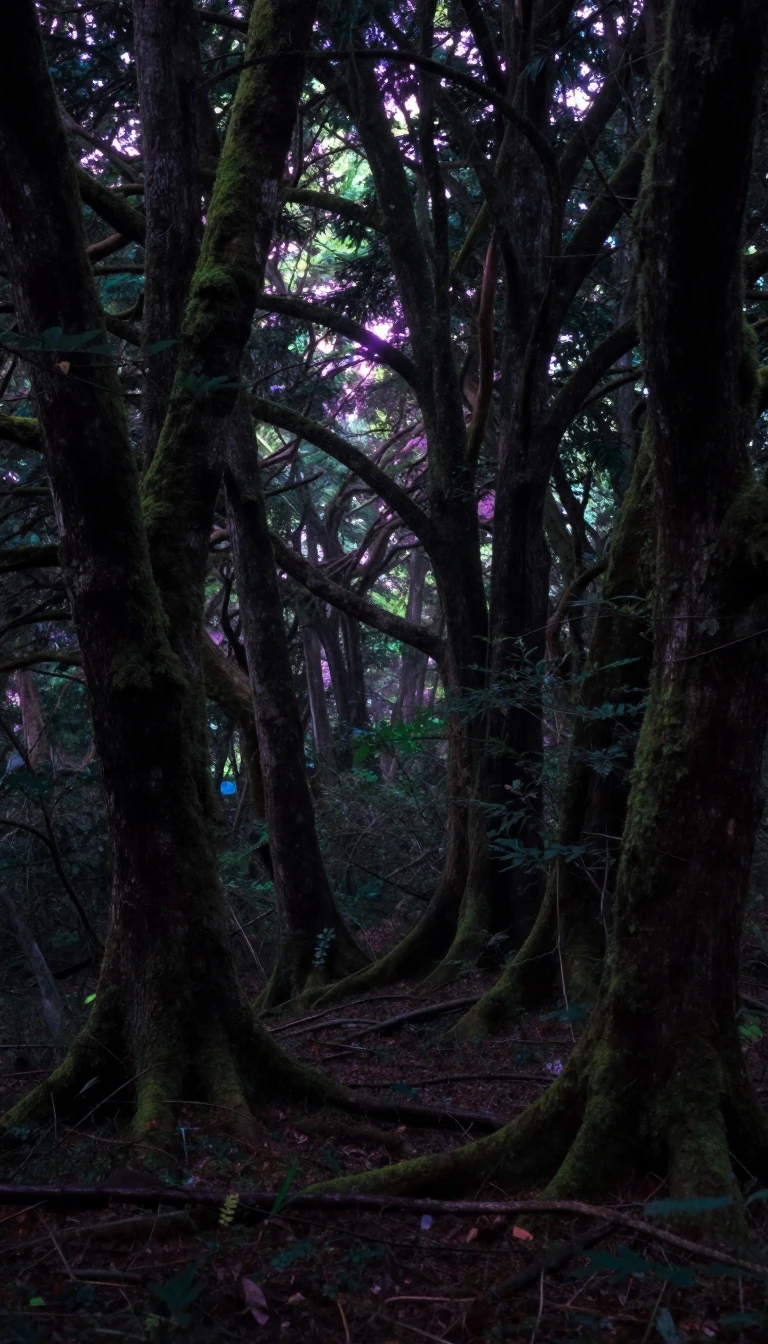
In short: Most mammals spent 160 million years living in the shadows. This evolutionary period, known as the nocturnal bottleneck, shaped our bodies and senses to thrive in darkness, leaving a permanent physiological legacy that persists even in our modern, sunlit world.
The nocturnal bottleneck hypothesis, first described by Gordon Lynn Walls in 1942, suggests that placental mammals were primarily nocturnal for the vast majority of their evolutionary history. This period began roughly 225 million years ago during the Late Triassic and lasted until the Cretaceous–Paleogene extinction event 66 million years ago. During this time, dominant diurnal dinosaurs and other archosaurian sauropsids occupied the daylight niches, forcing the ancestors of mammals—small, burrowing cynodonts—into the forest undergrowths to survive.
Because mammals were forced into these nocturnal roles for approximately 160 million years, many of our core physiological traits are adaptations to life in the dark. This includes an acute sense of hearing with coiled cochleae, a highly developed sense of smell with large olfactory bulbs, and specialized touch like whiskers. Furthermore, mammals evolved endothermia to become independent of solar radiation, developed brown adipose tissue for rapid heat generation, and grew fur for thermoregulation in cold night environments.
The evidence of this 'bottleneck' is also visible in what mammals lack. Unlike many other animals, placental mammals lack a shielding mechanism against ultraviolet light and have lost the ability to produce gadusol, a chemical that protects against the sun. Furthermore, placental mammals do not possess the visible light-dependent DNA repair system known as photolyase. While some mammals eventually adapted to daytime lifestyles to fill niches left by dinosaurs, the fundamental blueprint of mammalian anatomy remains rooted in the shadows of the Mesozoic.
While sleep itself remains a biological mystery, recent research suggests it may be an ancient process linked to these temporal niches. Evidence indicates that molecular oscillators and sleep signaling molecules may predate the evolution of neurons, suggesting that the drive to restrict activity to specific times is a fundamental, ancient biological strategy.
Opens the Intellect+ feed with this card first. Swipe up for the next one.
Sources
- Summary by Intellect · source: Nocturnal bottleneck
To cite this card, link to https://intellectplus.co.uk/app/health-nocturnal-bottleneck.
How we source, check and correct cards: Editorial standards.
General information, not professional advice. Spotted an error? Flag the card or see corrections and complaints.
Intellect Plus is a visual educational discovery platform for exploring fascinating facts and ideas. Brain Food, Not Brain Rot. What is Intellect Plus?
Related
More in Sleep · More in Health · Latest · A–Z · All topics
