Your brain is actively hallucinating your visual field in real time
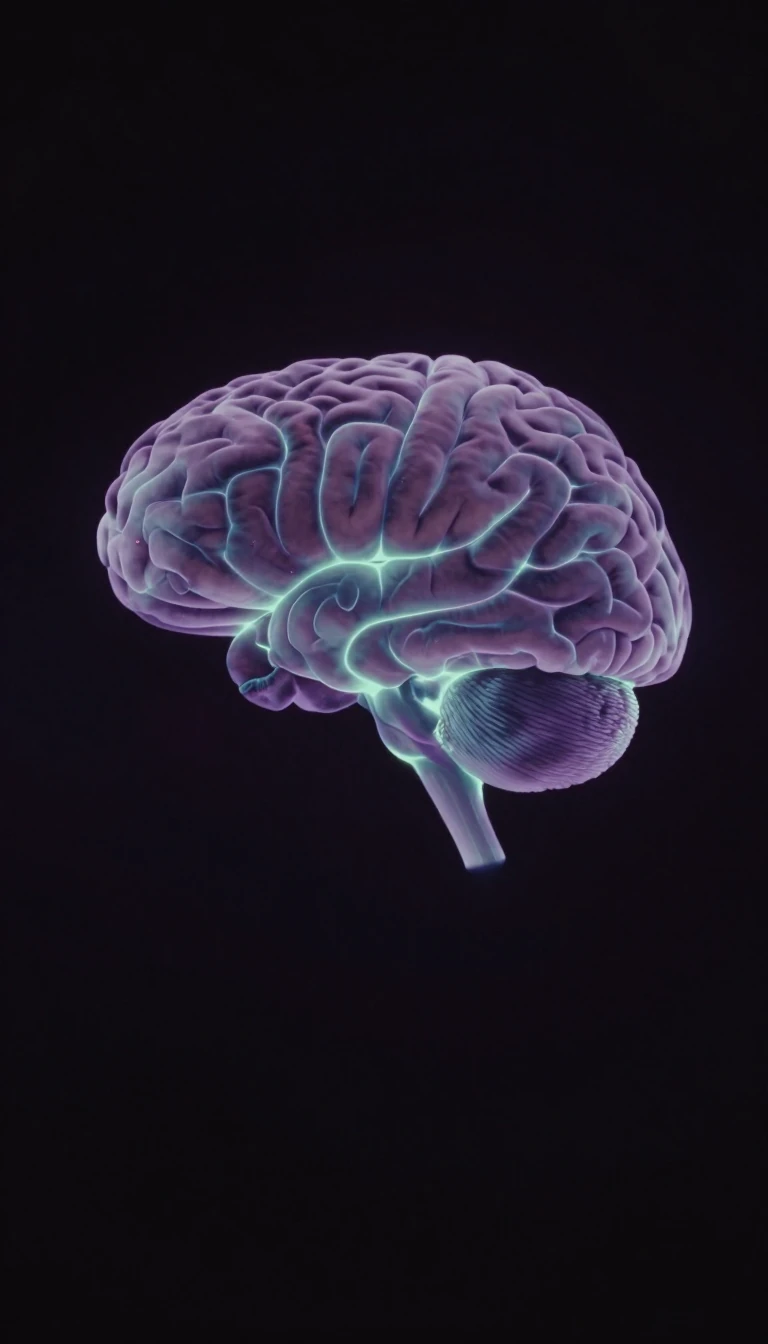
In short: You currently have a hole in your vision where your optic nerve exits the eye. You don't see it because your brain performs a constant, seamless interpolation of surrounding data to fill the void. It is a masterpiece of biological
The medical term for this visual field abnormality is a scotoma (from the Greek word for "darkness"). In every human being, there is a physiological blind spot where the optic nerve passes through the retina. Because this specific area lacks light-detecting photoreceptor cells, it cannot send electrical signals to the brain. Under normal circumstances, however, you do not perceive this gap because your brain automatically fills in the empty space based on surrounding details and information from the other eye.
While everyone has a physiological blind spot, scotomas can also be pathological. These are disruptions of electrical signals caused by conditions affecting the optic nerve or specific areas of the brain. They vary significantly in presentation: "positive" scotomas involve seeing something—such as a spot of a particular color—while "negative" scotomas are invisible to the individual and only detectable by a healthcare provider during testing. Some types, like scintillating scotomas, appear as jagged or wavy patterns that may fluctuate between light and dark, often occurring during migraines with aura.
The anatomy of these gaps is precise. Positioned roughly 7.5° tall by 5.5° broad, a human's blind spot usually rests 1.5° beneath the horizontal plane and 12–15° towards the temple. Other specific types include "central" scotomas (in the middle of vision), "paracentral" scotomas (within 10 degrees of fixation), and "junctional" scotomas, which occur at the point where the optic nerve and the optic chiasm meet near the base of the brain.
Interestingly, this biological quirk is not universal among vertebrates. While humans have a break in the retina to accommodate the optic nerve, cephalopods do not; their optic nerves approach receptors from behind, avoiding a break in the retinal structure entirely.
theme-keywrod
mood difficulty
topics claims canvas
Opens the Intellect+ feed with this card first. Swipe up for the next one.
Sources
- Summary by Intellect · source: What Is a Scotoma?
- Also: Blind spot (vision)
To cite this card, link to https://intellectplus.co.uk/app/science-blind-spot-vision.
How we source, check and correct cards: Editorial standards.
General information, not professional advice. Spotted an error? Flag the card or see corrections and complaints.
Intellect Plus is a visual educational discovery platform for exploring fascinating facts and ideas. Brain Food, Not Brain Rot. What is Intellect Plus?
Related
More in The Eye and Vision · More in Science · Latest · A–Z · All topics
