Can automated safety systems prevent the human errors that derail rail networks?
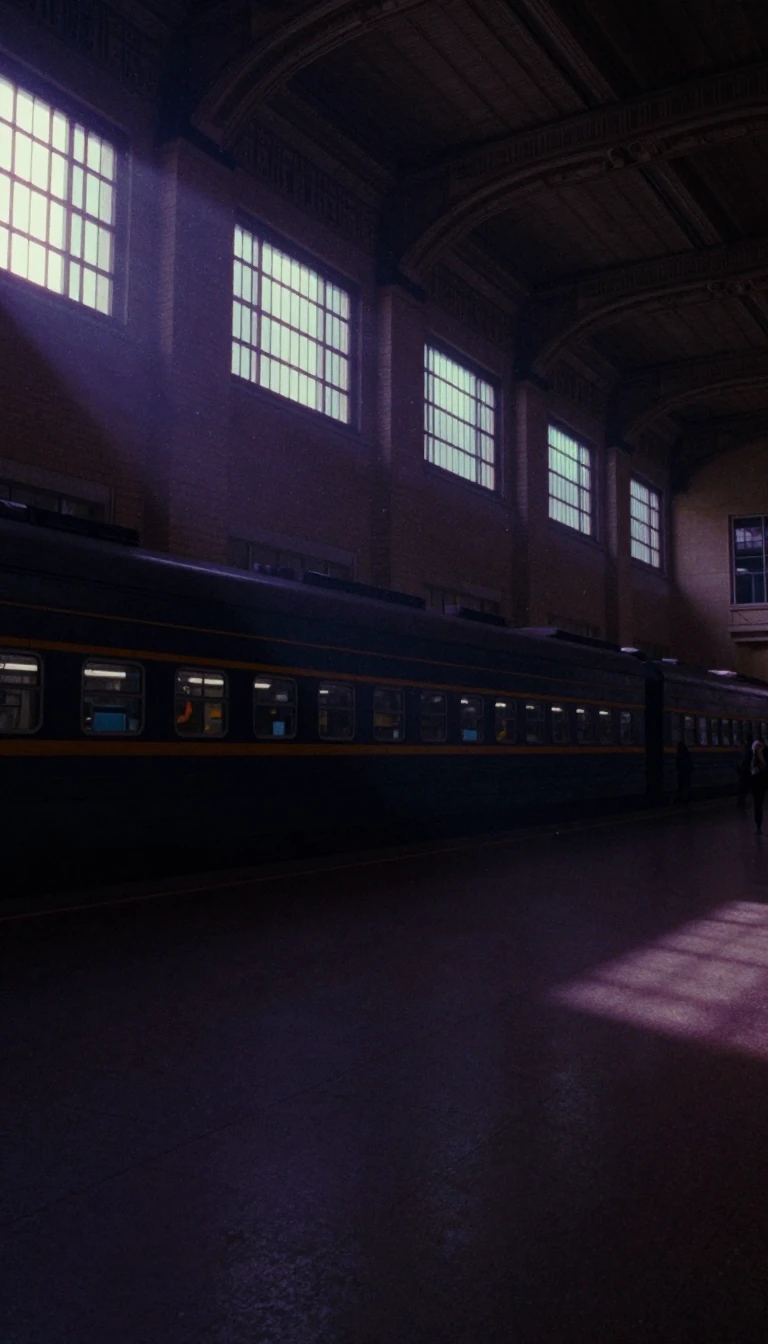
In short: For decades, rail safety relied heavily on crew compliance, leaving much to human error. Today, Positive Train Control (PTC) acts as a digital safeguard, monitoring movement authority to prevent collisions and derailments. However, new regulatory challenges are emerging as authorities seek to manage the delicate balance between automation and necessary maintenance.
Positive Train Control (PTC) is a suite of automatic protection systems designed to ensure trains move only within explicit, safe allowances. By monitoring a train's location and movement authority, these systems can automatically halt a train if it violates safety parameters. This technology is specifically designed to prevent accidents such as train-to-train collisions, over-speed derailments, incursions into work zones, and movements through improperly positioned switches. These systems function by checking that trains are moving safely and stopping them when they are not.
The push for widespread PTC implementation gained significant momentum following the September 12, 2008, collision between a Metrolink passenger train and a Union Pacific freight train in Los Angeles, which caused 25 deaths. In response, President George W. On 16 October 2008, Bush enacted the Rail Safety Improvement Act. By 29 December 2020, all legally mandated trackage had achieved full PTC installation. The legislation was supported by the Association of American Railroads. Furthermore, the law provides funding to assist with the development of this technology.
Currently, PTC systems govern nearly 59,000 route miles of PTC-mandated main lines. Despite this, the Federal Railroad Administration (FRA) is currently proposing new regulations to address temporary gaps. The agency has noted that existing rules do not adequately cover situations where technology is disabled for essential reasons, such as system initialization failures or necessary infrastructure upgrades and repairs. The proposed rules aim to establish strict parameters for safe operations during these temporary outages, ensuring that maintenance and system restoration do not compromise overall rail safety. The FRA is considering a 60-day period for public commentary on these proposed changes. This new oversight aims to improve rail safety by facilitating quicker system restoration and upgrades.
Opens the Intellect+ feed with this card first. Swipe up for the next one.
Sources
- Summary by Intellect · source: Federal Register :: Positive Train Control Systems
- Also: Positive train control
To cite this card, link to https://intellectplus.co.uk/app/health-positive-train-control.
How we source, check and correct cards: Editorial standards.
General information, not professional advice. Spotted an error? Flag the card or see corrections and complaints.
Intellect Plus is a visual educational discovery platform for exploring fascinating facts and ideas. Brain Food, Not Brain Rot. What is Intellect Plus?
Related
More in Future Frontier · More in Health · Latest · A–Z · All topics
