Can the mind bury trauma so deep that it becomes a false memory?
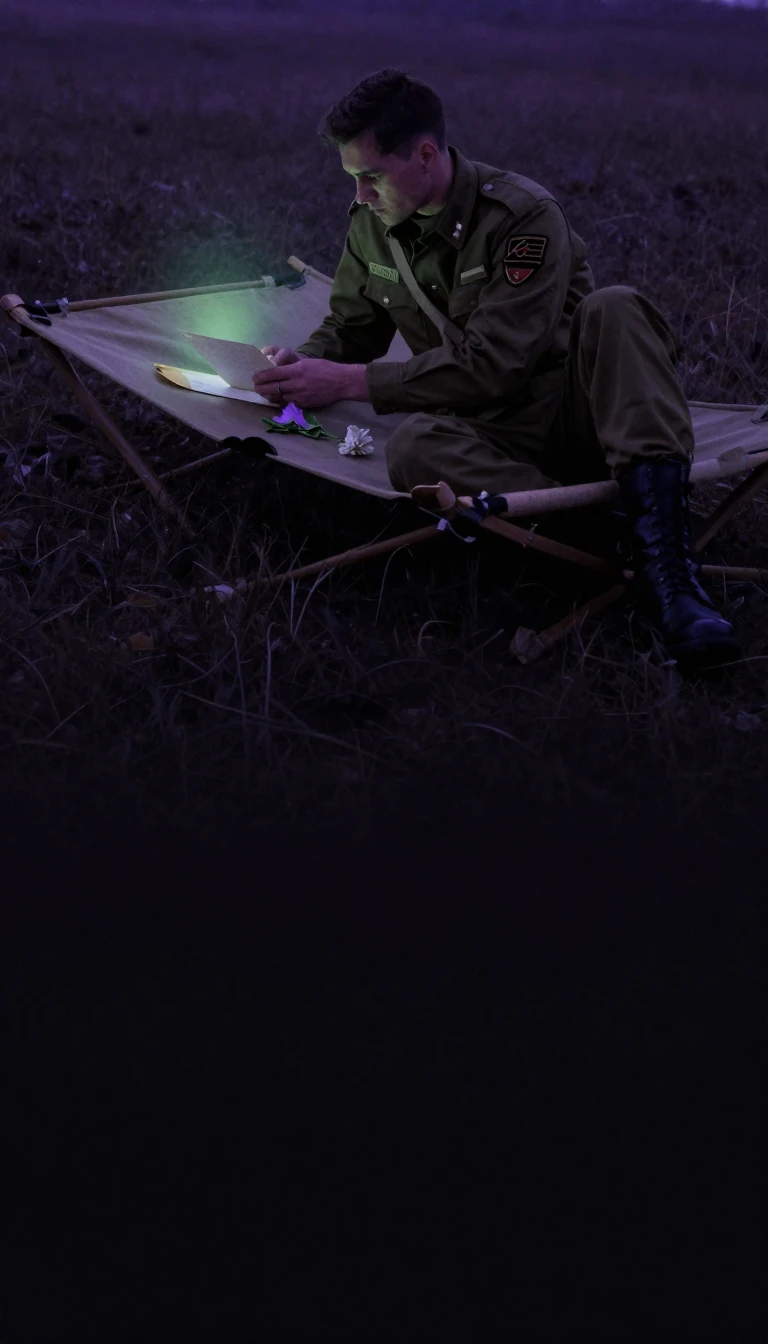
In short: Proponents of recovered-memory therapy claim traumatic events can be hidden in the subconscious, waiting to be unearthed. However, scientific evidence suggests these techniques often do the opposite, inadvertently planting entirely fictitious experiences in the minds of patients.
Recovered-memory therapy (RMT) utilizes unproven methods—including hypnosis, guided imagery, and even the use of substances like sodium amryptal—to help patients recall forgotten traumas. While popular culture often depicts the psyche as a vault capable of burying horrific abuse to protect the individual, scientific evidence does not support the idea that such memories are effectively repressed or inaccessible. In fact, professional mental health associations generally do not recommend RMT due to its lack of efficacy and potential for harm.
The danger lies in the suggestibility of the techniques used. Research by Elizabeth Loftus demonstrated that it is possible to implant false memories of childhood incidents, such as being lost in a shopping mall, by using a 'familial informant false narrative procedure.' This mechanism can lead patients to develop vivid, yet entirely fabricated, memories of events like sexual abuse or even alien abductions. The risk is so significant that the UK's Royal College of Psychiatrists has advised psychiatrists to avoid these memory recovery techniques entirely.
The consequences of RMT have moved from the therapy room to the courtroom. In the 1994 case of Ramona v. Isabella, a father was awarded $500,000 after proving a therapist had implanted false memories of abuse. Similarly, the state of Washington reported that RMT could leave patients' ability to function in daily life 'significantly and possibly irrevocably impaired.' While some legal circles still debate whether recovered memories should be treated as regular evidence, many experts, including the Dutch National Expert Group on Special Sexual Matters, warn that such allegations often lack reliable, corroborating evidence.
Opens the Intellect+ feed with this card first. Swipe up for the next one.
Sources
- Summary by Intellect · source: Recovered-memory therapy
To cite this card, link to https://intellectplus.co.uk/app/health-recovered-memory-therapy.
How we source, check and correct cards: Editorial standards.
General information, not professional advice. Spotted an error? Flag the card or see corrections and complaints.
Intellect Plus is a visual educational discovery platform for exploring fascinating facts and ideas. Brain Food, Not Brain Rot. What is Intellect Plus?
Related
More in Memory · More in Health · Latest · A–Z · All topics
