Is your memory a record of the past or a creative act of imagination?
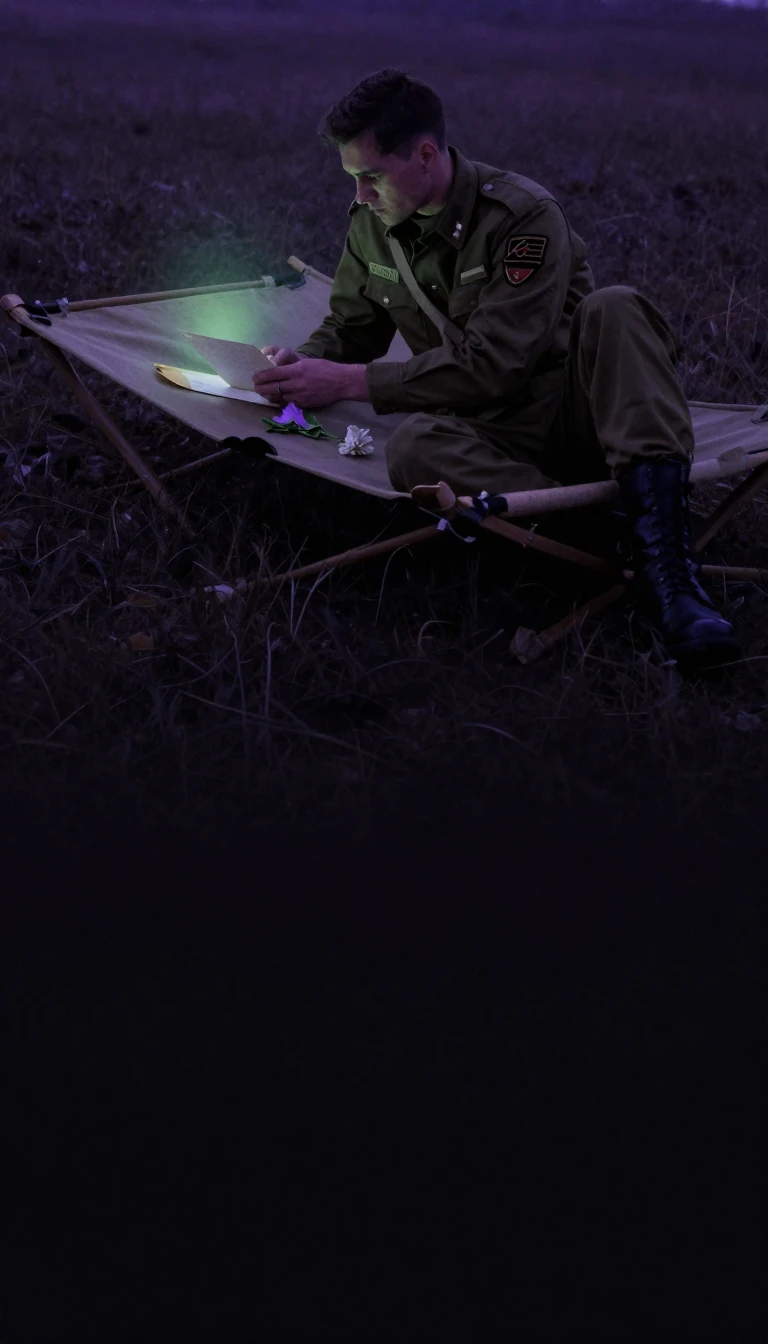
In short: Psychologist Elizabeth Loftus has spent decades demonstrating that human memory is not a faithful recording of reality. Through experiments involving car crashes and implanted childhood experiences, she argues that our recollections are malleable, easily distorted by suggestion, and frequently reconstructed long after the events we believe we are remembering have occurred.
Elizabeth Loftus, born in 1944, shifted her focus from laboratory research to the courtroom in the 1970s, eventually providing expert testimony in over 300 legal cases. Her early work on eyewitness reliability revealed how simple changes in phrasing—such as asking if cars 'hit' versus 'smashed' each other—could significantly alter a witness's estimated speed of an accident. These findings suggested that post-event information can cause a fundamental reconstruction of memory, a concept that became central to her career.
The 'Memory Wars' erupted as Loftus challenged the validity of recovered memories, particularly those emerging from psychotherapy. She famously utilized the 'lost in the mall' technique, where subjects were led to believe they had been lost as children, to show that false memories could be implanted. While Loftus and her supporters argue that there is no scientific basis for the repression of traumatic memories, critics like Bessel van der Kolk and Jennifer Freyd maintain that documented cases of delayed recall for genuine trauma exist. The debate highlights a deep divide in psychology regarding the nature of dissociative amnesia versus the potential for therapeutic suggestion to create entirely false narratives.
Loftus’s career has been marked by intense controversy, including death threats and investigations into her research protocols, such as the 1997 Jane Doe case. Despite this, she has received numerous accolades, including the 2005 Grawemeyer Award and the 2016 John Maddox Prize. Her work continues to challenge the legal and clinical reliance on memory, asserting that because human memory is inherently reconstructive, it is often unreliable as an objective record of historical fact.
Opens the Intellect+ feed with this card first. Swipe up for the next one.
Sources
- Summary by Intellect · source: Elizabeth Loftus
To cite this card, link to https://intellectplus.co.uk/app/science-elizabeth-loftus.
How we source, check and correct cards: Editorial standards.
General information, not professional advice. Spotted an error? Flag the card or see corrections and complaints.
Intellect Plus is a visual educational discovery platform for exploring fascinating facts and ideas. Brain Food, Not Brain Rot. What is Intellect Plus?
Related
More in Psychology · More in Ideas & Philosophy · Latest · A–Z · All topics
