Is your mind actively hiding secrets from your conscious awareness?
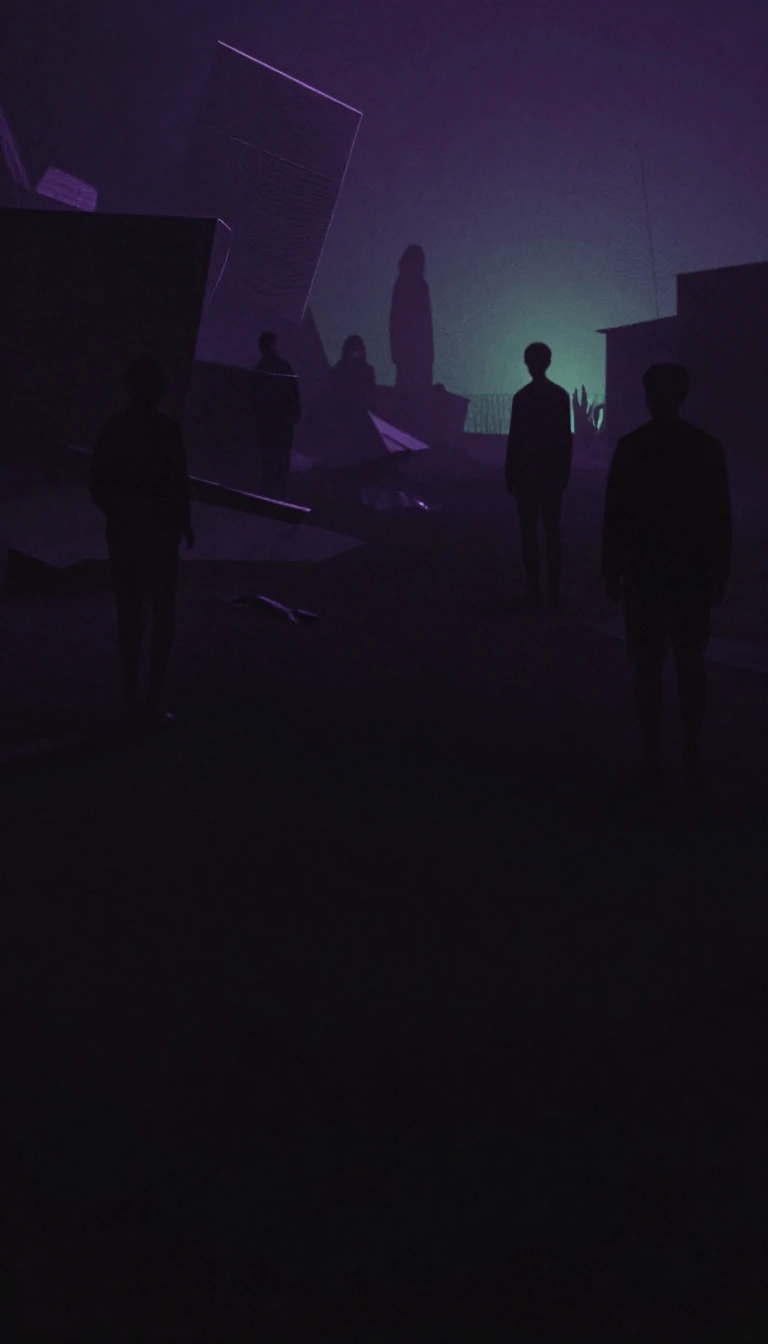
In short: Psychoanalysis suggests that the human mind isn't just a passive recorder of events; it is an active gatekeeper. Repression, Freud’s cornerstone theory, posits that our psyche deliberately pushes unacceptable experiences into the unconscious to shield us from intense anxiety. But how does this 'hiding' actually work?
Sigmund Freud identified repression as a fundamental psychic mechanism that prevents thoughts or memories causing significant anxiety from entering conscious awareness. He observed that patients often struggled intensely to recall past events, leading him to conclude there was a force compelling them to remain unconscious. While the term 'repression' was used earlier by Johann Friedrich Herbart in 1824 to describe competing ideas, Freud elevated it to a primary defense mechanism where the mind actively 'pushes' pathogenetic experiences out of sight.
Freud distinguished between two stages: primal repression and 'after-pressure.' Primal repression occurs when a child first realizes that acting on certain desires brings intense anxiety, leading them to deny those instincts. This is later internalized as the superego—the internal threat of punishment—which intercedes against the id's pleasure principle. When this pressure becomes overwhelming, it can manifest as neurosis, characterized by irrational or self-destructive behavior. In clinical practice, psychoanalysts act as 'mediators' to lift these barriers and reintroduce repressed aspects to conscious awareness.
The scientific validity of repression remains a point of significant debate. While some researchers have found that willful memory suppression can lead to decreased memory performance in people with repressive coping strategies (a 2020 meta-analysis), others argue the theory lacks testable observation. Philosophers like Jean-Paul Sartre argued there is no physical 'mechanism' for repression, while critics highlight the difficulty of distinguishing between genuine repressed memories and confabulations or false memories implanted through therapy.
Opens the Intellect+ feed with this card first. Swipe up for the next one.
Sources
- Summary by Intellect · source: Repression (psychoanalysis)
To cite this card, link to https://intellectplus.co.uk/app/health-repression-psychoanalysis.
How we source, check and correct cards: Editorial standards.
General information, not professional advice. Spotted an error? Flag the card or see corrections and complaints.
Intellect Plus is a visual educational discovery platform for exploring fascinating facts and ideas. Brain Food, Not Brain Rot. What is Intellect Plus?
Related
More in Memory · More in Health · Latest · A–Z · All topics
