The brain's internal switchboard: how we decide what actually matters
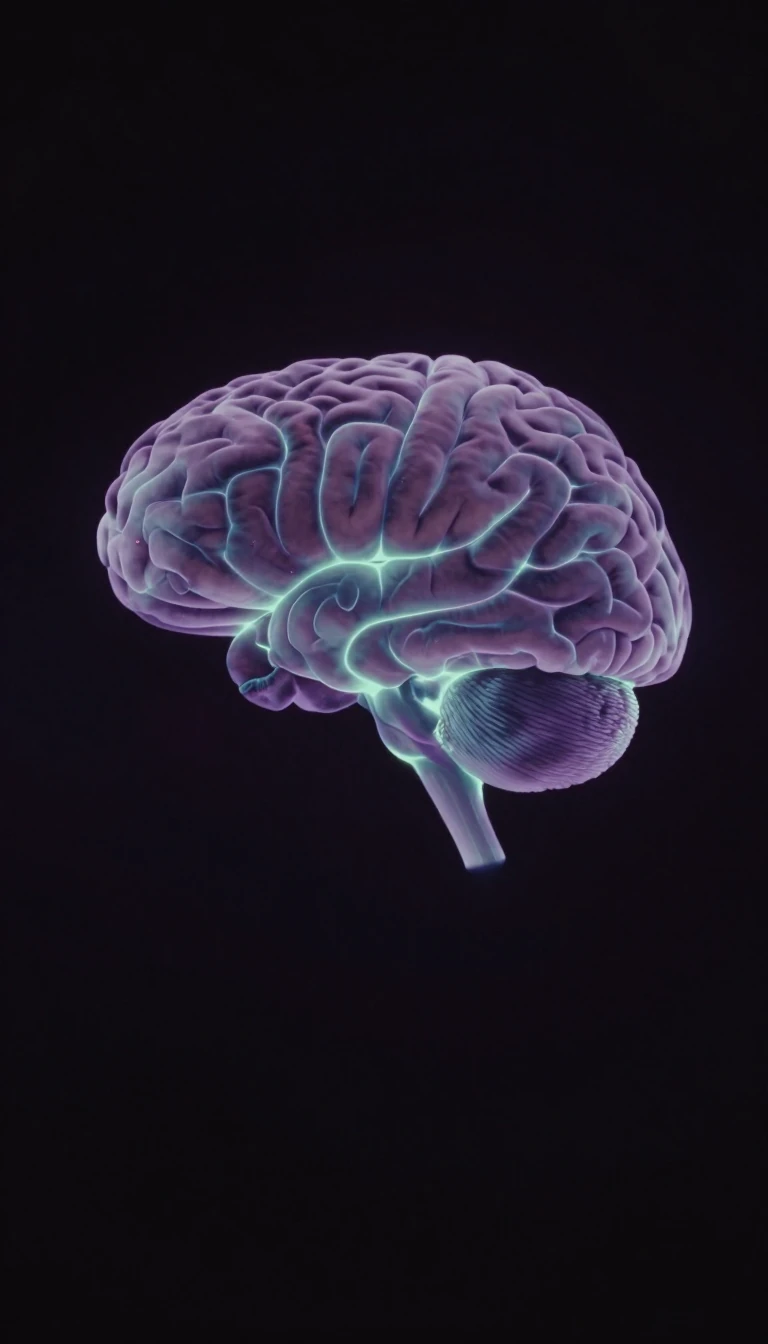
In short: How does your brain decide to ignore a passing car but react instantly to a sudden sharp pain? It relies on a specialized neural system designed to filter the chaos of the world, identifying which stimuli are important enough to demand your attention and action.
The salience network (SN) acts as a sophisticated biological filter, detecting and integrating sensory, emotional, and cognitive information. Its primary cortical hubs are the anterior insular cortex (aINS) and the anterior cingulate cortex (ACC). Rather than merely observing, this system likely regulates the transition from the DMN's internal cognitive processes to the CEN's external focus.
The mechanism of this 'switching' has been supported by Granger causality analysis and studies using transcranial magnetic stimulation. During tasks like the 'oddball task,' researchers have observed a specific sequence: a 'bottom-up' signal travels from sensory regions, followed by a 'top-down' signal localized to the AI and ACC, which then triggers widespread attentional shifting. Some hypotheses even suggest the anterior insula receives multimodal sensory input while the ACC facilitates motor output.
The network's influence penetrates far into the brain, encompassing parts of the thalamus, ventral striatum, hypothalamus, amygdala, and particular brainstem nuclei. It is also characterized by unique cellular components, such as von Economo neurons (VENs), which are large projection neurons thought to support social functioning. Because of this widespread connectivity, abnormalities in the SN are linked to various conditions. For instance, the AI node may be hyperactive in anxiety disorders, while in schizophrenia, structural and functional abnormalities may lead to excessive salience being assigned to internally generated stimuli. In frontotemporal dementia (FTD), atrophy in the ACC and anterior insular cortex is associated with the loss of social-emotional capacities and diminished responses to physical stressors like thirst or temperature extremes.
Opens the Intellect+ feed with this card first. Swipe up for the next one.
Sources
- Summary by Intellect · source: The Salience Network: A Neural System for Perceiving and Responding to Homeostatic Demands
- Also: Salience network
To cite this card, link to https://intellectplus.co.uk/app/health-salience-network.
How we source, check and correct cards: Editorial standards.
General information, not professional advice. Spotted an error? Flag the card or see corrections and complaints.
Intellect Plus is a visual educational discovery platform for exploring fascinating facts and ideas. Brain Food, Not Brain Rot. What is Intellect Plus?
Related
More in Brain · More in Health · Latest · A–Z · All topics
