The band that refused to be categorized by the Britpop era
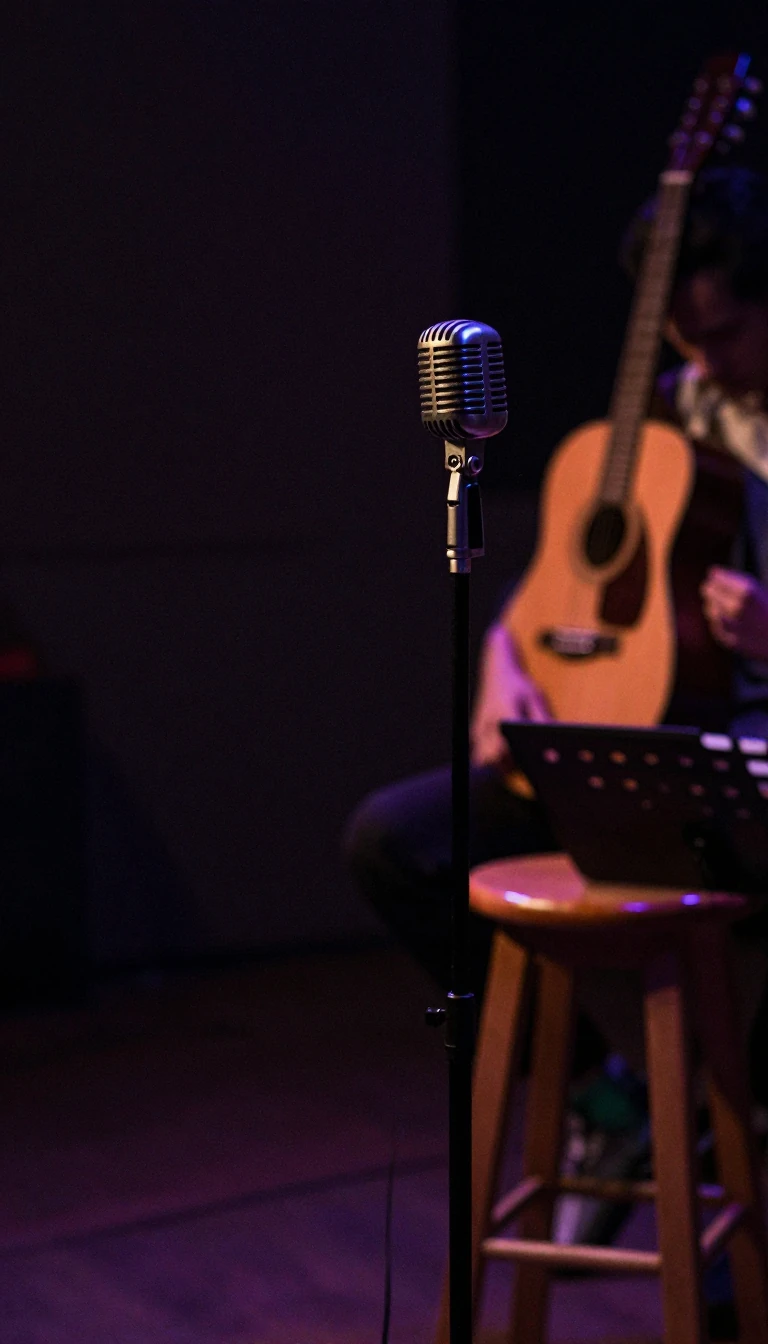
In short: While their contemporaries were busy reviving 1960s guitar pop, Space was building a 'queasy' sonic landscape of techno, hip hop, and film scores. They traded traditional authenticity for an eclectic, cinematic sound that prioritized democratic collaboration over marketable genre boundaries.
Formed in Liverpool in 1992, Space established a distinct identity by embracing what critics called 'queasy listening.' Unlike the 'retro-gazing' characteristic of the Britpop movement, which frequently saw bands like Blur and Oasis looking backward, Space leaned into electronica, sampling, and state-of-the-art recording techniques. Their sound was a deliberate byproduct of internal differences in taste among band members, blending genres as diverse as ska, lounge music, easy listening, and even film scores.
The group's creative process was notably democratic. Frontman Tommy Scott would provide a foundational song structure, but he allowed other members to layer their specific influences on top. For example, keyboardist Franny Griffiths contributed 1980s techno influences, while guitarist Jamie Murphy leaned toward Led Zeppelin-style rock. This collaborative friction ensured that the band's dynamics shifted constantly with different line-ups, ranging from 'trip-hop' textures to a raw, punk edge.
Beyond their music, Space was defined by a tongue-in-cheek, dark sense of humor. Their lyrics often explored social outcasts, mental illness, and serial killers, frequently inspired by cinema rather than other musicians. Scott famously noted that his songwriting motivation shifted depending on the films he watched—ranging from the sophisticated style of Noël Coward to the gritty violence of Quentin Tarantino. This commitment to 'quirky originality' allowed them to maintain a devoted cult following even when their eclectic nature polarized mainstream critics.
Significant peaks and troughs define the group's past, notably when their initial two records, Spiders (1996) and Tin Planet (1998), reached platinum status within the UK. However, they also faced internal turmoil, such as a 1997 US tour where members suffered from homesickness and nervous breakdowns. Despite disbanding in 2005 due to low sales and financial difficulties, the group has remained active through various incarnations, with their eighth album, Ten Neurotic Fairytales, scheduled for release in early 2027.
Opens the Intellect+ feed with this card first. Swipe up for the next one.
Sources
- Summary by Intellect · source: Space (English band)
To cite this card, link to https://intellectplus.co.uk/app/health-space-english-band.
How we source, check and correct cards: Editorial standards.
General information, not professional advice. Spotted an error? Flag the card or see corrections and complaints.
Intellect Plus is a visual educational discovery platform for exploring fascinating facts and ideas. Brain Food, Not Brain Rot. What is Intellect Plus?
Related
More in Music · Latest · A–Z · All topics
