When the recording studio stops being a room and becomes an instrument
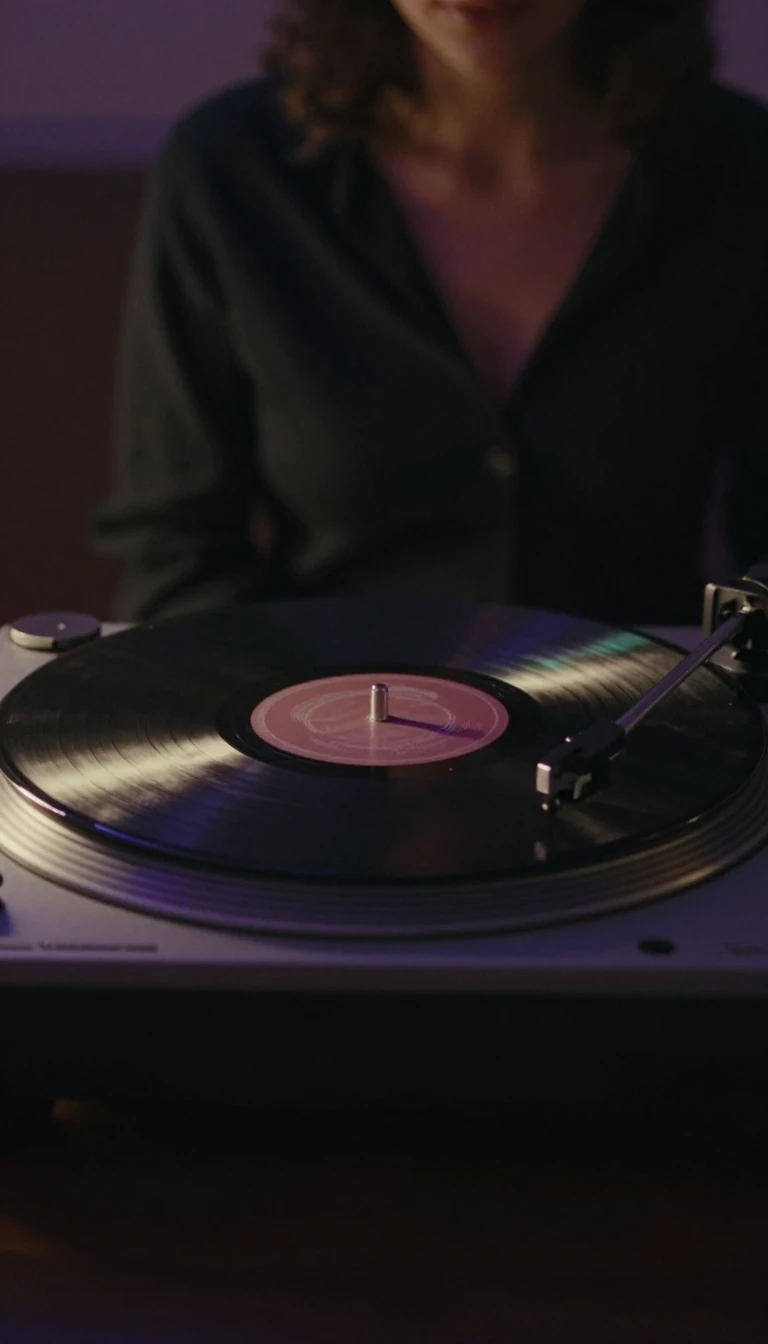
In short: For decades, studios were merely places to capture live performances. Then, technology shifted the goal from documentation to creation. By treating the studio as a musical instrument, artists began using tape edits, signal processing, and non-musical sounds to build compositions that could never exist in a live setting.
The shift toward 'playing the studio' began in earnest during the mid-1950s with the advent of three-track tape recorders. Before this, recordings were intended to be faithful renditions of real-life performances. However, the malleability of tape—which could be cut, reversed, and spliced—allowed for 'in-studio composition,' where writing and production occur concurrently. This era saw pioneers like Bill Putnam introduce artificial reverb as an artistic choice in 1947, and Les Paul popularize overdubbing in the 1950s.
By the 1960s, the studio became a laboratory for radical experimentation. Joe Meek began using dynamic range compression and close-miking in 1955, while Phil Spector developed his 'Wall of Sound' by doubling and tripling instruments to create a rich, artificial density. The Beatles and Brian Wilson further revolutionized the medium; Wilson's 1966 track "Good Vibrations" used tape splicing to assemble interchangeable 'modules,' while the Beatles' 1967 "Sgt. Pepper's Lonely Hearts Club Band" is often cited as the epitome of the studio as a compositional tool.
In the 21st century, this concept remains ubiquitous in pop, hip-hop, and electronic music. While early pioneers like Brian Wilson 'orchestrated' the people in the room, modern approaches—championed by figures like Brian Eno and Kraftwerk—focus on 'working the systems.' This shift highlights a move toward using technology to create complex soundscapes where the studio's capabilities, rather than just the performers' live skills, define the final work.
Opens the Intellect+ feed with this card first. Swipe up for the next one.
Sources
- Summary by Intellect · source: Recording studio as an instrument
- Also: Frontiers in psychology — Eye gaze in live-electronic music performance: visual information and looking-listening interplay. · CC BY
To cite this card, link to https://intellectplus.co.uk/app/health-recording-studio-as-an-instrument.
How we source, check and correct cards: Editorial standards.
General information, not professional advice. Spotted an error? Flag the card or see corrections and complaints.
Intellect Plus is a visual educational discovery platform for exploring fascinating facts and ideas. Brain Food, Not Brain Rot. What is Intellect Plus?
Related
More in Music · Latest · A–Z · All topics
