The biological paradox of survival: how starvation fuels longevity and obesity
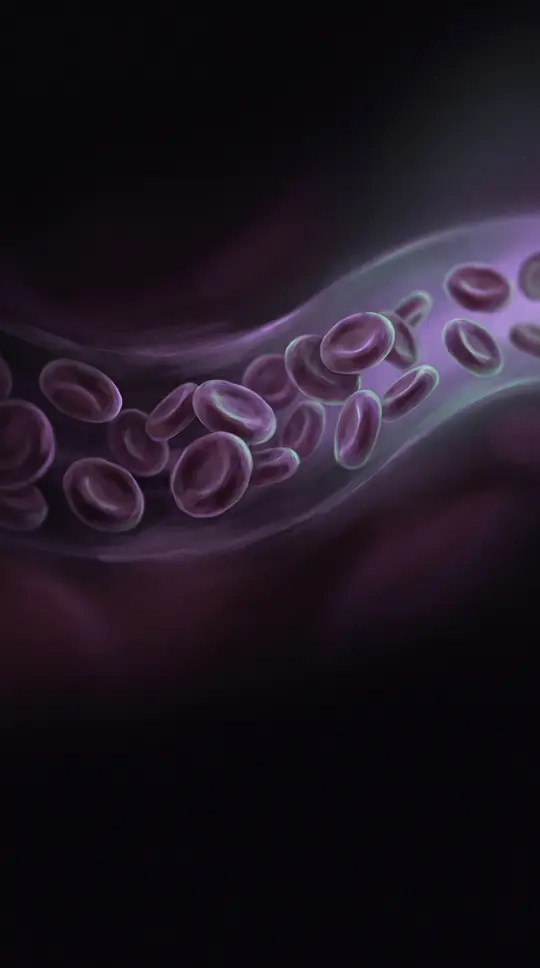
In short: Our ancestors survived famines by triggering a sophisticated metabolic shift. Today, those same survival pathways may be driving the modern obesity epidemic. By switching from burning glucose to burning fat, the body protects its vital organs, but this ancient adaptation creates a complex tension between survival and modern health.
The human starvation response is an evolutionary masterpiece of metabolic flexibility. When calories are scarce, the body undergoes a coordinated transition to preserve life. Initially, the body relies on glycogenolysis—breaking down glycogen stores in the liver and muscles—and the consumption of gluconeogenic amino acids. However, by the second or third day of a fast, a critical shift occurs: the body begins to release nonesterified fatty acids from lipid stores. This transition to lipid metabolism is essential for 'protein sparing,' a mechanism that prevents the body from breaking down muscle tissue too rapidly for fuel.
Recent longitudinal research on humans undergoing a 10-day, 0-calorie fast reveals the granular details of this shift. Researchers identified a preferential release of unsaturated fatty acids and a significant change in plasma lipid species. A key driver of this transition appears to be acute, starvation-mediated hypoleptinemia. While rodent models suggest this hormone drop activates the hypothalamic-pituitary-adrenal (HPA) axis to drive lipolysis, human data confirms that these metabolic shifts are systemic and profound, with 351 metabolites significantly deviating from baseline during a fast.
The 'paradox' lies in the context of modern nutrition. The same pathways that may promote longevity during caloric restriction can contribute to obesity when activated in a state of nutrient excess. Because these responses are conserved across diverse species, they represent a fundamental biological blueprint. Understanding the nuances of how the body switches fuels—specifically the move from glucose to lipids—offers a window into both the mechanisms of metabolic diseases and the potential for extending human lifespan.
Opens the Intellect+ feed with this card first. Swipe up for the next one.
Sources
- Summary by Intellect · source: The circulating metabolome of human starvation
- Also: Starvation response
To cite this card, link to https://intellectplus.co.uk/app/health-starvation-response.
How we source, check and correct cards: Editorial standards.
General information, not professional advice. Spotted an error? Flag the card or see corrections and complaints.
Intellect Plus is a visual educational discovery platform for exploring fascinating facts and ideas. Brain Food, Not Brain Rot. What is Intellect Plus?
Related
More in Epidemiology · More in Health · Latest · A–Z · All topics
