The repetitive motions of captive animals are more than just bad habits
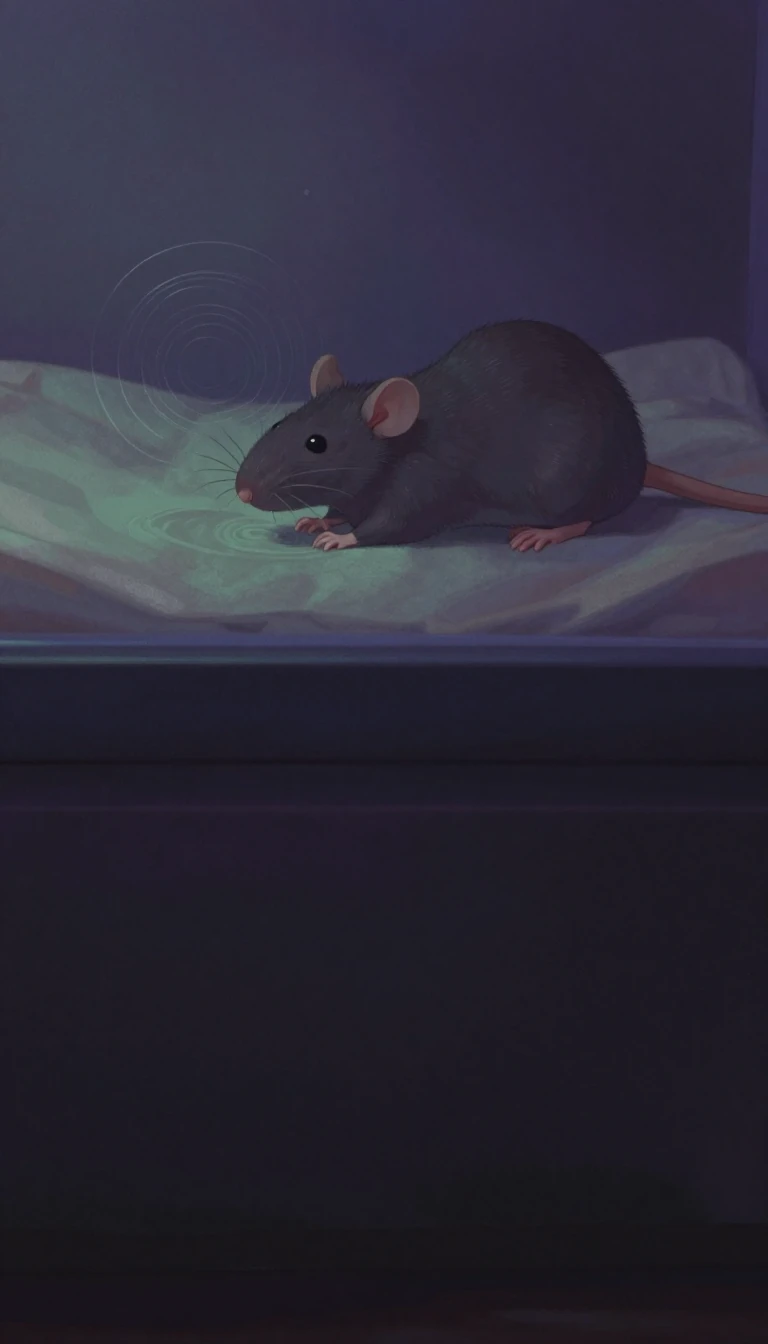
In short: Pacing, rocking, and chewing cage bars are often dismissed as mere boredom. Yet, these repetitive, goal-less behaviors—known as stereotypies—may actually signal profound neurological changes and an environment that fails to meet fundamental biological needs. These actions often serve as indicators of an abnormal or highly restricted habitat.
In animal behavior, a stereotypy is defined as a group of repetitive, morphologically identical behaviors that lack an obvious function or goal. While some repetitive movements are natural, such as the mechanical constraints of a viper's skull or mammalian chewing cycles, 'abnormal' stereotypies arise specifically in response to environmental stressors. These include barren habitats, social deprivation, or restricted feeding schedules. Rather than simply being 'abnormal,' scientists suggest these actions are indicators of an abnormal environment.
The development of these behaviors often follows a predictable path of habit formation. In mice, for example, exploratory sniffing at the edge of a cage can gradually transition into wire-gnawing as the frequency of sniffing decreases. Once established, these behaviors can become incredibly difficult to interrupt. This persistence is linked to the basal ganglia; research in humans and bank voles suggests that dysfunction in this brain region can make it difficult to switch between motor tasks, effectively locking an animal into a repetitive loop.
The consequences of these behaviors are significant for animal welfare. In zoos, up to 54% of elephants display stereotypies, while giraffes may predominantly lick inanimate objects due to foraging limitations. In horses, these 'stable vices' can cause physical damage to facilities and the animals themselves. While environmental enrichment—such as introducing new scents, sounds, or social companions—can reduce these behaviors, the changes to the brain can sometimes make the habit impossible to eliminate once it has fully set in.
Opens the Intellect+ feed with this card first. Swipe up for the next one.
Sources
- Summary by Intellect · source: Stereotypy (non-human)
To cite this card, link to https://intellectplus.co.uk/app/health-stereotypy-non-human.
How we source, check and correct cards: Editorial standards.
General information, not professional advice. Spotted an error? Flag the card or see corrections and complaints.
Intellect Plus is a visual educational discovery platform for exploring fascinating facts and ideas. Brain Food, Not Brain Rot. What is Intellect Plus?
Related
More in Epidemiology · More in Health · Latest · A–Z · All topics
