Why giving your body just a piece of a virus works
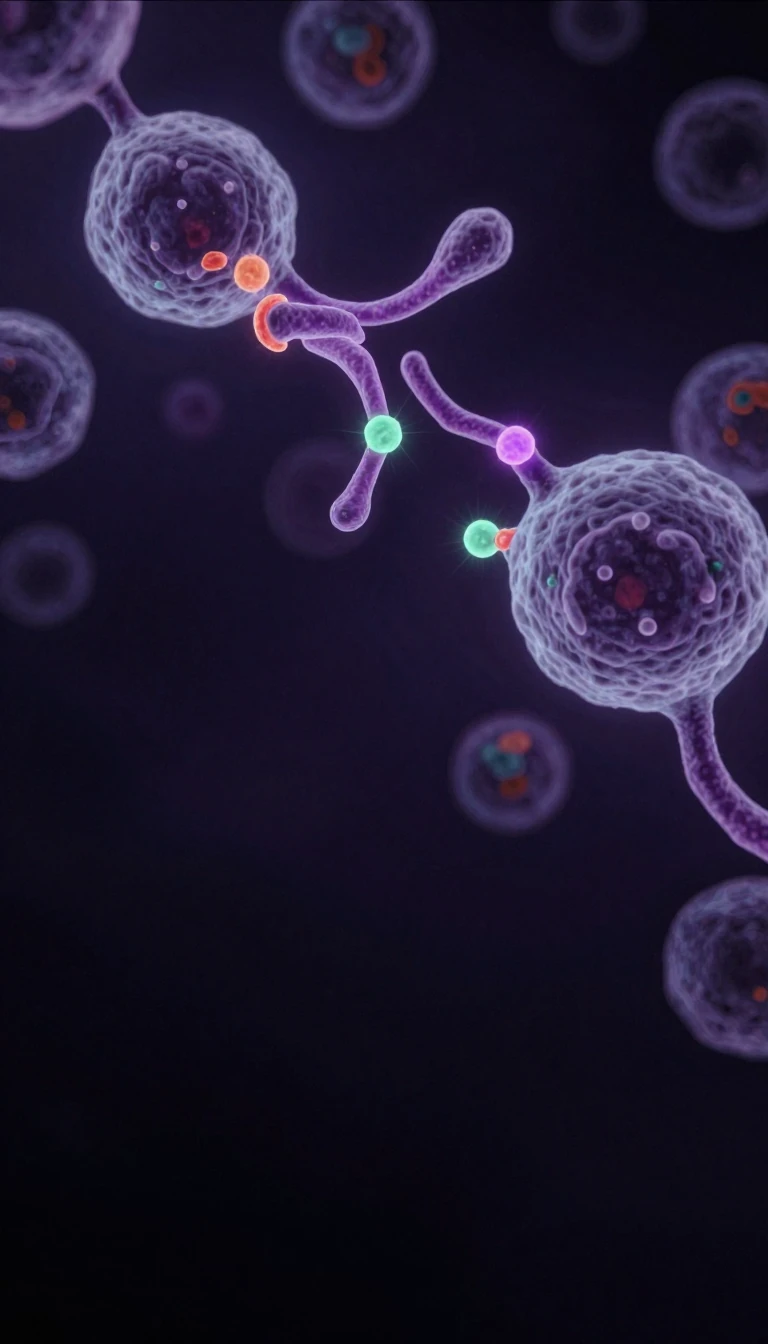
In short: Most vaccines use weakened or killed pathogens to teach the immune system how to fight. Subunit vaccines take a different approach: they strip away everything except the specific proteins or sugars that trigger an immune response. By providing only these targeted pieces, they offer protection without any risk of causing the actual disease.
Subunit vaccines are engineered to be highly specific. Instead of introducing a whole pathogen—which can be complex and potentially risky—these vaccines contain purified antigenic parts, such as proteins, polysaccharides, or peptides. Because they lack 'live' components, there is no risk of the vaccine itself causing the disease it aims to prevent. This makes them particularly suitable for immunocompromised individuals who might not tolerate live-attenuated options.
The mechanism relies on active immunization. When injected, these specific antigens stimulate the body's own immune system to produce antibodies and lymphocytes. A key feature of this process is the development of immunologic memory, which allows the body to respond faster and stronger if it encounters the real pathogen later. For example, some vaccines for influenza and hepatitis B utilize this subunit technology to build long-lasting resistance.
While safer and more stable than whole-pathogen vaccines, subunit vaccines can be complex to manufacture. They often require careful selection of which antigenic combinations will work best and may need adjuvants or booster shots to maximize effectiveness. Poultry studies showed a new subunit vaccine for avian metapneumovirus (aMPV) subtype B could work, as it triggered 100% seroconversion within 14 days; furthermore, neutralizing antibody levels reached 8-fold and 16-fold increases following initial shots and boosters respectively when measured against live vaccines.
The technology has been well-established for decades. During the mid-1980s, Hepatitis B protection was first achieved via a recombinant subunit vaccine. Today, this approach is used for several major diseases, including Human Papillomavirus (HPV), Herpes zoster, and COVID-19.
Opens the Intellect+ feed with this card first. Swipe up for the next one.
Sources
- Summary by Intellect · source: Subunit vaccine | vaccine | Britannica
- Also: Subunit vaccine
To cite this card, link to https://intellectplus.co.uk/app/health-subunit-vaccine.
How we source, check and correct cards: Editorial standards.
General information, not professional advice. Spotted an error? Flag the card or see corrections and complaints.
Intellect Plus is a visual educational discovery platform for exploring fascinating facts and ideas. Brain Food, Not Brain Rot. What is Intellect Plus?
Related
More in Vaccines · More in Health · Latest · A–Z · All topics
