The brain produces its own version of the active ingredient found in cannabis plants.
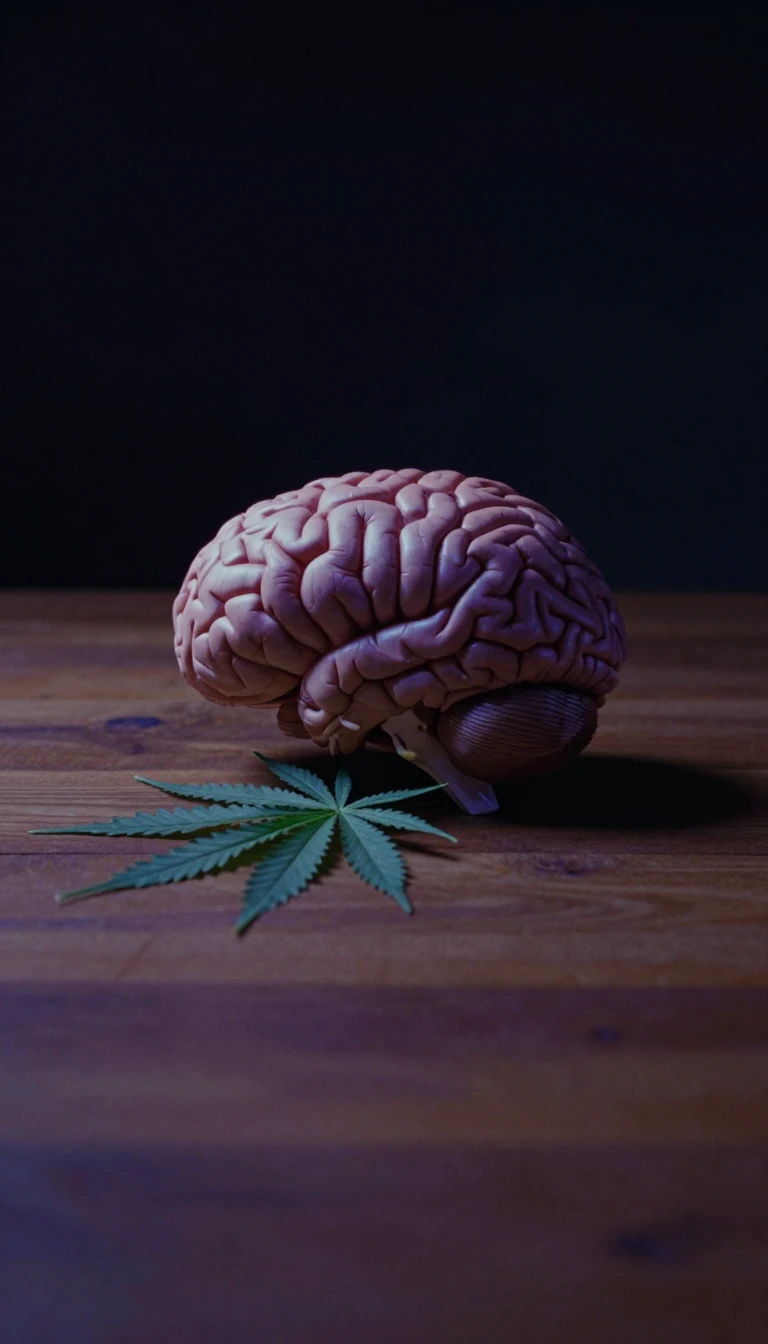
In short: Tetrahydrocannabinol, or THC, is the primary psychoactive component of cannabis. While often associated with recreational use, its discovery in the 1960s revealed that humans possess specialized receptors for these compounds. This suggests our own brains naturally synthesize similar substances to regulate functions like mood, pain, and memory.
THC was first isolated and synthesized in 1965, a milestone that accelerated scientific investigation into its effects. Researchers later discovered that the human brain contains specific docking sites for THC-related chemicals, known as cannabinoid receptors. This finding led to the identification of anandamide, an endogenous substance named after the Sanskrit word for bliss, which naturally mimics some of the functions of plant-derived THC.
The psychoactive properties of THC arise when it binds to CB1 and CB2 receptors. By interacting with these sites, THC influences the central nervous system and immune cells, often resulting in altered perceptions of time, space, and mood. While users may experience euphoria, the compound can also trigger anxiety, paranoia, or temporary memory impairment. Because THC is lipophilic, it binds readily to fat tissues, which contributes to its complex profile within the body.
Medical interest in THC has grown significantly since the late 20th century. It is currently utilized to manage chemotherapy-induced nausea and vomiting, as well as to alleviate muscle pain associated with conditions like multiple sclerosis. Despite these therapeutic applications, clinical evidence remains variable. Some studies on nutritional outcomes for cancer patients have yielded inconsistent results, highlighting the need for more rigorous research to determine optimal dosing and long-term safety for specific patient populations.
The legal status of THC and cannabis has shifted dramatically over recent decades. Following international controls established in 1925, many nations imposed strict penalties for possession. However, starting in the 1970s, various jurisdictions began decriminalizing small amounts or legalizing medicinal use. By 2022, recreational use was legal in 19 U.S. states, reflecting a broader global trend toward reevaluating the social and medical impact of this potent compound.
Opens the Intellect+ feed with this card first. Swipe up for the next one.
Sources
- Summary by Intellect · source: Tetrahydrocannabinol (THC) | Marijuana, Cannabis, Effects, Uses, & Facts | Britannica
- Also: Tetrahydrocannabinol
To cite this card, link to https://intellectplus.co.uk/app/health-tetrahydrocannabinol.
How we source, check and correct cards: Editorial standards.
General information, not professional advice. Spotted an error? Flag the card or see corrections and complaints.
Intellect Plus is a visual educational discovery platform for exploring fascinating facts and ideas. Brain Food, Not Brain Rot. What is Intellect Plus?
Related
More in Health, medicine and disease · More in Health · Latest · A–Z · All topics
