Beyond the limbs, your torso is the biological engine room of human survival.
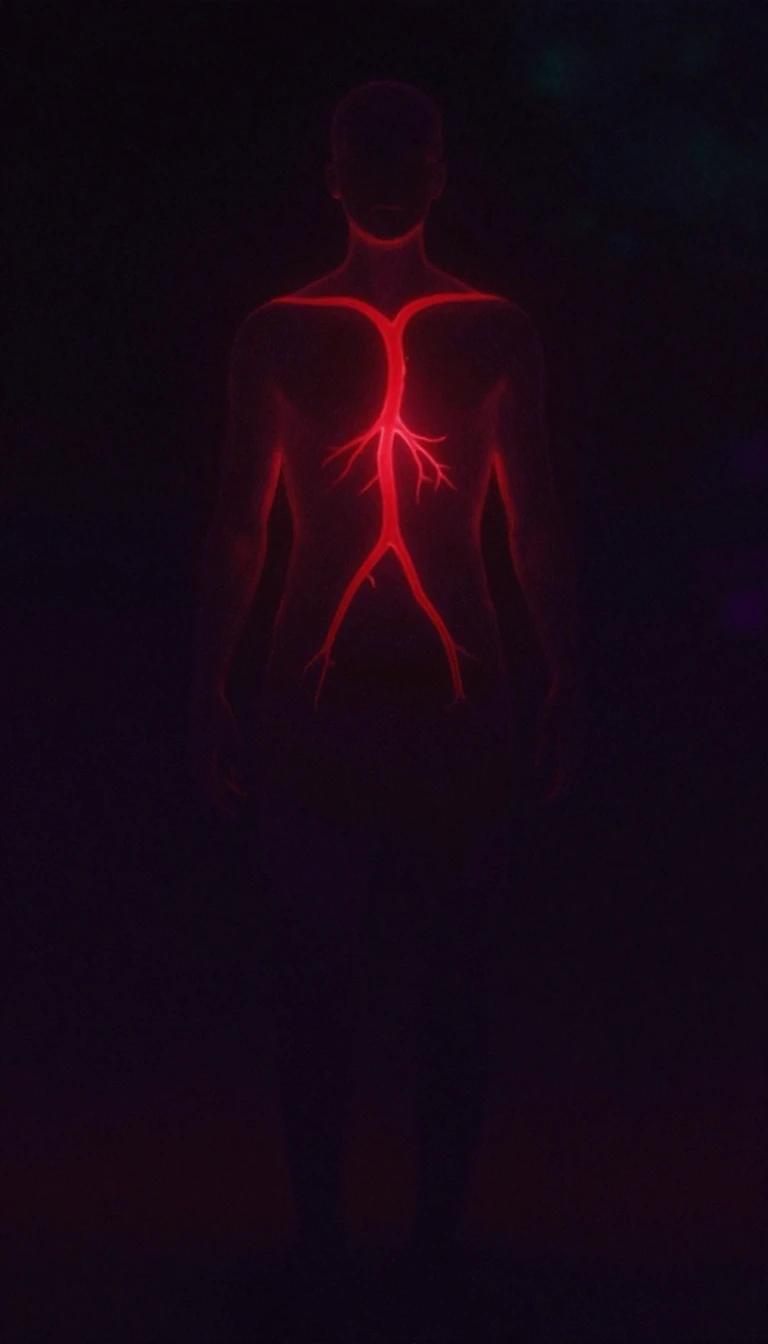
In short: The torso is more than just a central anchor for your head and limbs. It is a complex, segmented vessel housing nearly every critical organ required for life. From the rib cage protecting your heart to the intricate muscular systems supporting your posture, your trunk is a marvel of biological engineering.
The human torso, or trunk, serves as the central core from which the head, neck, and all four limbs extend. Anatomically, it is divided into distinct segments: the upper torso, or thorax, and the lower regions comprising the abdomen, pelvis, and perineum. This structure acts as a protective housing for vital organs. While the brain remains external to this region, the heart and lungs are shielded by the bony framework of the rib cage, which includes the sternum and thoracic vertebrae.
The abdomen functions as the primary site for digestion and waste management. It contains the stomach, liver, gallbladder, intestines, and the urinary system, including the kidneys, ureters, and bladder. Additionally, the pelvic region houses the reproductive organs. These internal systems are supported by major muscle groups—such as the abdominal, pectoral, and epaxial muscles—which not only facilitate movement and breathing but also provide essential support for the viscera, a task that became more complex as humans transitioned to an upright posture.
Beyond its structural role, the torso is a source of significant physiological activity that can interfere with sensitive measurements. Every heartbeat generates an electromagnetic field that propagates through the body's diamagnetic tissue. This cardiac field is so powerful that it can overshadow brain activity in neuroimaging studies like MEG. Researchers now use the spatial relationship between the heart and head to model and correct for this 'cardiac field artefact,' proving that the torso's internal rhythm is a constant, measurable presence that influences how we observe the brain itself.
The coordination of these systems is managed by an extensive network of nerves originating from the thoracic and lumbar spinal cord, supplemented by the vagus nerve. This intricate wiring ensures that the torso remains a self-regulating, highly protected environment. Whether supporting the weight of an upright body or housing the machinery of digestion, the trunk remains the fundamental architecture of the vertebrate form.
Opens the Intellect+ feed with this card first. Swipe up for the next one.
Sources
- Summary by Intellect · source: Torso
- Also: Model-based cardiac field artefact correction for OP-MEG.
- Also: Torso | anatomy | Britannica
To cite this card, link to https://intellectplus.co.uk/app/health-torso.
How we source, check and correct cards: Editorial standards.
General information, not professional advice. Spotted an error? Flag the card or see corrections and complaints.
Intellect Plus is a visual educational discovery platform for exploring fascinating facts and ideas. Brain Food, Not Brain Rot. What is Intellect Plus?
Related
More in Anatomy and morphology · More in Health · Latest · A–Z · All topics
