The president who refused security met a violent end in Buffalo
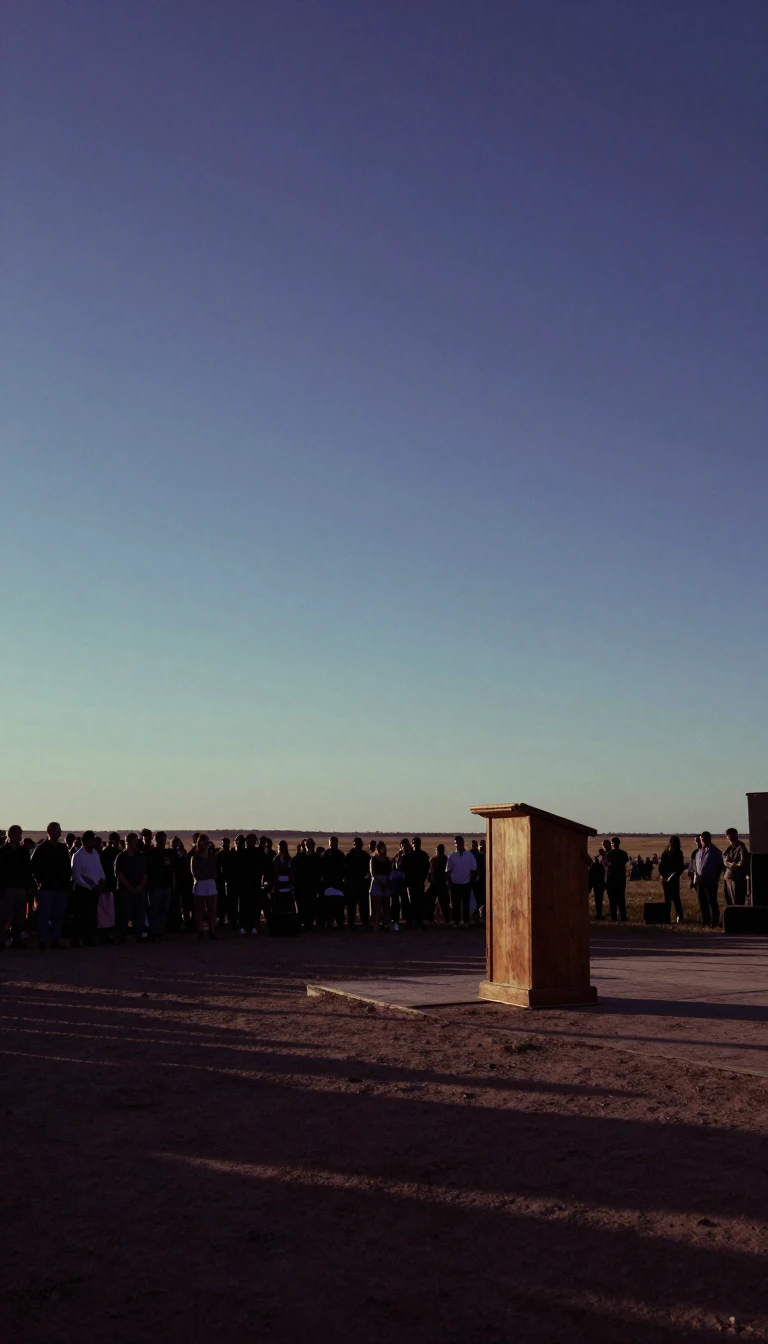
In short: William McKinley was the architect of American imperialism, leading the nation into a global empire and a period of industrial prosperity. Yet, his presidency was cut short by a single man’s radical ideology. McKinley’s preference for public connection over personal safety created a fatal opening for an anarchist's strike.
In September 1901, William McKinley was at the zenith of his political power. Having won a decisive victory over William Jennings Bryan in 1896, he presided over a nation transitioning into a global power. His administration oversaw the Spanish–American War in 1898, which resulted in the acquisition of Puerto Rico, Guam, and the Philippines. Domestically, he was celebrated as the 'advance agent of prosperity,' championing the gold standard and high protective tariffs like the Dingley Tariff of 1897 to support American manufacturers.
Despite his status, McKinley maintained a personal style that prioritized accessibility. He famously enjoyed meeting the public and was often reluctant to accept the security measures available to the presidency. This personal preference became a point of contention with his Secretary, George B. Cortelyou, who twice attempted to remove a visit to the Temple of Music from the schedule due to assassination fears. McKinley insisted on keeping it, leading to the fatal encounter on September 6, 1901, at the Pan-American Exposition in Buffalo, New York.
The assassin, Leon Czolgosz, was a man driven by the economic despair of the Panic of 1893. After losing his factory job in a labor dispute, Czolgosz radicalized into anarchism, viewing McKinley as a symbol of oppression. While one bullet grazed the president, another entered his abdomen. Though doctors initially believed he would survive, the wound became gangrenous, leading to his death on September 14. The event prompted Congress to officially charge the Secret Service with presidential protection, fundamentally altering the mechanics of executive security.
McKinley's death was a seismic shift in American history. He was succeeded by Theodore Roosevelt, who had been strategically placed as his running mate in 1900 to sideline other political rivals. The assassination ended a period of perceived peace and prosperity, marking a transition into a new era of American leadership and security protocols.
Opens the Intellect+ feed with this card first. Swipe up for the next one.
Sources
- Summary by Intellect · source: William McKinley | Biography, Presidency, Assassination, & Facts | Britannica
- Also: Assassination of William McKinley
- Also: Research Guides: William McKinley Assassination: Topics in Chronicling America: Introduction
To cite this card, link to https://intellectplus.co.uk/app/history-assassination-of-william-mckinley.
How we source, check and correct cards: Editorial standards.
General information, not professional advice. Spotted an error? Flag the card or see corrections and complaints.
Intellect Plus is a visual educational discovery platform for exploring fascinating facts and ideas. Brain Food, Not Brain Rot. What is Intellect Plus?
Related
More in Post-classical · More in History · Latest · A–Z · All topics
