Did a rogue general's sinking of a battleship change the future of modern warfare?
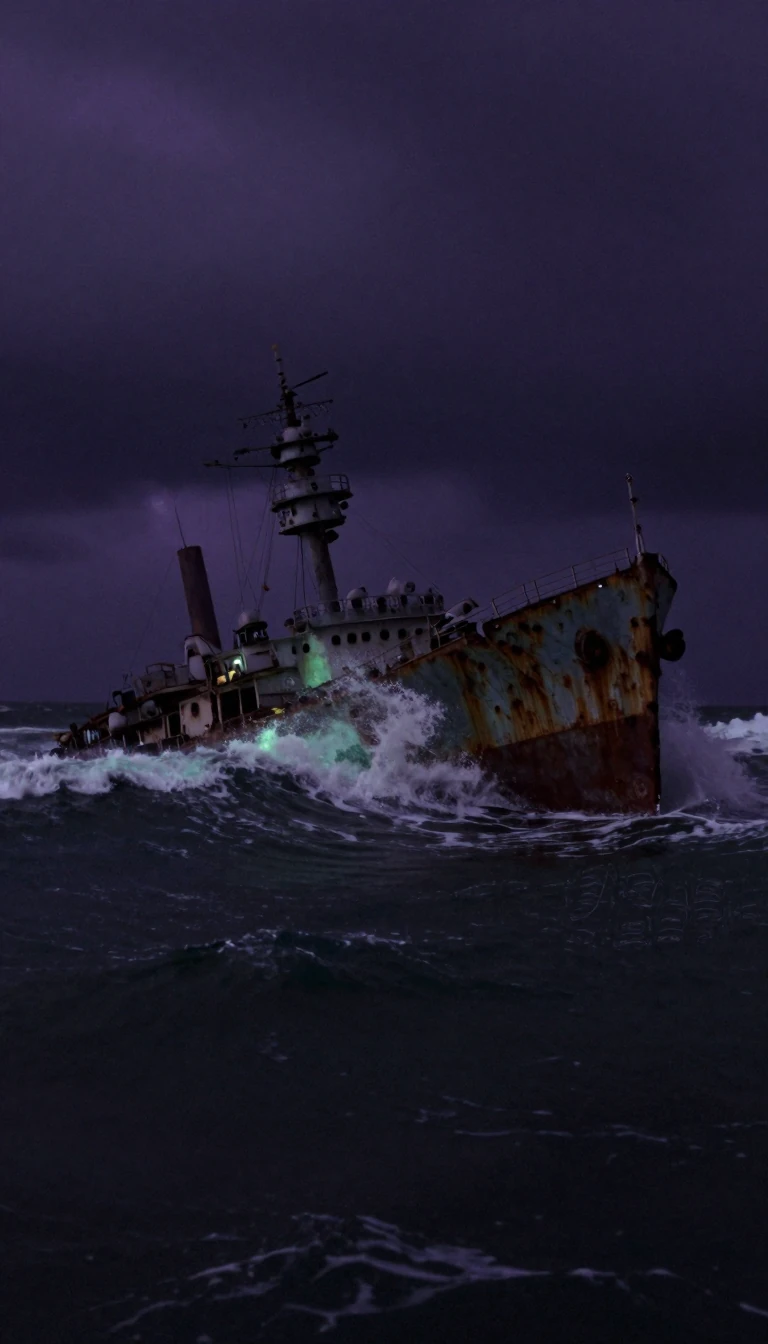
In short: Billy Mitchell, a flamboyant American air power advocate, famously claimed bombers could destroy any battleship. In 1921, he orchestrated a controversial demonstration to prove it. By sinking a captured German dreadnought, he forced the military to confront the reality that the age of surface-dominated naval warfare was ending.
William Lendrum Mitchell, a decorated World War I commander, returned to the United States convinced that air power would dictate the outcome of future conflicts. He argued that the traditional reliance on massive battleships was obsolete, proposing instead that a fleet of bombers could defend coastlines more effectively and economically. Mitchell famously calculated that a thousand bombers could be constructed for the price of a single battleship, creating a strategic shift that threatened the established hierarchy of the Army and Navy.
Tensions peaked in 1921 during Project B, a series of joint exercises designed to test Mitchell's theories against surplus ships. The Navy, skeptical and protective of its budget, imposed strict conditions, including requiring ships to be sunk in deep water and limiting the size of munitions. Despite these constraints, Mitchell's 1st Provisional Air Brigade successfully sank the ex-German battleship Ostfriesland on July 21, 1921. By utilizing near-miss tactics that relied on underwater concussive pressure to rip hull plates, Mitchell proved that even the most formidable vessels were vulnerable to aerial bombardment.
The demonstration was not without controversy. Critics, including General John J. Pershing, downplayed the results, noting that the tests occurred under static, artificial conditions that ignored the potential for damage control on an active warship. Mitchell's persistent insubordination and public attacks on military leadership eventually led to his 1925 court-martial and resignation. While the efficacy of his specific tests remains a subject of historical debate, Mitchell's influence was undeniable. His aggressive advocacy forced the Navy to reconsider its reliance on surface fleets and accelerated the development of naval aviation, fundamentally altering the trajectory of American military strategy.
Mitchell's legacy is complex, marked by both his visionary grasp of air power and his abrasive personality. Though he was stripped of his rank and alienated his peers, he is today remembered as a foundational figure in the creation of the United States Air Force. His conviction that the air would become the primary theater of war proved prescient, cementing his place in history as a disruptive force who challenged the status quo to prepare the nation for a new era of combat.
Opens the Intellect+ feed with this card first. Swipe up for the next one.
Sources
- Summary by Intellect · source: Billy Mitchell
To cite this card, link to https://intellectplus.co.uk/app/history-billy-mitchell.
How we source, check and correct cards: Editorial standards.
General information, not professional advice. Spotted an error? Flag the card or see corrections and complaints.
Intellect Plus is a visual educational discovery platform for exploring fascinating facts and ideas. Brain Food, Not Brain Rot. What is Intellect Plus?
Related
More in Military leaders, personnel, and theorists · More in History · Latest · A–Z · All topics
