Bukhara: The Ancient Silk Road City That Once Served as a Global Slave Capital
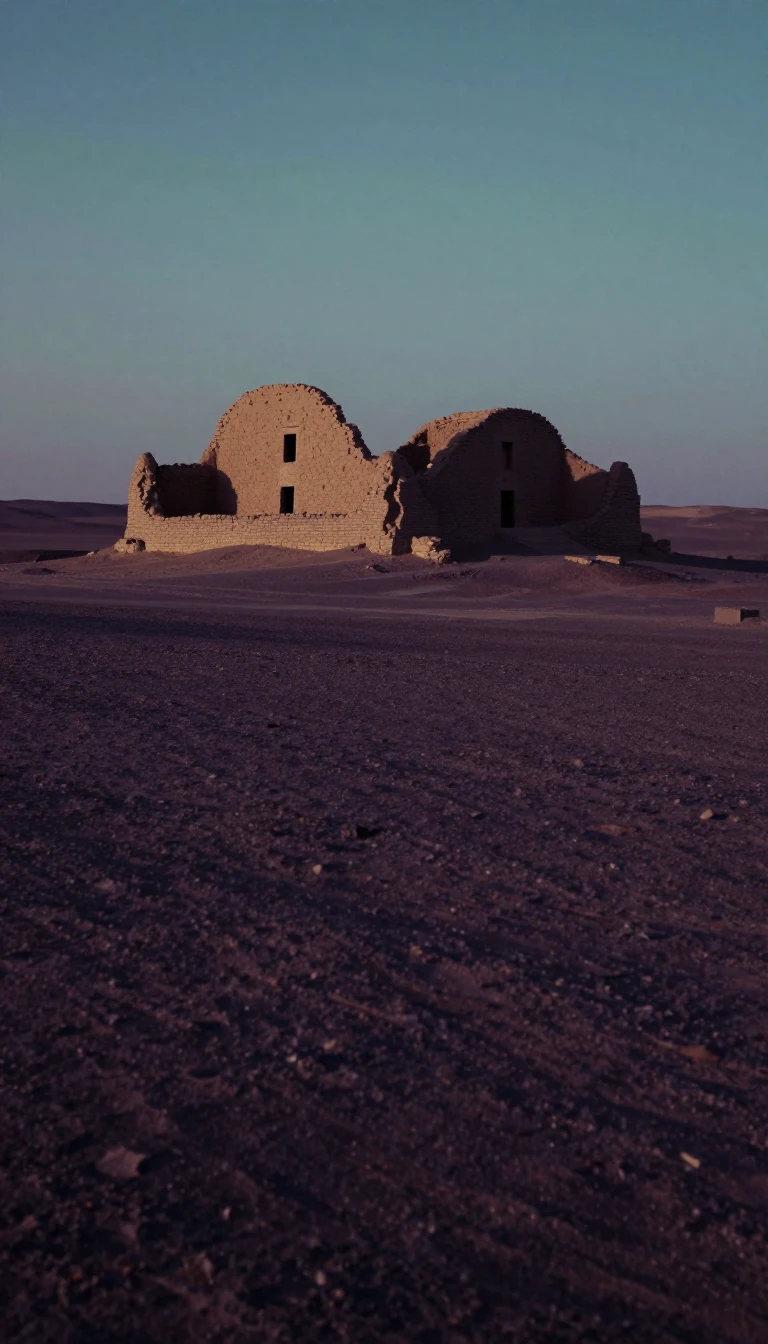
In short: Bukhara is a historic Uzbek city with a name possibly derived from a Buddhist term for monastery. Once a thriving Silk Road hub and intellectual center of the Islamic Golden Age, it later gained notoriety as a slave trade capital before being transformed by the Soviet Union in the 20th century.
Bukhara, the seventh-largest city in Uzbekistan with a 2026 population of 305,500, has a history stretching back millennia. Its name remains a subject of scholarly debate; while some link it to the Sanskrit 'vihāra' for Buddhist monastery, others suggest a Sogdian origin meaning 'Place of Good Fortune.' By the 9th century, it was the capital of the Samanid Empire, a period that saw the city flourish as a center for Persian culture, scholarship, and trade. During this golden age, it was renowned for its libraries and as the birthplace of the scholar Imam Bukhari.
The city’s architectural landscape reflects its diverse religious and imperial history. The Ismail Samani mausoleum, built between 892 and 943, features a syncretic design blending Islamic and Zoroastrian motifs, such as sun-like brick patterns. Later, the Karakhanid Khanate added the Kalan Minaret, while the 16th-century Uzbek Khanate oversaw the construction of the Po-i-Kalyan complex. However, the city's prosperity was often interrupted by violence, including the devastating 15-day siege by Genghis Khan in 1220. By the 16th century, Bukhara had become a major center for the slave trade, a reputation it shared with neighboring Khiva.
The 20th century brought radical change. In 1920, the Red Army, led by Mikhail Frunze, attacked the city, forcing the Emir Mohammed Alim Khan to flee. The subsequent establishment of the Bukhara People’s Soviet Republic and its later integration into the Uzbek Soviet Socialist Republic led to the filling in of traditional water ponds to curb disease. Today, the historic core is a UNESCO World Heritage Site, though some sites, like the four-towered Char Minor, have faced modern preservation challenges, including a 1995 tower collapse that was obscured by authorities using non-traditional building materials.
Opens the Intellect+ feed with this card first. Swipe up for the next one.
Sources
- Summary by Intellect · source: Bukhara
To cite this card, link to https://intellectplus.co.uk/app/history-bukhara.
How we source, check and correct cards: Editorial standards.
General information, not professional advice. Spotted an error? Flag the card or see corrections and complaints.
Intellect Plus is a visual educational discovery platform for exploring fascinating facts and ideas. Brain Food, Not Brain Rot. What is Intellect Plus?
Related
More in Empires & civilisations · More in History · Latest · A–Z · All topics
