The Emirate of Bukhara: A Persianate Power That Defied the Genghisid Legacy
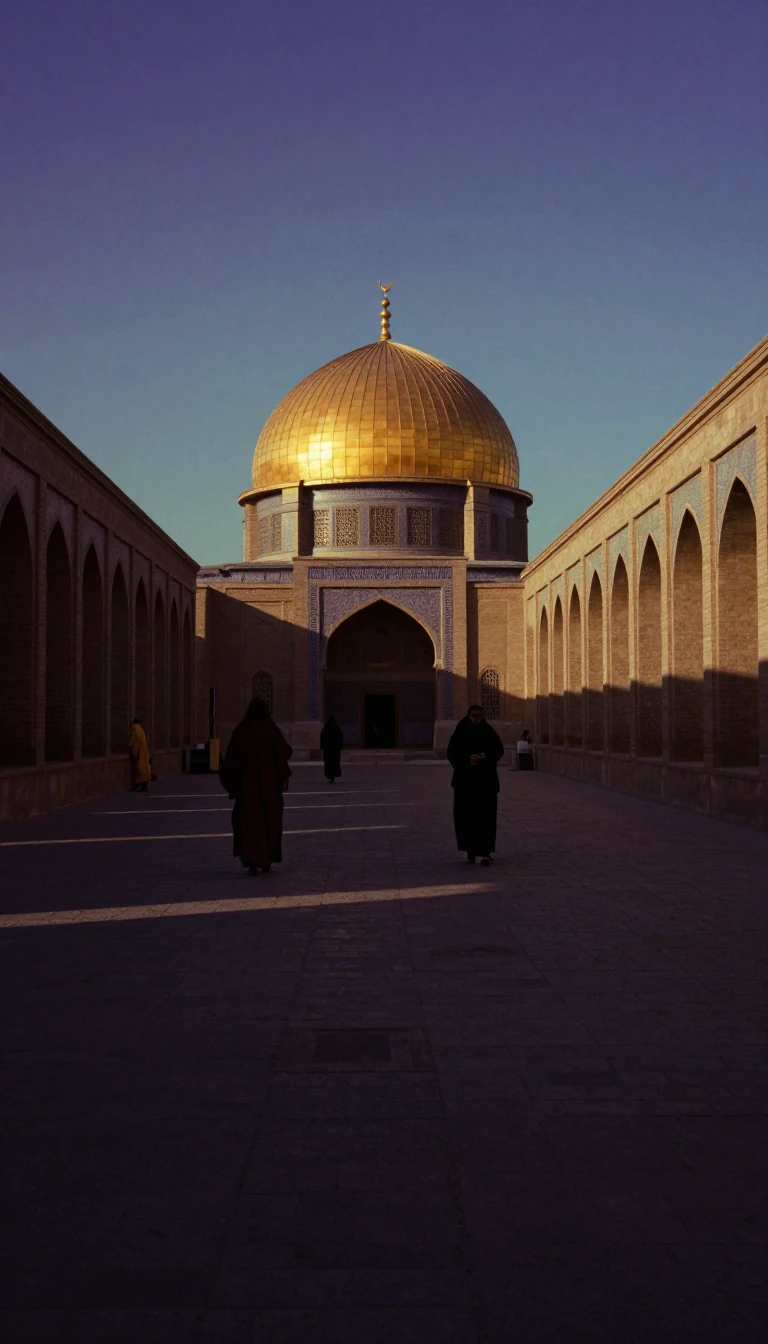
In short: Emerging in 1785, the Emirate of Bukhara was a unique Central Asian absolute monarchy. Unlike its neighbors, it rejected Genghis Khan’s lineage for Islamic legitimacy, blending Turkic military traditions with Persianate culture. This complex, bilingual state survived until 1920, leaving behind a legacy of shifting identities and rich, archival history.
The Emirate of Bukhara, which spanned parts of modern-day Uzbekistan, Tajikistan, Turkmenistan, and Kazakhstan, was established in 1785 when the Manghit emir Shah Murad assumed the throne. By breaking from the tradition of requiring Genghisid blood for rule, the Manghit dynasty staked its legitimacy on Islamic principles, adopting the title of Emir rather than Khan. This transition followed decades of rising influence for the emirs, who had served as ataliqs before seizing total control from the Janid dynasty in 1747.
Society in the emirate was defined by a fluid, bilingual mix of Turkic and Tajik populations. While the ruling class was of Turco-Mongol origin, the administrative and cultural life of the state was deeply Persianate. Persian served as the official court language, and the cities of Bukhara and Samarqand functioned as hubs for religious life and literature. Because ethnic and linguistic boundaries were not strictly defined, individuals often held overlapping identities, making it difficult to categorize the emirate as a purely Uzbek state.
The emirate's geopolitical standing shifted dramatically in the 19th century. It became a focal point of the Great Game, a period marked by diplomatic intrigue and the execution of British envoys like Charles Stoddart and Arthur Conolly. By 1868, the emirate had lost a war against Imperial Russia, leading to the loss of Samarqand and its eventual status as a Russian protectorate by 1873. Slavery, which had been a notable feature of the region, was formally abolished in 1885 under Russian pressure.
Internal reformist pressure, combined with the conservative rule of Mohammed Alim Khan, eventually invited Bolshevik intervention. Following a failed attempt in March 1920, the Red Army successfully conquered the emirate in September 1920, replacing it with the Bukharan People's Soviet Republic. Today, the Qushbegi Chancellery archives, containing nearly 9,500 folders, provide a detailed record of the emirate's diplomatic relations with powers ranging from Russia and Great Britain to the United States and Japan.
Opens the Intellect+ feed with this card first. Swipe up for the next one.
Sources
- Summary by Intellect · source: Emirate of Bukhara
- Also: The Qushbegi Chancellery of the Bukhara Emirate
To cite this card, link to https://intellectplus.co.uk/app/history-emirate-of-bukhara.
How we source, check and correct cards: Editorial standards.
General information, not professional advice. Spotted an error? Flag the card or see corrections and complaints.
Intellect Plus is a visual educational discovery platform for exploring fascinating facts and ideas. Brain Food, Not Brain Rot. What is Intellect Plus?
Related
More in Early modern · More in History · Latest · A–Z · All topics
