Uzbekistan's ancient heartland was the engine of the Silk Road's immense wealth
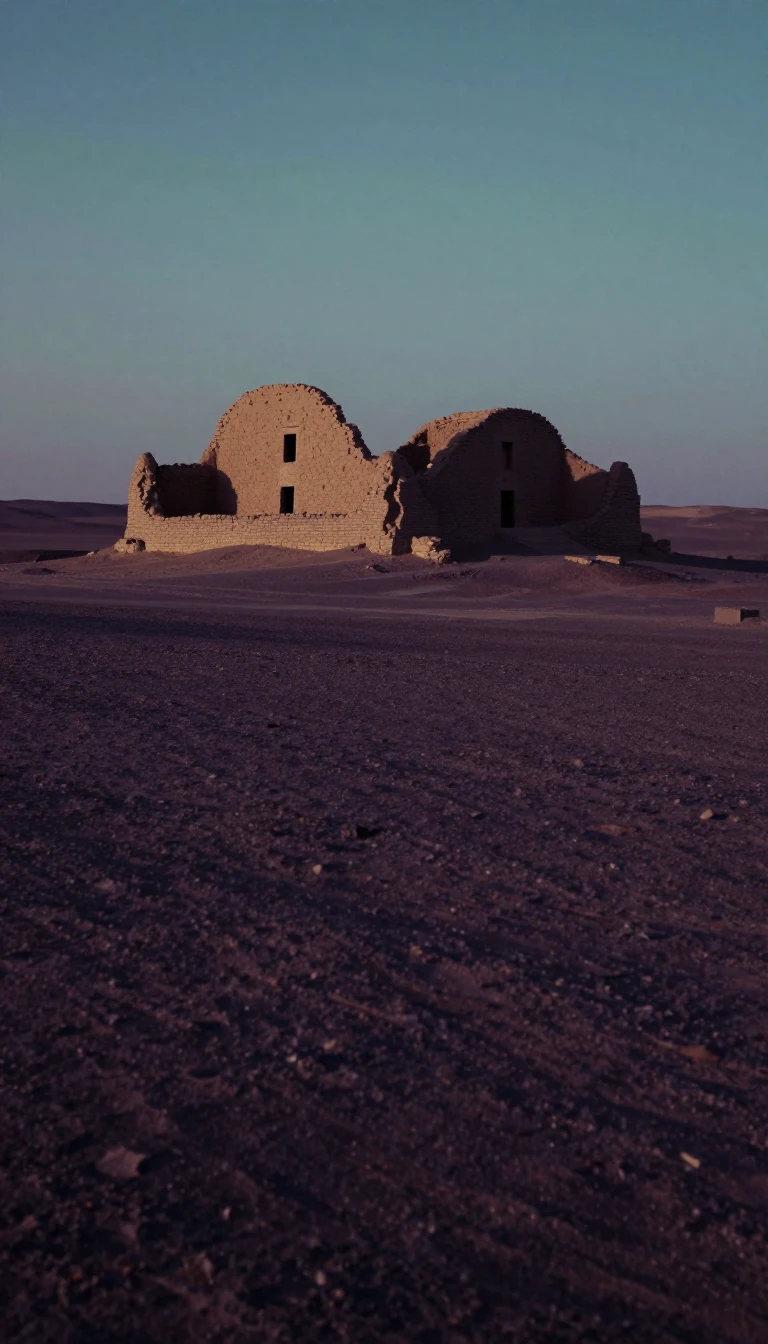
In short: Long before modern borders, the fertile lands of Central Asia served as a global crossroads. From the rise of Sogdian merchants to the intellectual brilliance of the Timurid Renaissance, this region transformed from a collection of ancient irrigation-based city-states into a powerful center of science, trade, and cultural exchange.
Human habitation in the region now known as Uzbekistan dates back to the Paleolithic Period, between 55,000 and 70,000 years ago. By the first millennium BCE, the area saw the emergence of sophisticated states including Bactria, Khwārezm, and Sogdiana. These early societies were defined by extensive irrigation systems along local rivers, which supported the growth of major urban centers like Bukhara and Samarkand. These cities eventually became the bedrock of regional government and high culture.
The region's strategic location made it the primary intermediary for the Silk Road. Sogdian merchants leveraged this position to become the wealthiest traders of antiquity, connecting China with the West. Before the arrival of Islam, the territory was a melting pot of diverse influences, passing through the control of the Achaemenid, Macedonian, and Kushan Empires, among others. This era was characterized by a remarkable syncretism of religions, including Zoroastrianism, Buddhism, and Manichaeism, fostering a golden age of art and science.
The Islamic conquest and the subsequent Samanid Empire shifted the cultural landscape, ushering in an Islamic Golden Age. Scholars such as Avicenna, al-Biruni, and al-Khwarizmi emerged from this intellectual climate. Despite the devastation caused by the 13th-century Mongol invasion, the region experienced a resurgence under the Timurid Empire. Timur, born in Shahrisabz, established his capital in Samarkand, which became a global hub for scientific advancement under Ulugh Beg. By the 16th century, the region was divided into the Khanates of Khiva and Kokand and the Emirate of Bukhara, marking a transition toward the political structures that preceded the modern era.
Opens the Intellect+ feed with this card first. Swipe up for the next one.
Sources
- Summary by Intellect · source: History of Uzbekistan | Britannica
- Also: History of Uzbekistan
To cite this card, link to https://intellectplus.co.uk/app/history-history-of-uzbekistan.
How we source, check and correct cards: Editorial standards.
General information, not professional advice. Spotted an error? Flag the card or see corrections and complaints.
Intellect Plus is a visual educational discovery platform for exploring fascinating facts and ideas. Brain Food, Not Brain Rot. What is Intellect Plus?
Related
More in History by country, small region and city · More in History · Latest · A–Z · All topics
