How a Greek city’s alphabet became the foundation for the modern Latin script
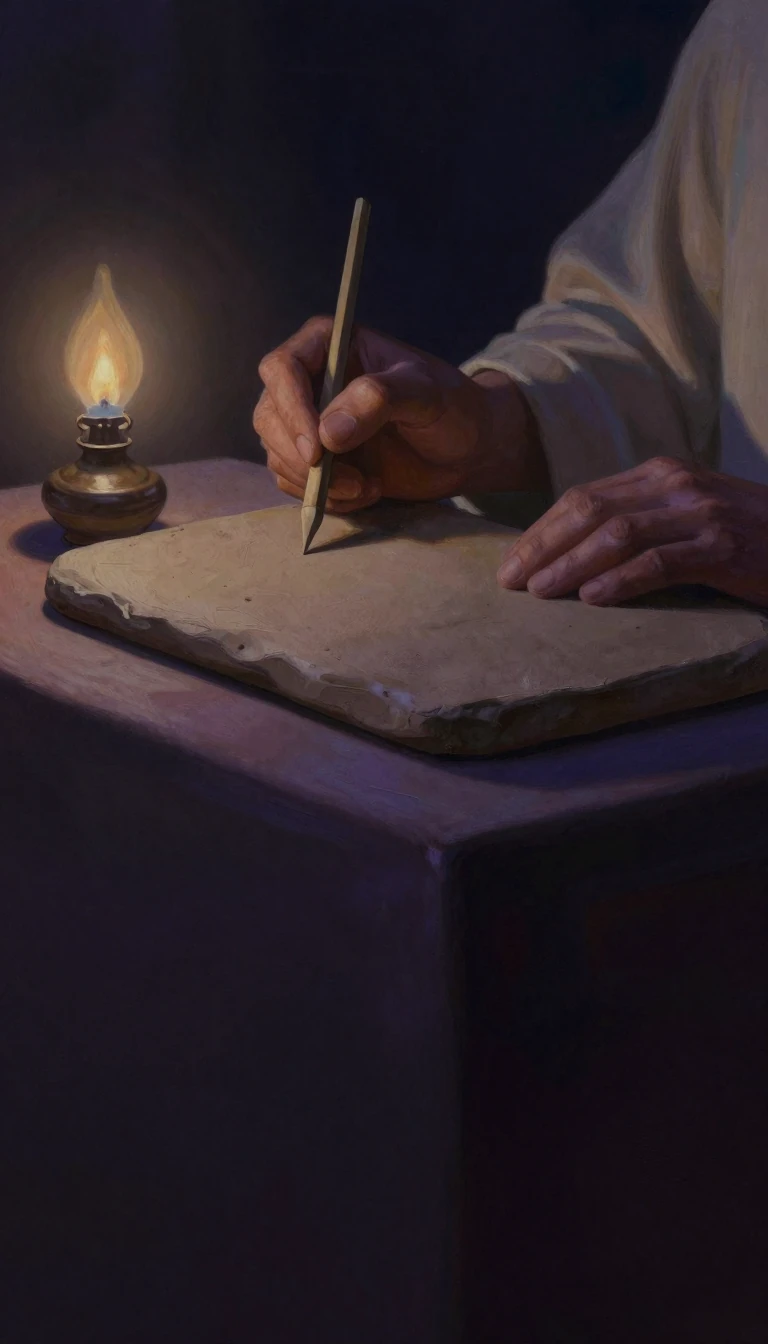
In short: Chalcis, an ancient powerhouse on the Euripus Strait, did more than dominate Mediterranean trade. By spreading its unique alphabet to colonial settlements in Italy, it inadvertently provided the Etruscans and Romans with the building blocks for the Latin script, leaving a permanent mark on the languages we speak today.
Located on the island of Euboea, Chalcis has long been defined by its strategic position on the Euripus Strait. While its name suggests a connection to copper or bronze, no local mines have ever been found. By the 8th century BC, the city was a major colonial force, establishing settlements across Sicily and lower Italy, including Naxos and Cumae. These colonies served as hubs for distributing metalwork, pottery, and purple dyes, effectively linking the Greek world with local populations in the West.
The most enduring legacy of this expansion was the transmission of the Chalkidic alphabet. As trade flourished, the local inhabitants of the Italian peninsula adopted this script, which the Etruscans later adapted for their own use. The Romans eventually refined this into the Latin alphabet. Today, eight letters in Latin-derived languages—C, D, F, P, R, S, and X—remain identical to their ancient Euboic counterparts. This cultural exchange remains the city's most significant contribution to global history.
Beyond its intellectual influence, Chalcis was a center of geopolitical maneuvering. It survived the Lelantine War in the 8th century BC, a major conflict against Eretria that saw the city emerge as the chief power on Euboea. Later, it served as a fortress for Macedonian rulers and a base for invaders like Antiochus III and Mithradates VI. By the Middle Ages, the city—then known as Negroponte—became a Venetian trading hub and a condominium of power, eventually falling to the Ottoman Empire in 1470 after a long siege.
The city’s history is also marked by its unique geography. The Euripus Strait is famous for tidal currents that reverse every six hours, a phenomenon that necessitated the construction of bridges as early as 411 BC. From the Roman aqueduct to the 17th-century Karababa Fortress, the architecture of Chalcis reflects its layered past, serving as a crossroads for Byzantine, Venetian, and Ottoman influences that shaped the modern Greek state.
Opens the Intellect+ feed with this card first. Swipe up for the next one.
Sources
- Summary by Intellect · source: Chalcis
To cite this card, link to https://intellectplus.co.uk/app/history-chalcis.
How we source, check and correct cards: Editorial standards.
General information, not professional advice. Spotted an error? Flag the card or see corrections and complaints.
Intellect Plus is a visual educational discovery platform for exploring fascinating facts and ideas. Brain Food, Not Brain Rot. What is Intellect Plus?
Related
More in Empires & civilisations · More in History · Latest · A–Z · All topics
