Why this ancient jade-colored pottery was once the most coveted treasure in the world
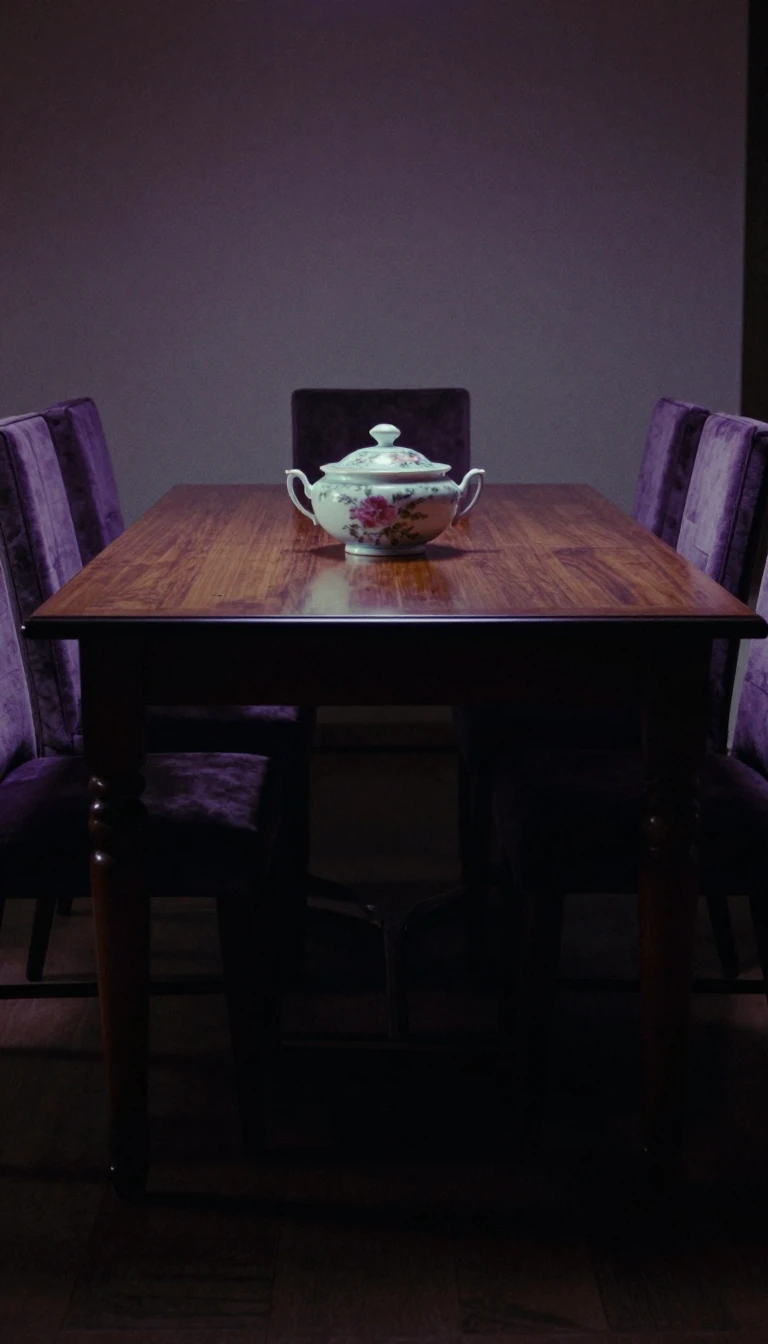
In short: Celadon is a ceramic marvel defined by its pale, jade-like glaze. Originating in China, this technique relies on precise iron oxide chemistry and high-temperature firing in a reducing atmosphere. Once a symbol of imperial prestige across East Asia, its history reveals a complex story of artistic innovation and cultural exchange.
The term 'celadon' is a European invention, likely named after a shepherd in a 17th-century French romance who wore pale green ribbons. However, the craft itself dates back to the Northern Song dynasty (960–1127) in China, where it was prized for its resemblance to jade. Achieving the iconic green hue requires a delicate balance: a glaze containing between 0.75% and 2.5% iron oxide, fired in a reducing kiln at temperatures between 1,285 °C and 1,305 °C. If the chemistry or oxygen levels shift, the color can veer into blue, olive, or black.
Beyond China, celadon flourished in Korea during the Goryeo period (918–1392). Korean potters developed distinct techniques, most notably 'sanggam'—an inlay method where designs are engraved into semi-dried clay and filled with contrasting materials. These wares reached their zenith in the 12th and early 13th centuries, supported by massive production centers like the Gangjin Kiln Sites, which comprised 188 kilns. Despite the craft being severely disrupted by Mongol invasions and later political persecution, it has seen significant 20th-century revivals by masters designated as Living National Treasures.
While celadon was widely exported to the Islamic world and beyond, its popularity eventually waned in China following the rise of blue and white porcelain in the 14th century. Today, the legacy of greenware persists through both historical preservation and modern innovation. Contemporary artists in Japan and Korea continue to experiment with the medium, pushing the boundaries of the traditional glaze to create abstract sculptures and intricate designs that bridge centuries of ceramic history.
Opens the Intellect+ feed with this card first. Swipe up for the next one.
Sources
- Summary by Intellect · source: Celadon
To cite this card, link to https://intellectplus.co.uk/app/history-celadon.
How we source, check and correct cards: Editorial standards.
General information, not professional advice. Spotted an error? Flag the card or see corrections and complaints.
Intellect Plus is a visual educational discovery platform for exploring fascinating facts and ideas. Brain Food, Not Brain Rot. What is Intellect Plus?
Related
More in Post-classical · More in History · Latest · A–Z · All topics
