How a remote hilly town became the world's undisputed capital of fine porcelain
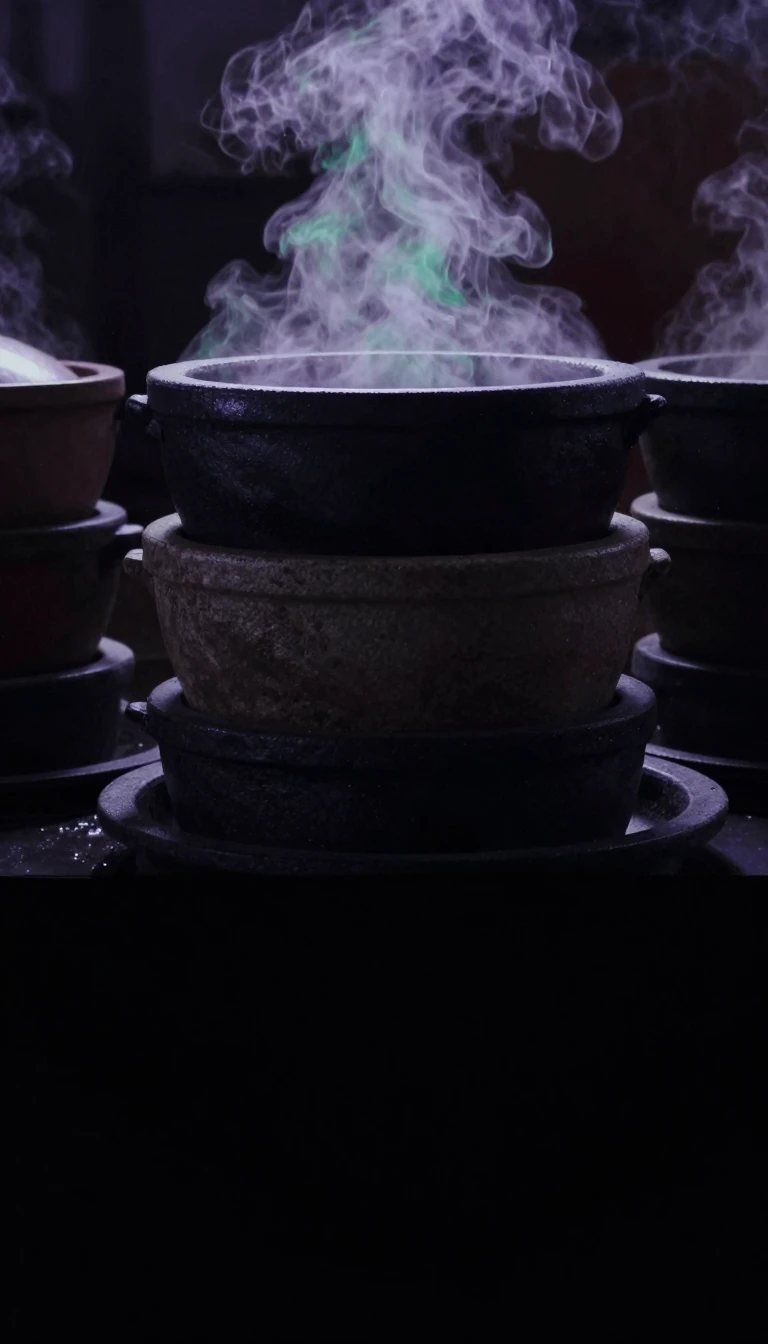
In short: For over a millennium, Jingdezhen has defined the pinnacle of Chinese ceramics. While its name honors an 11th-century emperor, its global dominance was built on a unique geological fortune: the perfect combination of local kaolin and petuntse, which allowed artisans to master the world's finest hard-paste porcelain.
Jingdezhen’s rise to prominence began in 1004 CE, when it was renamed after the reign of Emperor Zhenzong of the Song dynasty. Though pottery production may have started as early as the sixth century, the town’s strategic location on the Chang River provided a vital artery for transporting fragile wares to the Yangtze and eventually to global markets. By the 14th century, it had cemented its status as the largest center for porcelain production, a title it has maintained for centuries.
The city’s success was not merely a matter of craft, but of geography. Nestled in a hilly region, the area provided abundant pine forests for kiln fuel and rich deposits of petuntse, or pottery stone. The term 'kaolin' itself originates from the local village of Gaoling, where the essential clay was sourced during the Qing dynasty. This material, when perfected in Jingdezhen’s kilns, allowed for the creation of iconic styles ranging from Song-era Qingbai ware to the intricate blue-and-white porcelain that has fetched tens of millions of dollars at modern auctions.
Today, the city remains a vibrant industrial and cultural hub. Beyond its ceramic heritage—which earned UNESCO World Heritage status in 2026—Jingdezhen has evolved into a modern center for aviation and automotive manufacturing. It also serves as a magnet for young artists, known as Jingpiao, who are drawn to the city’s low cost of living and deep artistic legacy. Despite the destruction of its 9,000 kilns during the 1855 Taiping Rebellion, the city has consistently rebuilt, proving that its status as the Porcelain Capital is as resilient as the material it produces.
Opens the Intellect+ feed with this card first. Swipe up for the next one.
Sources
- Summary by Intellect · source: Jingdezhen
- Also: Wikidata — Jingdezhen · CC0
To cite this card, link to https://intellectplus.co.uk/app/places-jingdezhen.
How we source, check and correct cards: Editorial standards.
General information, not professional advice. Spotted an error? Flag the card or see corrections and complaints.
Intellect Plus is a visual educational discovery platform for exploring fascinating facts and ideas. Brain Food, Not Brain Rot. What is Intellect Plus?
Related
More in Major world cities · More in Countries & Cities · Latest · A–Z · All topics
