San Miguel Island is a rugged, wind-battered outpost of California's ancient maritime history.
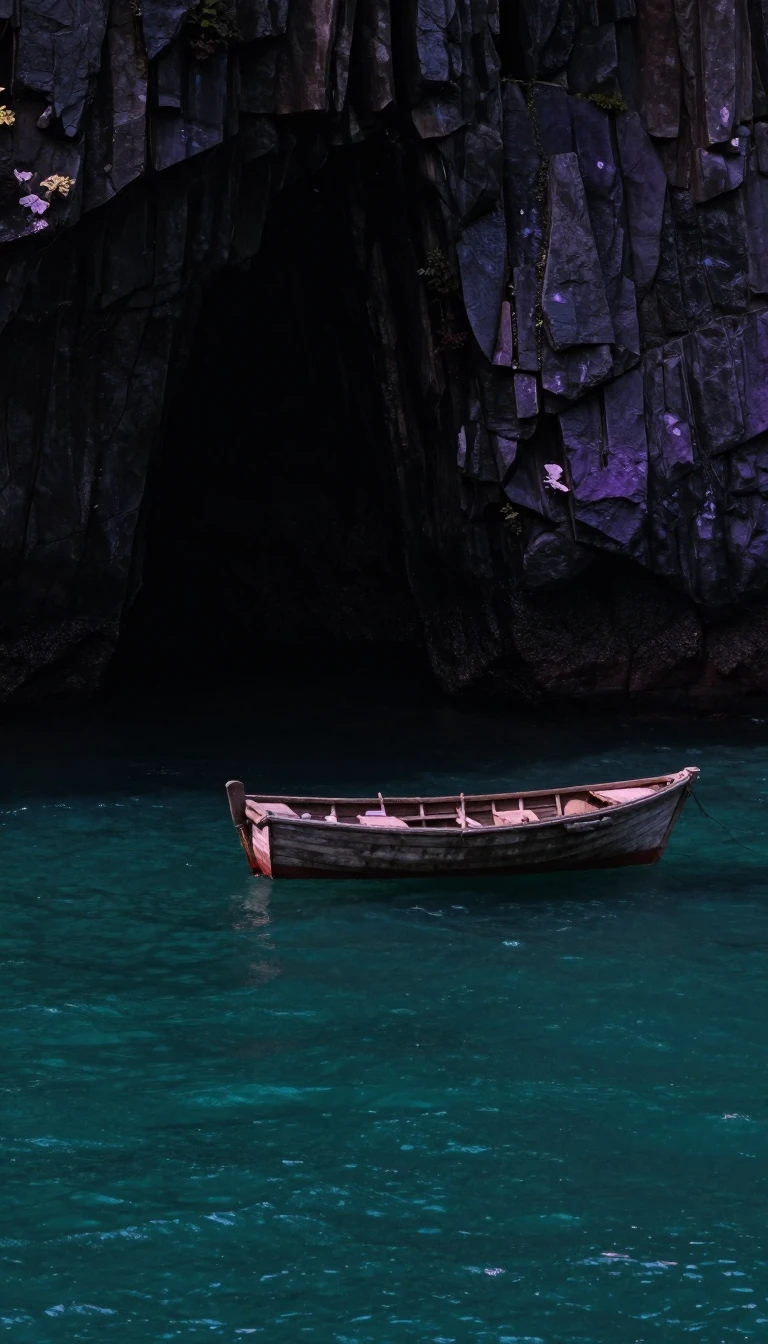
In short: Located at the edge of the Pacific, San Miguel Island is a harsh, uninhabited landscape defined by fierce winds and cold waters. Once home to the Chumash people and their sophisticated canoes, this remote island now serves as a protected sanctuary for seals, seabirds, and remnants of a deep human past.
San Miguel Island, the westernmost of California's Channel Islands, is a place of extreme environmental conditions. Exposed to the open ocean, it experiences relentless northwesterly winds that often exceed 50 mph, creating a climate more akin to Northern California than the southern coast. This isolation has preserved a unique ecological and archaeological record. The island was once part of the larger Santarosae Island, connected to the mainland during the Last Glacial period, which allowed Paleo-Indians to settle there approximately 13,000 years ago. These early inhabitants developed a complex maritime culture, navigating rough seas in plank-built canoes known as tomols.
The island's history is marked by both human resilience and government control. Archaeological findings, such as the 9,800-year-old remains of Tuqan Man and the ancient midden at Daisy Cave, highlight its long-standing human occupation. By the 19th century, the island transitioned through various ranching operations, eventually coming under the ownership of the United States Department of the Navy in 1935. During World War II, the island served as a lookout post, and later as a target range for guided missiles. Today, it remains under Navy ownership while being managed as part of Channel Islands National Park, with access strictly regulated to protect its fragile archaeological sites and dangerous, unexploded ordnance.
Ecologically, the island has become a vital refuge. In the 1960s, northern fur seals recolonized the area, and today the colony numbers around 10,000 animals. Similarly, the California common murre returned to nearby Prince Island in 2011 after a century-long absence. Despite these successes, the island remains a challenging environment for visitors. With no pier, arrivals must land by skiff at Cuyler Harbor, and hikers are restricted to specific trails to avoid disturbing wildlife or encountering hazards. From the remnants of a caliche forest to the presence of great white sharks in surrounding waters, San Miguel remains a wild, untamed frontier.
Opens the Intellect+ feed with this card first. Swipe up for the next one.
Sources
- Summary by Intellect · source: San Miguel Island
To cite this card, link to https://intellectplus.co.uk/app/science-san-miguel-island.
How we source, check and correct cards: Editorial standards.
General information, not professional advice. Spotted an error? Flag the card or see corrections and complaints.
Intellect Plus is a visual educational discovery platform for exploring fascinating facts and ideas. Brain Food, Not Brain Rot. What is Intellect Plus?
Related
More in Physics · More in Science · Latest · A–Z · All topics
