The cinnamon in your pantry is likely not the spice you think it is.
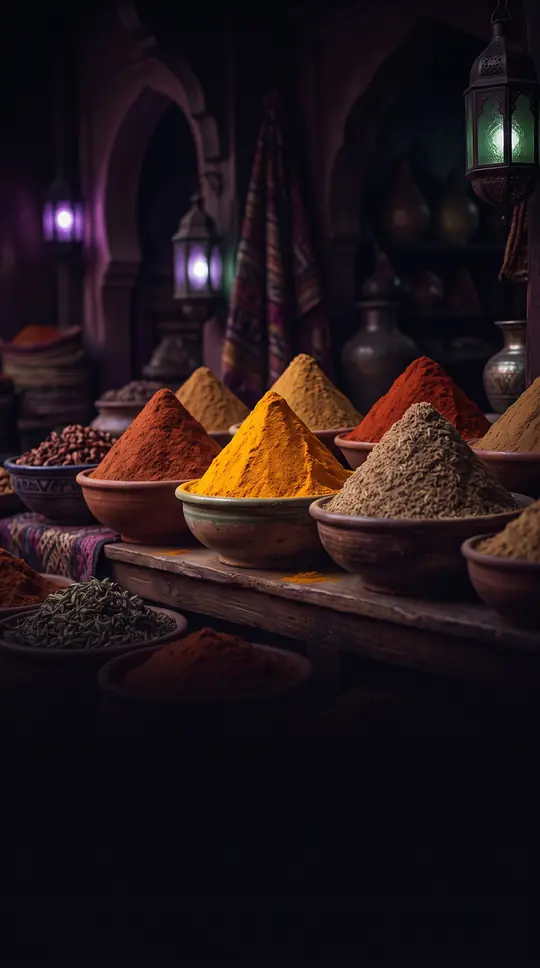
In short: Most cinnamon sold in North America is actually cassia, a thicker, more pungent relative of true cinnamon. While both share a history of being prized as highly as gold, cassia contains high levels of coumarin, a compound that can pose risks to the liver if consumed in large quantities.
Cinnamomum cassia, often called Chinese cinnamon, is an evergreen tree native to southern China. While it is frequently marketed simply as cinnamon, it is distinct from Cinnamomum verum, or true cinnamon, which originates from Sri Lanka and the Malabar Coast. Cassia bark is thicker, harder to crush, and possesses a rougher texture than the delicate, multi-layered quills of true cinnamon. Despite these differences, cassia has become the most popular variety consumed in North America, valued for its sweet, pungent flavor in confections, curries, and baked goods.
The historical significance of cassia spans millennia. Chinese herbalists suggest its use dates back to at least 2700 B.C. for treating fevers and menstrual issues. By 500 B.C., it had reached Egypt, where it served as a key ingredient in embalming mixtures. It was also noted in the Bible as a component of the anointing oil used by Moses. Throughout history, the spice was so highly coveted that it was once considered more valuable than gold, eventually becoming a cornerstone of the Dutch East India Company's profitable spice trade.
Modern science has identified over 160 phytochemicals within Cinnamomum cassia, including cinnamaldehyde and styrene. While traditional medicine highlights its potential antimicrobial and anti-inflammatory properties, there is a notable health caveat: cassia contains significantly higher amounts of coumarin than true cinnamon. Because this compound can adversely affect the liver, European health agencies have issued warnings regarding the consumption of large amounts of cassia. Consequently, while it remains a staple in global kitchens, moderation is advised for those with preexisting liver conditions.
The nomenclature of the tree itself is surprisingly complex. While the name Cinnamomum cassia has been widely used for centuries, it is technically an illegitimate homonym under current botanical rules, as the original Linnaean classification was later linked to a different species. Proposals to conserve the name are currently under review, reflecting the ongoing tension between historical usage and modern scientific classification.
Opens the Intellect+ feed with this card first. Swipe up for the next one.
Sources
- Summary by Intellect · source: Cassia | Description, Spice, Cinnamon, Uses, Processing, & Facts | Britannica
- Also: Cinnamomum cassia
To cite this card, link to https://intellectplus.co.uk/app/history-cinnamomum-cassia.
How we source, check and correct cards: Editorial standards.
General information, not professional advice. Spotted an error? Flag the card or see corrections and complaints.
Intellect Plus is a visual educational discovery platform for exploring fascinating facts and ideas. Brain Food, Not Brain Rot. What is Intellect Plus?
Related
More in Empires & civilisations · More in History · Latest · A–Z · All topics
