The spice once more valuable than gold was a medicinal marvel
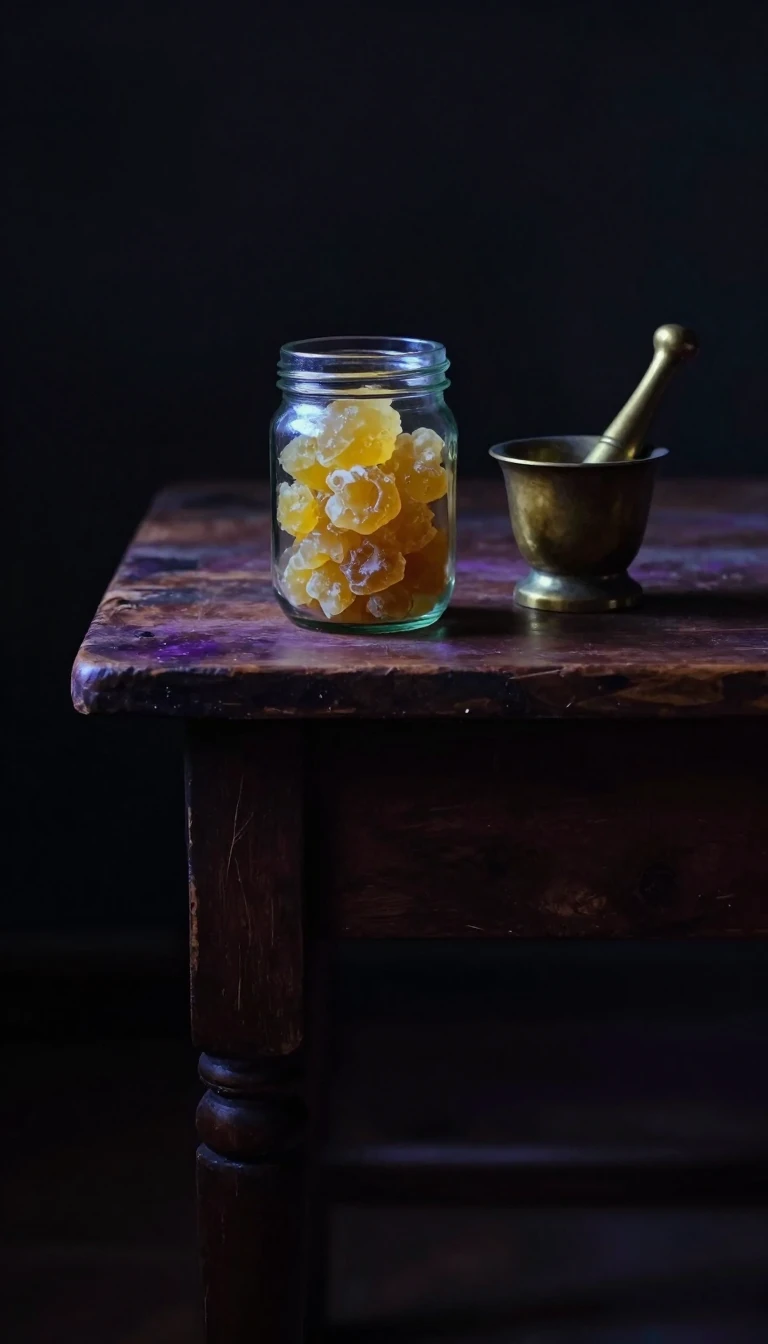
In short: Cinnamon is more than a kitchen staple; it is a botanical powerhouse with a history of luxury and healing. From ancient Egyptian embalming to the most profitable spice of the Dutch East India Company, its bark has shaped global trade and traditional medicine for centuries.
The primary spice, derived from the bark of Cinnamomum verum, is a bushy evergreen tree native to Sri Lanka, Myanmar, and the Malabar Coast of India. While it is now a common pantry item, its historical value was immense. In ancient Egypt, it was utilized for religious practices and embalming. By the medieval period, it served as a luxury flavoring and a centerpiece of religious rites in Europe. Its economic significance peaked later when it became the most profitable spice in the trade of the Dutch East India Company.
The botanical family Lauraceae contains approximately 250 species of Cinnamomum, though recent molecular studies have refined this classification. For instance, species from the tropical Americas were found to be unrelated to Asian and Australasian varieties and were reclassified into the genus Aiouea. The trees are characterized by 'lauroid' leaves—thick, leathery structures with a heavy wax layer and 'drip tips' that allow them to shed water in humid rainforests, ensuring the plant can continue to respire.
Processing the spice is a labor-intensive craft. Growers harvest the main crop in the wet season by cutting shoots close to the ground. These shoots are scraped with semicircular blades and rubbed with brass rods to loosen the bark. The bark is then split, peeled, and telescoped into quills about 107 cm long. These quills are dried in subdued sunlight for several days and bleached with sulfur dioxide before being sorted into grades.
Medicinally, cinnamon is a complex compound. It contains 0.5 to 1 percent essential oil, primarily cinnamic aldehyde. While it has been used traditionally as a coagulant and for its antimicrobial and antidiabetic properties, it carries a significant warning: the compound coumarin. While found in trace amounts in true cinnamon, it is prevalent in cassia cinnamon and can adversely affect the liver, making prolonged use risky for those with pre-existing conditions.
Opens the Intellect+ feed with this card first. Swipe up for the next one.
Sources
- Summary by Intellect · source: Cinnamon | Plant, Spice, History, & Uses | Britannica
- Also: Cinnamomum
To cite this card, link to https://intellectplus.co.uk/app/science-cinnamomum.
How we source, check and correct cards: Editorial standards.
General information, not professional advice. Spotted an error? Flag the card or see corrections and complaints.
Intellect Plus is a visual educational discovery platform for exploring fascinating facts and ideas. Brain Food, Not Brain Rot. What is Intellect Plus?
Related
More in Organic compounds · More in Science · Latest · A–Z · All topics
