Ancient Egyptian fashion was defined by white linen, heavy jewelry, and medicinal makeup
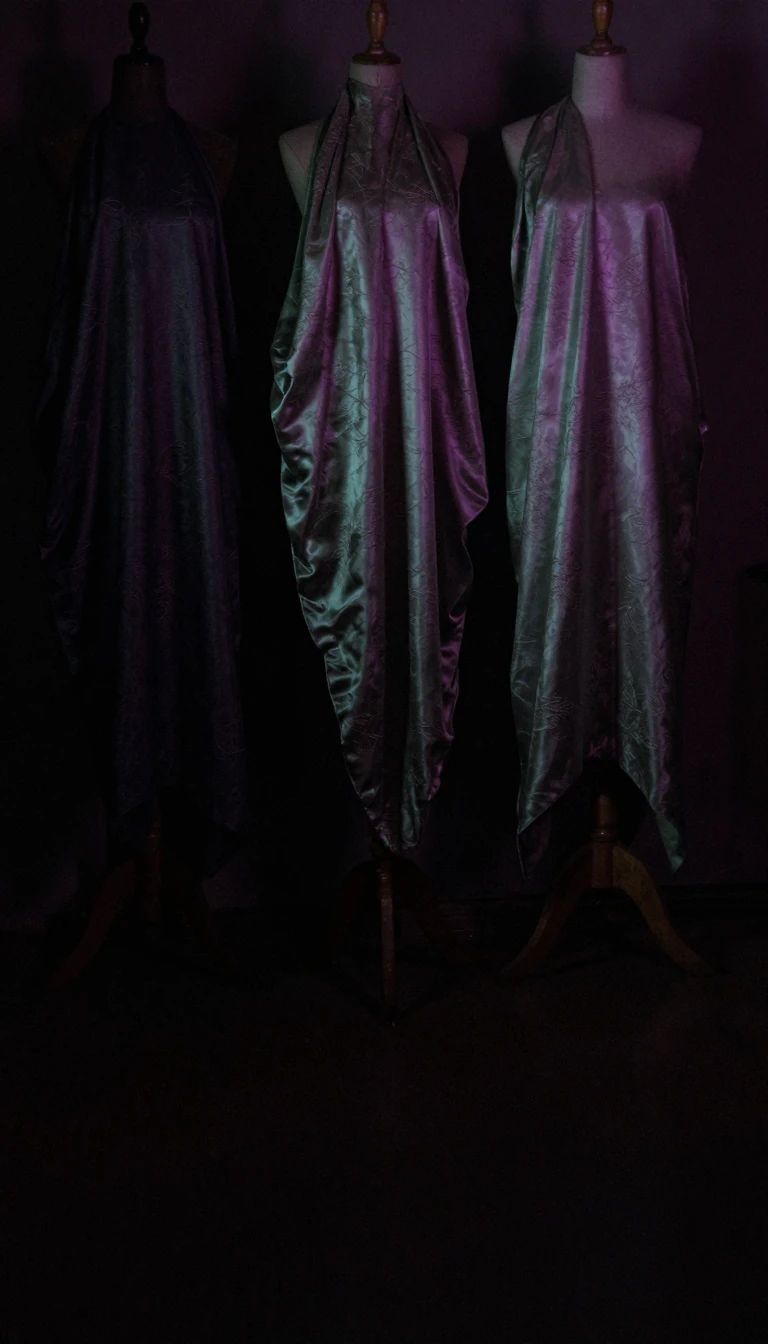
In short: While we often imagine ancient Egyptians in elaborate costumes, their daily reality was dominated by simple, white linen garments designed for a subtropical climate. Yet, beneath this sobriety lay a sophisticated culture of heavy gold jewelry, perfumed wigs, and lead-based eye makeup that served both aesthetic and immune-boosting purposes.
Linen was the cornerstone of Egyptian textiles, derived from flax and prized for its comfort in the heat. While wool and other fibers existed, they were less common, and the persistent myth that Egyptians viewed wool as unclean stems from the historian Herodotus. Clothing styles evolved slowly over three millennia, from the simple wrap-around skirts of the Old Kingdom to the intricately pleated, sheer garments that emerged in the New Kingdom for the wealthy. Women’s attire remained more conservative than men’s, typically consisting of a sheath dress known as a kalasiris, though artistic depictions often contrast with the actual baggy nature of surviving linen garments.
Jewelry provided a necessary splash of color against the plain white linen. It was worn by all social classes, with the wealthy favoring gold, turquoise, and lapis lazuli, while others utilized colored pottery beads. Beyond mere decoration, the Egyptians were pioneers in cosmetics. They used kohl for eyeliner and ochre for lip color, mixing these pigments with animal fat. Recent research published in the journal Analytical Chemistry suggests that the inclusion of lead in these mixtures was intentional; it likely triggered the production of nitric oxide, which would have boosted the immune system and helped prevent eye infections like conjunctivitis.
Personal grooming was equally rigorous. Both men and women frequently shaved their heads to combat lice and simplify maintenance, opting instead for elaborate human-hair wigs. For special occasions, these wigs were topped with cones of perfumed fat that melted over time, releasing fragrance. Footwear was rarely worn, reserved primarily for protection or ceremonial use, with sandals crafted from leather or papyrus. From the gods Hedjhotep and Tayt, who presided over weaving, to the pharaohs who donned leopard skins as symbols of authority, clothing and adornment were deeply woven into the fabric of Egyptian identity and social hierarchy.
Opens the Intellect+ feed with this card first. Swipe up for the next one.
Sources
- Summary by Intellect · source: Clothing in ancient Egypt
To cite this card, link to https://intellectplus.co.uk/app/history-clothing-in-ancient-egypt.
How we source, check and correct cards: Editorial standards.
General information, not professional advice. Spotted an error? Flag the card or see corrections and complaints.
Intellect Plus is a visual educational discovery platform for exploring fascinating facts and ideas. Brain Food, Not Brain Rot. What is Intellect Plus?
Related
More in Empires & civilisations · More in History · Latest · A–Z · All topics
