The shifting winds and seasonal extremes of the Philippine archipelago
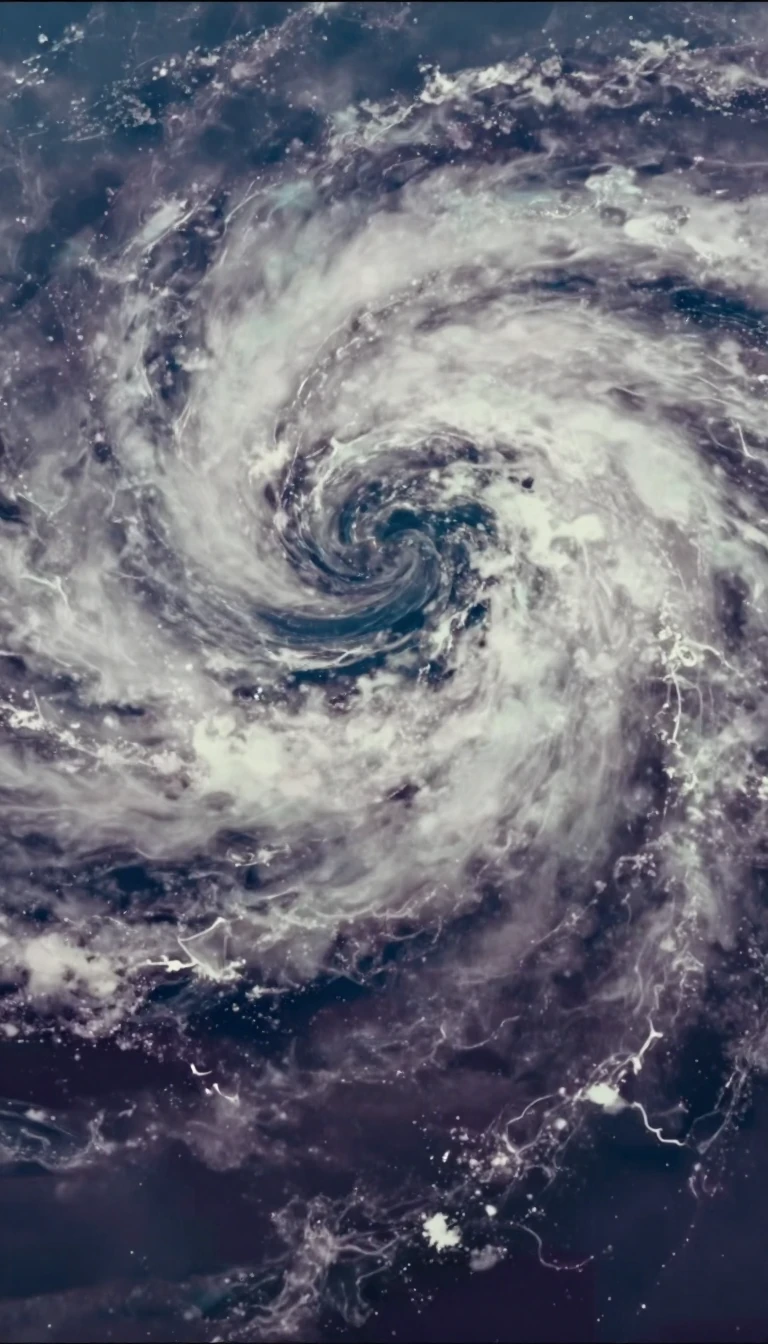
In short: Beyond the tropical heat lies a complex dance of monsoons and typhoons. From the heavy rains of the Habagat to the drought-inducing Amihan, the Philippines' climate is a high-stakes interplay of wind, moisture, and sudden, powerful atmospheric shifts.
The Philippine climate is defined by two primary seasons driven by large-scale sea breezes known as monsoons. The southwest monsoon, or Habagat, brings heavy, moisture-laden winds from May to October, often resulting in significant rainfall. Conversely, the northeast monsoon, known as Amihan, dominates from November to February, bringing cooler air and a tendency toward drought. This seasonal rhythm is punctuated by extreme temperature variations; while May is typically the warmest month with a mean of 28.3°C, January remains the coolest, averaging 25.5°C.
The archipelago sits directly within the typhoon belt, facing regular threats from tropical cyclones, locally called 'bagyo'. Data from PAGASA between 1948 and 2004 shows that while approximately 28 storms enter the Philippine Area of Responsibility annually, an average of nine make landfall. The intensity of these events can be catastrophic. In 1993, a record 19 typhoons struck the country, while the 2013 super typhoon Haiyan (Yolanda) remains the deadliest on record, causing over 6,300 deaths and 90 billion pesos in damage.
Geography and elevation play critical roles in local weather patterns. In the mountainous east coast, annual rainfall can reach 5,000 mm, whereas sheltered valleys may see less than 1,000 mm. Elevation also dictates temperature; for instance, the high-altitude city of Baguio averages roughly 18.3°C, significantly cooler than the lowland mean of 26.6°C. Such ecological intricacy is heightened by how cyclone effects differ, providing over 30 per cent of yearly precipitation to the northern Philippines compared to under 10 per cent in the south.
Opens the Intellect+ feed with this card first. Swipe up for the next one.
Sources
- Summary by Intellect · source: Climate of the Philippines
To cite this card, link to https://intellectplus.co.uk/app/history-climate-of-the-philippines.
How we source, check and correct cards: Editorial standards.
General information, not professional advice. Spotted an error? Flag the card or see corrections and complaints.
Intellect Plus is a visual educational discovery platform for exploring fascinating facts and ideas. Brain Food, Not Brain Rot. What is Intellect Plus?
Related
More in Philippines · More in History · Latest · A–Z · All topics
