Why the 2021 Pacific typhoon season was surprisingly quiet despite a powerful start
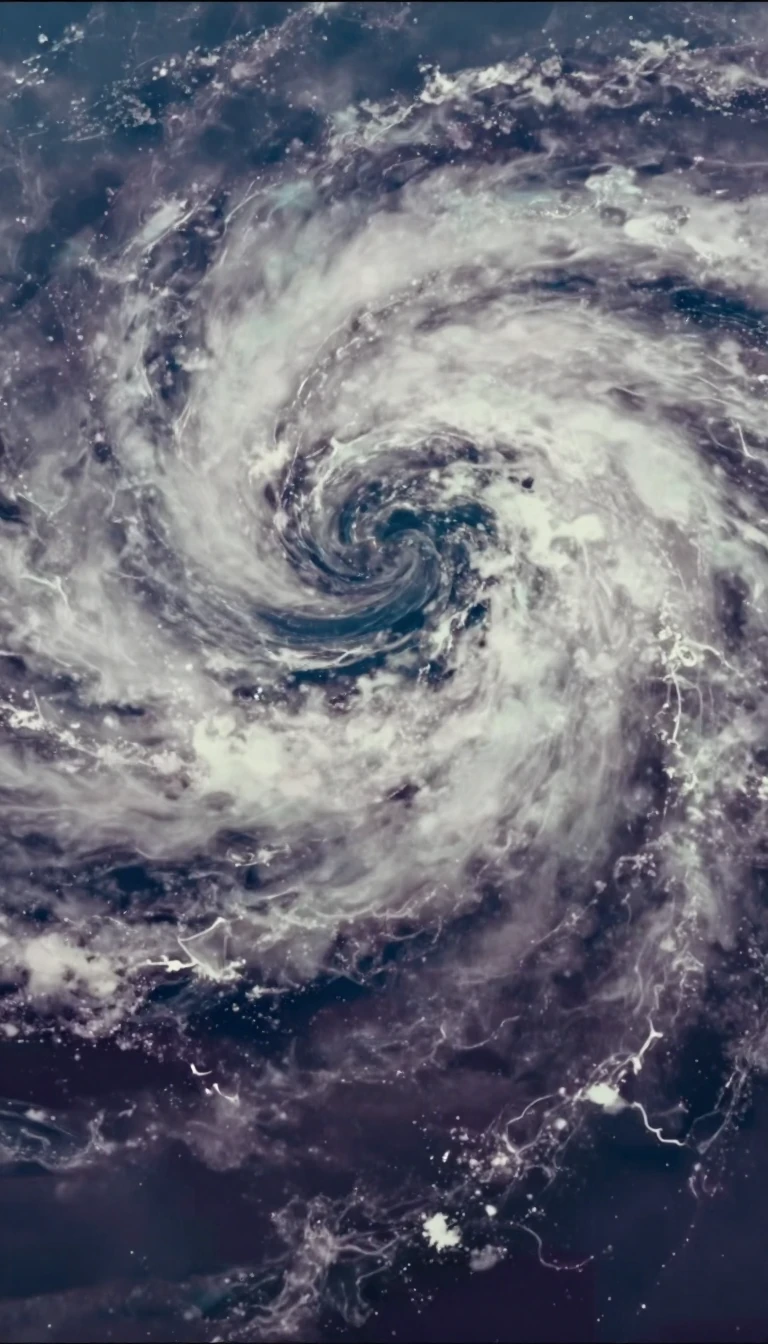
In short: The 2021 Pacific typhoon season defied expectations, marking the second consecutive year of below-average activity. While the year produced twenty-two named storms, it was the least active season since 2011. Driven by a persistent La Niña, the season featured a dramatic contrast between early-year intensity and overall subdued storm development.
The 2021 season was defined by a strong La Niña, which suppressed tropical cyclone activity across the northwestern Pacific. While the season officially spanned the entire year, the majority of development occurred between May and October. Despite the overall low frequency, the season produced nine typhoons, five of which intensified into super typhoons. The most notable of these was Surigae, which reached Category 5-equivalent status in April, becoming the strongest tropical cyclone recorded in the Northern Hemisphere for that month.
Meteorological agencies, including the Tropical Storm Risk Consortium and the Philippine Atmospheric, Geophysical and Astronomical Services Administration, consistently forecasted a below-average season. Early predictions in late 2020 anticipated limited activity for the first quarter of 2021, and subsequent updates throughout the year maintained a cautious outlook. By August 9, final forecasts projected a total of twenty-five named storms, thirteen typhoons, and seven intense typhoons, reflecting the anticipated influence of the ongoing climate patterns.
The human and economic toll of the season was concentrated in specific events. Typhoons In-fa and Rai were particularly destructive, together accounting for over $2.02 billion in damages. Rai, which struck the Philippines in December, was so significant that it prompted the Philippine agency to revise its classification systems and wind signal protocols in early 2022. Other storms, such as Dujuan in February and Crising in May, caused widespread flooding and agricultural losses, highlighting the persistent vulnerability of the region to even lower-frequency storm seasons.
Opens the Intellect+ feed with this card first. Swipe up for the next one.
Sources
- Summary by Intellect · source: 2021 Pacific typhoon season
To cite this card, link to https://intellectplus.co.uk/app/nature-2021-pacific-typhoon-season.
How we source, check and correct cards: Editorial standards.
General information, not professional advice. Spotted an error? Flag the card or see corrections and complaints.
Intellect Plus is a visual educational discovery platform for exploring fascinating facts and ideas. Brain Food, Not Brain Rot. What is Intellect Plus?
Related
More in Air · More in Nature · Latest · A–Z · All topics
