Why the tropical monsoon climate is more than just a rainy season
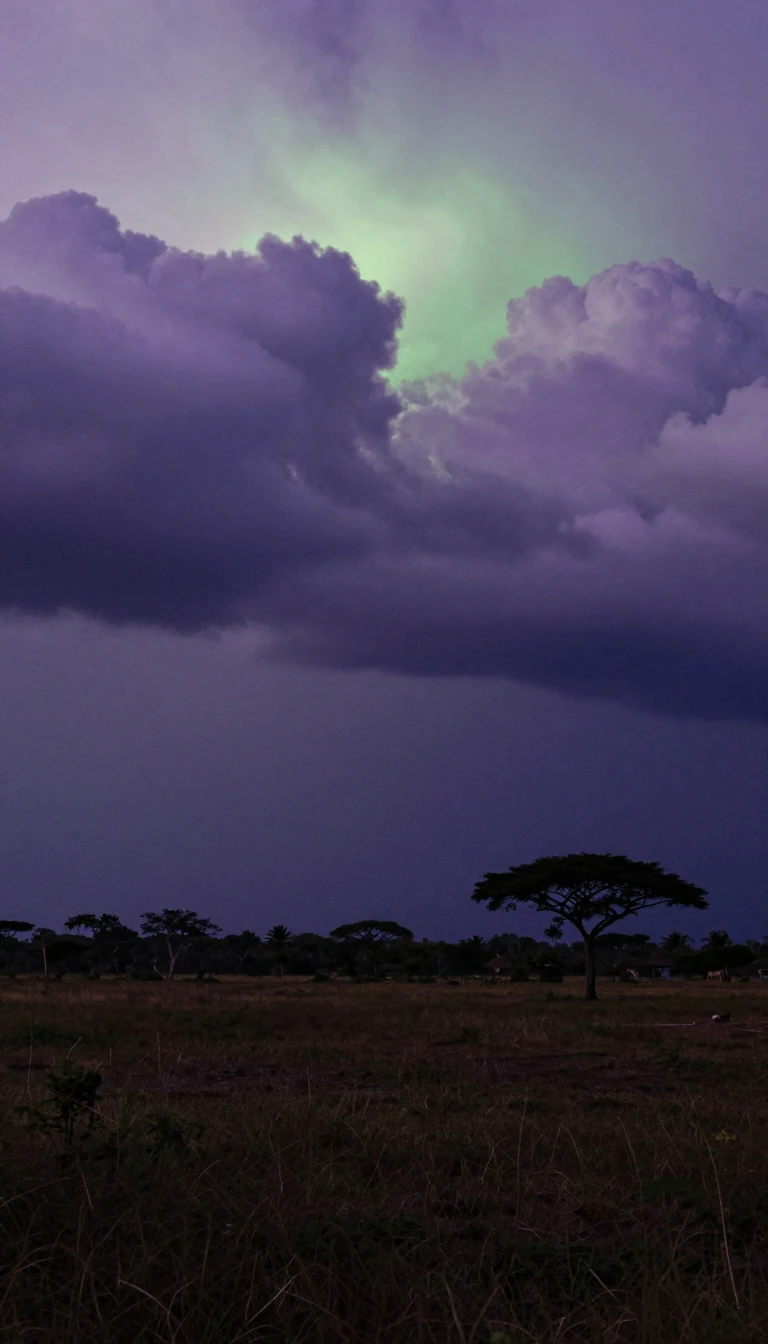
In short: Known as the Am climate, the tropical monsoon zone is a complex atmospheric dance. While it mimics the wet equatorial rainforest, it hides a distinct dry spell. Driven by shifting winds or trade-wind coastal geography, this climate creates some of the most intense rainfall patterns on the planet.
The tropical monsoon climate, categorized as Am in the Köppen-Geiger-Pohl system, occupies a unique middle ground between the perpetually wet equatorial rainforest and the drier tropical savanna. While it shares the high temperatures and small annual temperature ranges of its neighbors, its defining feature is a short, distinct dry season that typically arrives during the low-sun or winter months. Paradoxically, the highest temperatures in these regions often occur just as this dry period concludes, right before the rains return.
Two primary mechanisms drive these climates. In southern and southeastern Asia, the system is governed by large-scale monsoon circulation. During the summer, warm, moisture-laden maritime air flows inland, converging into low-pressure zones north of the Himalayas to produce heavy convective and orographic rainfall. In winter, the pattern reverses as cool, dry air diverges from the Siberian anticyclone, clearing the skies. Conversely, in the Americas and Africa, these climates are often defined by trade-wind patterns, where moist air is forced upward over coastal mountain ranges, triggering precipitation through orographic effects.
The intensity of these climates varies significantly. Some regions experience less pronounced dry seasons with enough lingering rainfall to distinguish them from savannas, while others endure extreme, sustained downpours. In the most intense variations, certain areas can receive over 1,000 mm of precipitation in a single month for consecutive periods. Whether driven by the seasonal migration of the Intertropical Convergence Zone in Africa or the massive pressure shifts of the Asian monsoon, these regions remain some of the most dynamic environments on Earth, defined by their dramatic seasonal transitions.
Understanding the Am climate is essential for grasping global weather patterns, as it highlights how geography and pressure systems dictate life in the tropics. By balancing high total annual rainfall with specific, predictable dry intervals, these climates support unique ecosystems that differ sharply from the consistent humidity of rainforests or the prolonged aridity of savanna landscapes.
Opens the Intellect+ feed with this card first. Swipe up for the next one.
Sources
- Summary by Intellect · source: Tropical monsoon climate | meteorology | Britannica
- Also: Tropical monsoon climate
To cite this card, link to https://intellectplus.co.uk/app/nature-tropical-monsoon-climate.
How we source, check and correct cards: Editorial standards.
General information, not professional advice. Spotted an error? Flag the card or see corrections and complaints.
Intellect Plus is a visual educational discovery platform for exploring fascinating facts and ideas. Brain Food, Not Brain Rot. What is Intellect Plus?
Related
More in Air · More in Nature · Latest · A–Z · All topics
