Dilmun was the ancient trade hub that may have inspired the Garden of Eden.
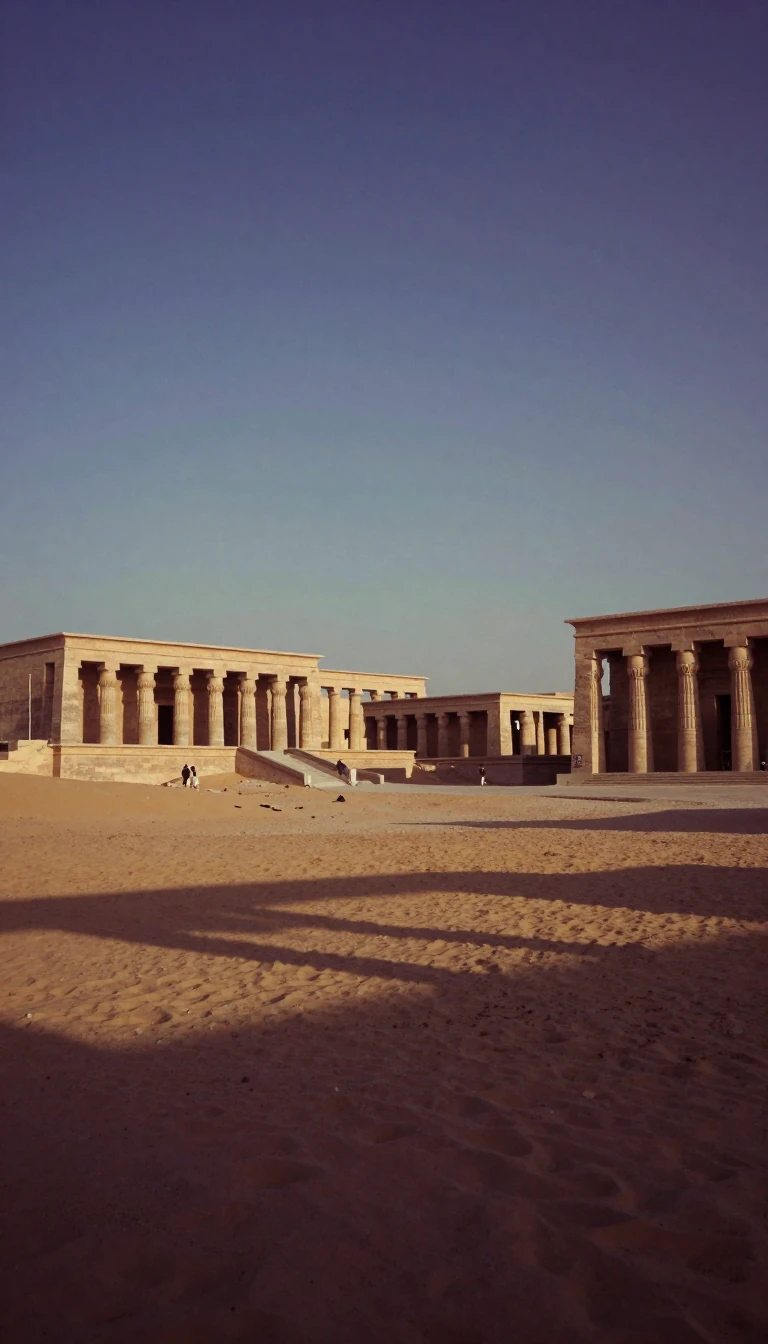
In short: An East Semitic civilization thriving in the Persian Gulf from the third millennium BC, Dilmun served as a vital commercial bridge between Mesopotamia and the Indus Valley. Beyond its economic might, this prosperous land of artesian springs became a sacred, paradisiacal fixture in Sumerian mythology, potentially influencing biblical creation stories.
Dilmun, encompassing modern-day Bahrain, Kuwait, and eastern Saudi Arabia, functioned as a critical entrepôt for thousands of years. At its peak, roughly between 2050 BC and 1600 BC, it monopolized trade routes, exchanging Mesopotamian crops and textiles for luxury goods like pearls, copper, and precious woods from distant markets. The civilization's influence was so profound that its weights and measures were adopted by the Indus Valley, distinct from those used in Southern Mesopotamia.
The region’s prosperity was fueled by a wetter climate and artesian wells, which rendered the land exceptionally fertile. This lush environment likely informed the Sumerian depiction of Dilmun as a paradise where disease and death were absent. In the epic of Enki and Ninhursag, Dilmun is the site of creation, where fresh water from the Arabian aquifer mingled with the salt waters of the Gulf. Scholars like Samuel Noah Kramer have noted striking parallels between these myths and the biblical Garden of Eden, particularly in descriptions of a harmonious natural world.
Dilmun’s history was marked by shifting political tides, moving from an independent kingdom with its own Amoritic rulers—such as Yagli-El and Rimum—to periods of subjugation under the Middle Assyrian, Neo-Assyrian, and Neo-Babylonian Empires. By the 6th century BC, the name Dilmun faded from use, replaced by the Hellenistic designation Tylos. While some archaeologists, such as Theresa Howard-Carter, have proposed alternative locations near the Shatt al-Arab, the consensus remains centered on the Gulf islands. Today, Dilmun stands as a testament to a sophisticated maritime culture that linked the ancient world’s greatest civilizations.
Opens the Intellect+ feed with this card first. Swipe up for the next one.
Sources
- Summary by Intellect · source: Dilmun
To cite this card, link to https://intellectplus.co.uk/app/history-dilmun.
How we source, check and correct cards: Editorial standards.
General information, not professional advice. Spotted an error? Flag the card or see corrections and complaints.
Intellect Plus is a visual educational discovery platform for exploring fascinating facts and ideas. Brain Food, Not Brain Rot. What is Intellect Plus?
Related
More in Ancient · More in History · Latest · A–Z · All topics
