This artificial mound in Bahrain holds five millennia of lost civilizations and trade history.
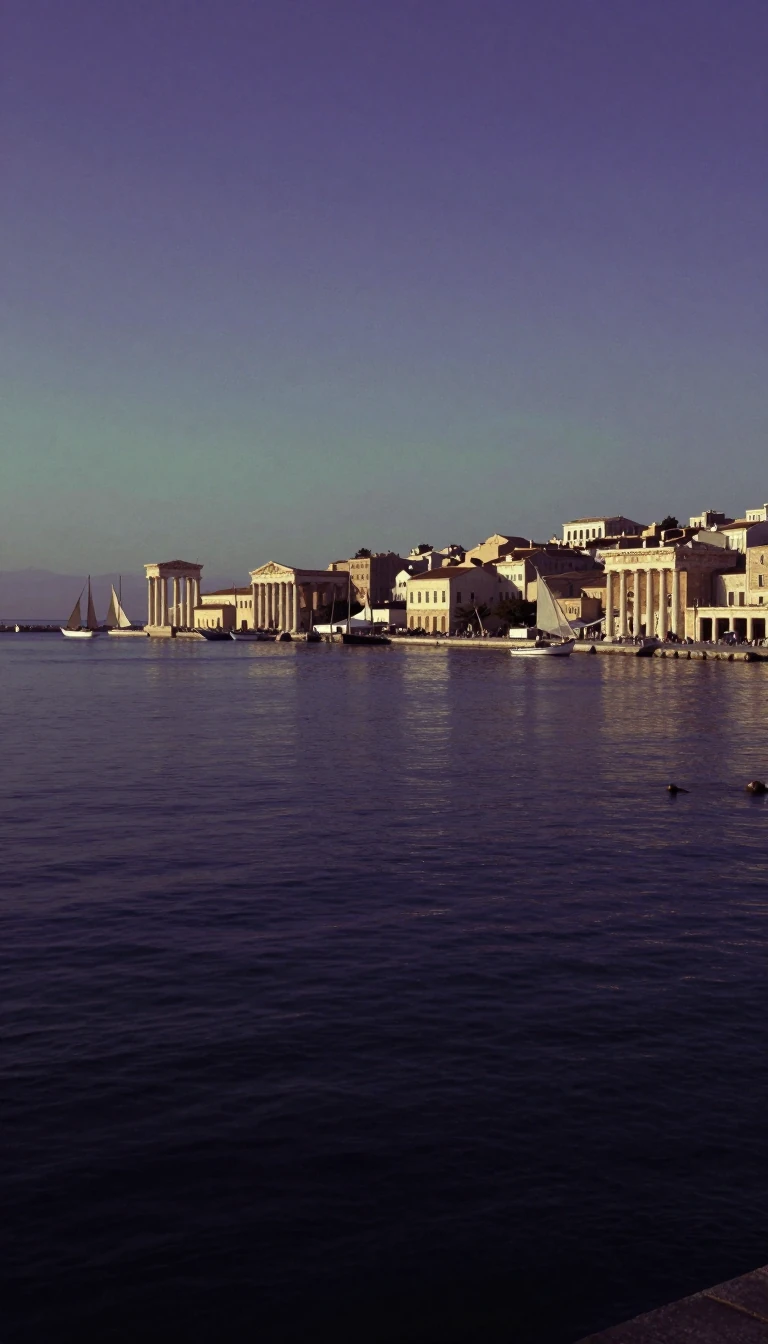
In short: Rising twelve meters above the northern coast of Bahrain, Qal'at al-Bahrain is more than a fort. It is a massive artificial tell containing seven distinct layers of human occupation. Once the capital of the legendary Dilmun civilization, this site served as a vital nexus for ancient trade across the Persian Gulf.
Qal'at al-Bahrain is a quintessential tell—a mound formed by the accumulation of debris from successive human settlements. Archaeological work, beginning in 1954 with a Danish expedition led by Geoffrey Bibby, has revealed a continuous history of occupation spanning from approximately 2300 BC to the 18th century. The site, which covers 17.5 hectares, served as the capital of the Dilmun civilization, a culture previously known only through Sumerian texts. In the Epic of Gilgamesh, Dilmun is described as the land of immortality and the ancestral home of the Sumerians.
The site's strategic importance as a trading port is evidenced by the diverse artifacts unearthed within its strata. Excavations have uncovered cuneiform tablets, copper casting workshops, and pottery linked to distant regions including Mesopotamia, Oman, and the Indus Civilization. These findings suggest that the inhabitants were sophisticated merchants who managed large-scale manufacturing and complex logistics, utilizing warehouses and wide, organized streets. The fortifications, which were frequently expanded, protected a township that supported agriculture, livestock, and maritime trade.
While the Portuguese fort—Qalʿat al-Burtughal—stands prominently on the summit, it represents only the final chapter of a much longer narrative. About 25% of the site has been excavated, revealing residential, religious, and military structures. The ruins include several necropolises and the remains of a Copper Age fortification wall. Despite its prosperity, the site faced periods of decline, including a notable desertion around 1800 BC when the area was covered by drift sand. Today, it remains a UNESCO World Heritage Site, offering a rare, tangible window into the ancient economic networks of the Persian Gulf.
Opens the Intellect+ feed with this card first. Swipe up for the next one.
Sources
- Summary by Intellect · source: Qal'at al-Bahrain
- Also: Wikidata — Qal’at al Bahrain · CC0
To cite this card, link to https://intellectplus.co.uk/app/places-qal-at-al-bahrain.
How we source, check and correct cards: Editorial standards.
General information, not professional advice. Spotted an error? Flag the card or see corrections and complaints.
Intellect Plus is a visual educational discovery platform for exploring fascinating facts and ideas. Brain Food, Not Brain Rot. What is Intellect Plus?
Related
More in World Heritage Sites · More in Countries & Cities · Latest · A–Z · All topics
