Edessa: The Ancient Mesopotamian City That Claimed to Be Impregnable Through Divine Protection
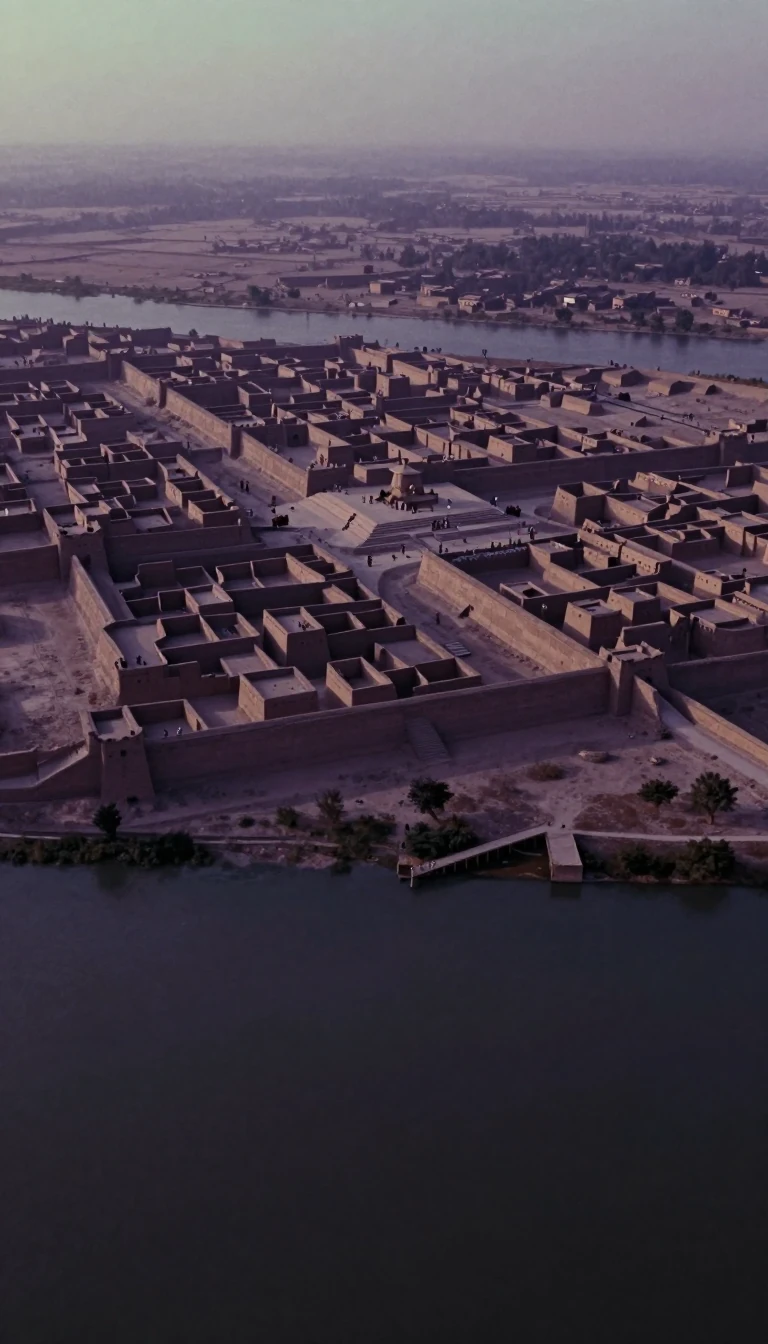
In short: Founded by a Macedonian general, Edessa became a legendary center of Christian learning and a strategic frontier fortress. For centuries, its inhabitants believed the city was shielded by a miraculous letter from Jesus himself. Yet, despite its divine reputation, the city endured a turbulent history of sieges, conquests, and shifting empires.
Established around 303 BC by Seleucus I Nicator, Edessa was a Hellenistic military settlement situated at a vital crossroads in Upper Mesopotamia. Its name, meaning 'tower in the water,' reflected its location on the Daysan River. By the second century BC, it emerged as the capital of the Kingdom of Osroene, a state that balanced Syriac and Hellenistic cultural influences for nearly four centuries.
The city gained fame in Late Antiquity as a bastion of Christian thought, hosting the renowned School of Edessa. Religious tradition deeply permeated its identity; by the fourth century, legends claimed the city was the birthplace of Abraham and that a correspondence between King Abgar V and Jesus protected its walls. This belief was so potent that even the historian Procopius noted the inscription of the 'Letter of Jesus' on the city gates as a source of its impregnability.
Despite these spiritual defenses, Edessa was a frequent prize in the Roman–Persian wars. It witnessed the catastrophic 260 Battle of Edessa, where the Sasanian king Shapur I captured the Roman emperor Valerian. The city later fell to the Rashidun Caliphate in 638, changed hands between Byzantines and various Islamic dynasties, and served as the capital of a Crusader state until its brutal sack by Imad al-Din Zengi in 1144. By the time it was absorbed into the Ottoman Empire in 1517, the city had been transformed many times over.
The city's legacy is preserved in its status as a cradle of Syriac literature and its complex demographic shifts. From a population of 35,000 in the 11th century to its eventual decline and later recovery under Ottoman rule, Edessa remained a site of profound historical significance. Today, it is known as Şanlıurfa, a name that continues to echo its ancient, multi-layered past.
Opens the Intellect+ feed with this card first. Swipe up for the next one.
Sources
- Summary by Intellect · source: Edessa
- Also: www.britannica.com — Edessa | Byzantine City, Ancient Ruins, Waterfalls | Britannica
To cite this card, link to https://intellectplus.co.uk/app/history-edessa.
How we source, check and correct cards: Editorial standards.
General information, not professional advice. Spotted an error? Flag the card or see corrections and complaints.
Intellect Plus is a visual educational discovery platform for exploring fascinating facts and ideas. Brain Food, Not Brain Rot. What is Intellect Plus?
Related
More in Empires & civilisations · More in History · Latest · A–Z · All topics
