Ephesus was a shifting metropolis that survived earthquakes, sieges, and the loss of its sea
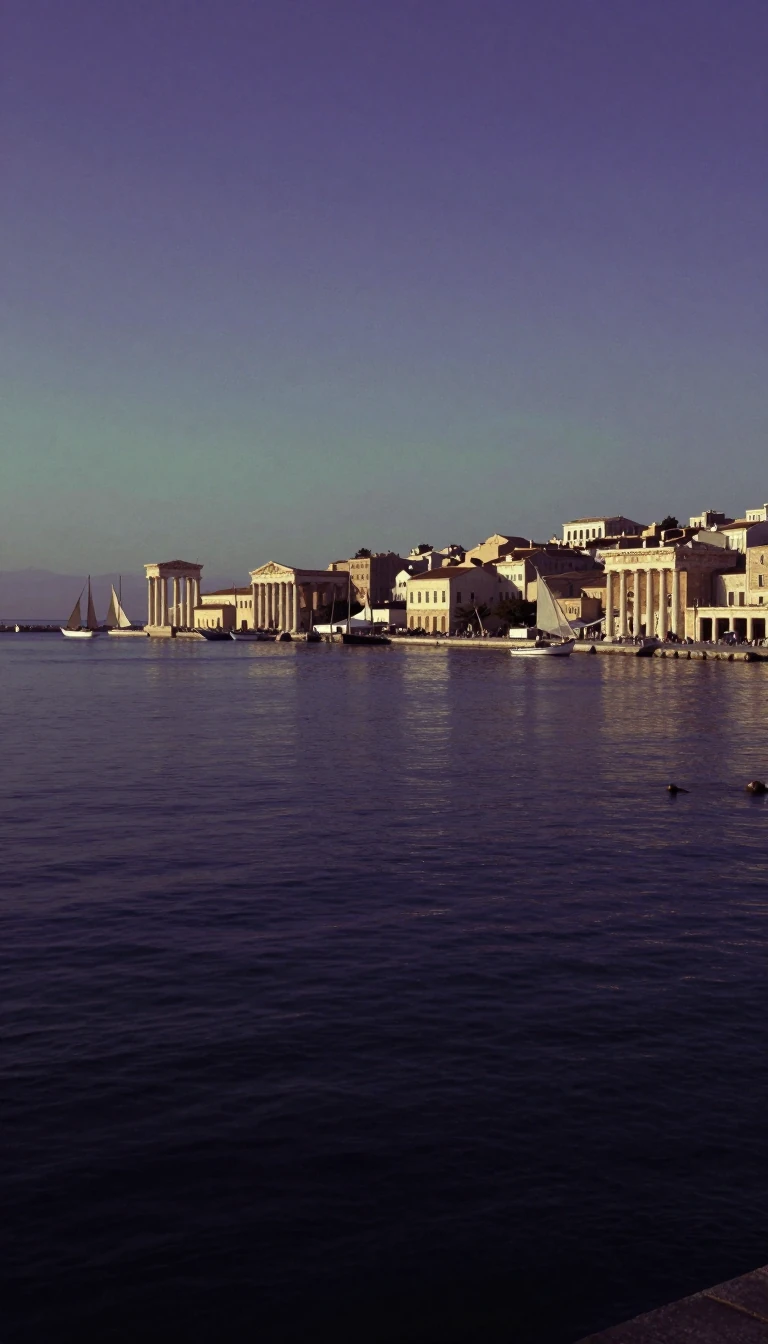
In short: Once a premier Greek colony and later a Roman capital, Ephesus was a city defined by its constant reinvention. From its legendary origins to its role as a major religious hub, it thrived as a commercial powerhouse before the relentless silting of its harbour forced it into a slow, inevitable decline.
Founded in the 10th century BC by Ionian colonists, Ephesus was built near the site of the older settlement Apasa. Its early history was marked by shifting alliances, including a period of influence under the Lydian kingdom. By the Roman era, the city had become the capital of proconsular Asia, with some ancient accounts ranking it second only to Rome in size and importance. Its architectural legacy was anchored by the massive Temple of Artemis, a structure so significant it was celebrated as one of the seven wonders of the ancient world.
The city's geography was both its greatest asset and its ultimate undoing. As a major port, it facilitated vast trade networks, yet the Küçükmenderes River continuously deposited sediment, pushing the coastline further away. This environmental shift, combined with military destruction—including a devastating Gothic raid in 263 AD and a major earthquake in 614 AD—gradually eroded its status. By the time the city fell to the Menteşoğulları Beylik in 1304, its once-thriving harbour had become a distant memory, leaving the city isolated from the Aegean Sea.
Ephesus was also a vital center for early Christianity, hosting significant councils and serving as a recipient of Pauline epistles. Despite its eventual abandonment, the site remains a testament to the endurance of ancient urban centers. Modern archaeological efforts have revealed layers of history ranging from Neolithic mounds to the ruins of the Library of Celsus, providing a window into a civilization that navigated the complex intersection of Anatolian, Greek, and Roman cultures for over two millennia.
Opens the Intellect+ feed with this card first. Swipe up for the next one.
Sources
- Summary by Intellect · source: Ephesus
To cite this card, link to https://intellectplus.co.uk/app/history-ephesus.
How we source, check and correct cards: Editorial standards.
General information, not professional advice. Spotted an error? Flag the card or see corrections and complaints.
Intellect Plus is a visual educational discovery platform for exploring fascinating facts and ideas. Brain Food, Not Brain Rot. What is Intellect Plus?
Related
More in Empires & civilisations · More in History · Latest · A–Z · All topics
