The 18th-century preacher who became a global celebrity through the power of his voice.
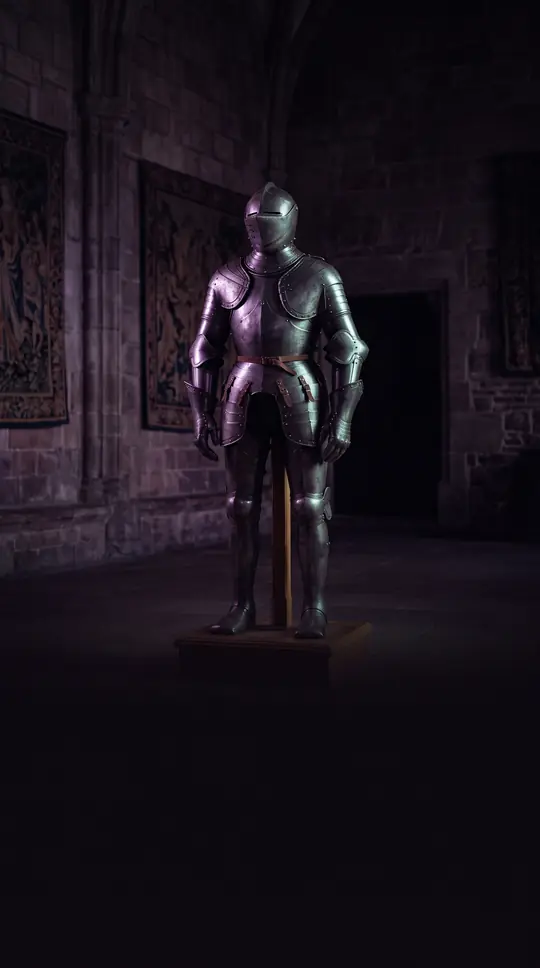
In short: George Whitefield was a theatrical Anglican priest who transformed evangelism into a mass-media spectacle. By preaching to millions across the British Empire, he became one of the first true celebrities of the American colonies, using his dramatic flair and a sophisticated publicity machine to reach audiences of tens of thousands.
Born in 1714 in Gloucester, England, George Whitefield rose from humble beginnings as an inn servant to become a central figure of the Great Awakening. After studying at Oxford and joining the Holy Club, he broke from traditional parish ministry to become an itinerant preacher. His sermons were legendary, characterized by a potent mix of religious fervor and theatrical performance that could captivate crowds as large as 80,000 people. Benjamin Franklin, a close friend and publisher of Whitefield’s sermons, famously calculated that the preacher’s voice could carry over 500 feet, allowing him to address massive open-air congregations.
Whitefield’s influence extended far beyond the pulpit. He was a master of self-promotion, employing advance men to distribute handbills and publishing his autobiographical journals to craft a carefully curated public image. His ministry was deeply tied to his Bethesda Orphanage in Georgia, a project he viewed as his life's work. However, his legacy remains complex. While he was an outspoken critic of the cruelty plantation owners inflicted upon slaves, he was also a slaveholder himself who actively campaigned for the legalization of slavery in Georgia, arguing it was necessary for the colony's economic prosperity and the orphanage's financial survival.
Throughout his life, Whitefield made seven voyages to North America, preaching at least 18,000 times across the British Empire. His theological stance—a firm Calvinism—often put him at odds with the Wesley brothers, yet his impact on the evangelical movement was profound. He died in 1770 in Newburyport, Massachusetts, leaving behind a complicated history that includes the founding of institutions like the University of Pennsylvania and a lasting, if controversial, reputation as a pioneer of mass-market religious communication.
Opens the Intellect+ feed with this card first. Swipe up for the next one.
Sources
- Summary by Intellect · source: George Whitefield
- Also: The Met — George Whitefield · CC0
To cite this card, link to https://intellectplus.co.uk/app/history-george-whitefield.
How we source, check and correct cards: Editorial standards.
General information, not professional advice. Spotted an error? Flag the card or see corrections and complaints.
Intellect Plus is a visual educational discovery platform for exploring fascinating facts and ideas. Brain Food, Not Brain Rot. What is Intellect Plus?
Related
More in Empires & civilisations · More in History · Latest · A–Z · All topics
