Why a failed naval gamble at Gallipoli became a defining moment for modern Turkey
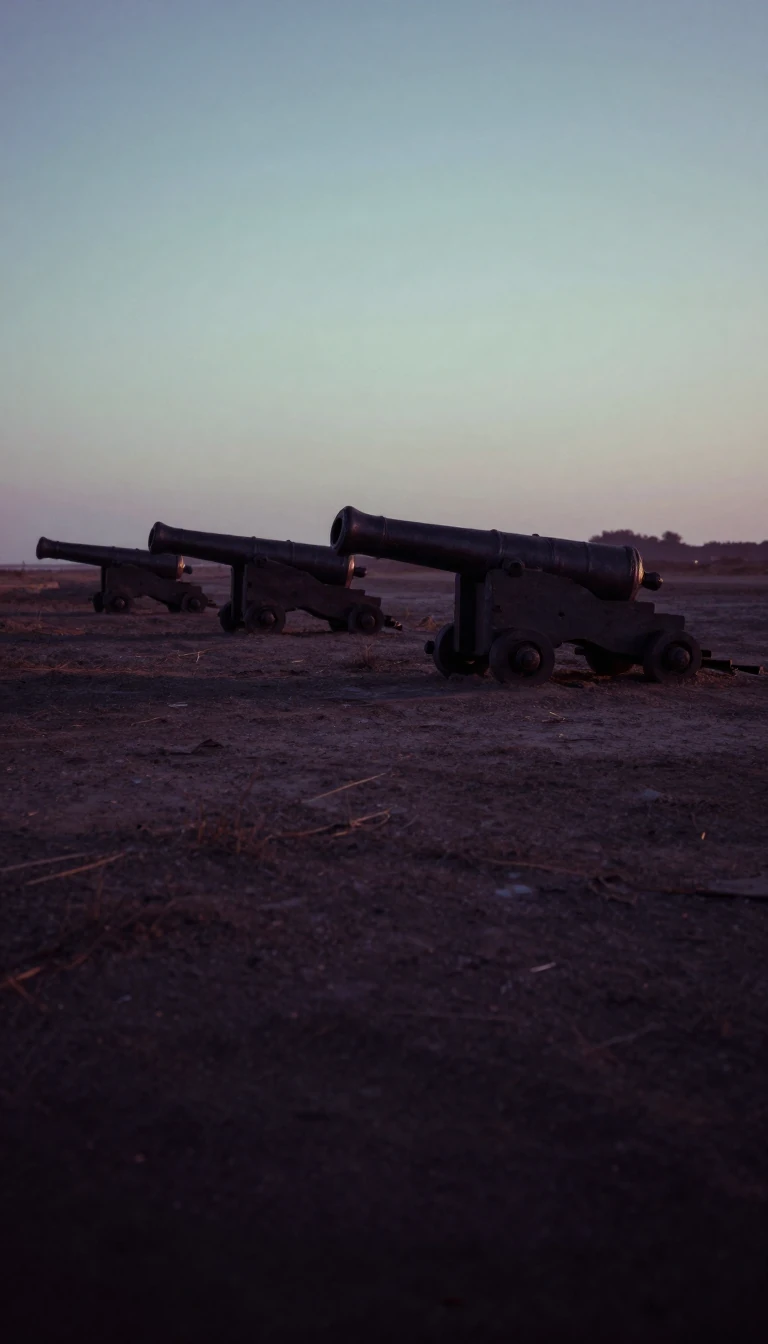
In short: The 1915 Gallipoli campaign was intended to force the Ottoman Empire out of the First World War. Instead, it became a brutal, year-long stalemate that claimed 500,000 lives. While the Allied powers retreated in defeat, the conflict forged a new national identity for Turkey and solidified the legend of the ANZACs.
The campaign began as a strategic attempt by the Allied powers—Britain, France, and Russia—to seize the Turkish straits. By capturing the Dardanelles and bombarding Constantinople, the Allies hoped to secure warm-water supply routes to Russia and knock the Ottoman Empire out of the war. Winston Churchill, then First Lord of the Admiralty, championed the naval assault, believing obsolete battleships could force the passage. However, after a disastrous naval attempt on 18 March 1915, where multiple ships were sunk by mines and artillery, the Allies shifted to an amphibious invasion.
The land campaign, which began on 25 April 1915, was plagued by poor intelligence and underestimation of Ottoman resolve. Allied commanders relied on outdated maps and even travel guides, while the Ottomans, led by General Otto Liman von Sanders, utilized the rugged, broken terrain to their advantage. Despite the Allies landing 78,000 men in the Mediterranean Expeditionary Force, they failed to secure the high ground. The Ottoman 5th Army, bolstered by Mustafa Kemal’s 19th Division, contained the invaders in narrow beachheads. By the time the campaign was abandoned on 9 January 1916, both sides had suffered approximately 250,000 casualties each.
For Turkey, the victory was a turning point that propelled Mustafa Kemal Atatürk to prominence; he would later found the Republic of Turkey in 1923. For Australia and New Zealand, the landings at Gallipoli became the foundation of national consciousness, commemorated annually on 25 April as Anzac Day. The campaign remains a study in the failure of strategic planning, where a lack of coordination, reliance on erroneous reports, and the inability to adapt to defensive mobility turned a calculated gamble into a costly, defining tragedy for all involved.
Opens the Intellect+ feed with this card first. Swipe up for the next one.
Sources
- Summary by Intellect · source: Gallipoli campaign
To cite this card, link to https://intellectplus.co.uk/app/history-gallipoli-campaign.
How we source, check and correct cards: Editorial standards.
General information, not professional advice. Spotted an error? Flag the card or see corrections and complaints.
Intellect Plus is a visual educational discovery platform for exploring fascinating facts and ideas. Brain Food, Not Brain Rot. What is Intellect Plus?
Related
More in Empires & civilisations · More in History · Latest · A–Z · All topics
