Before Colonial Borders, Powerful West African Kingdoms Built a Complex Commodity Economy
In short: Long before European powers carved out the modern state of Benin, the region was a vibrant mosaic of independent kingdoms. These societies were not isolated; they operated sophisticated iron-smelting industries and expansive trade networks, challenging the idea that the area only gained political structure through external intervention.
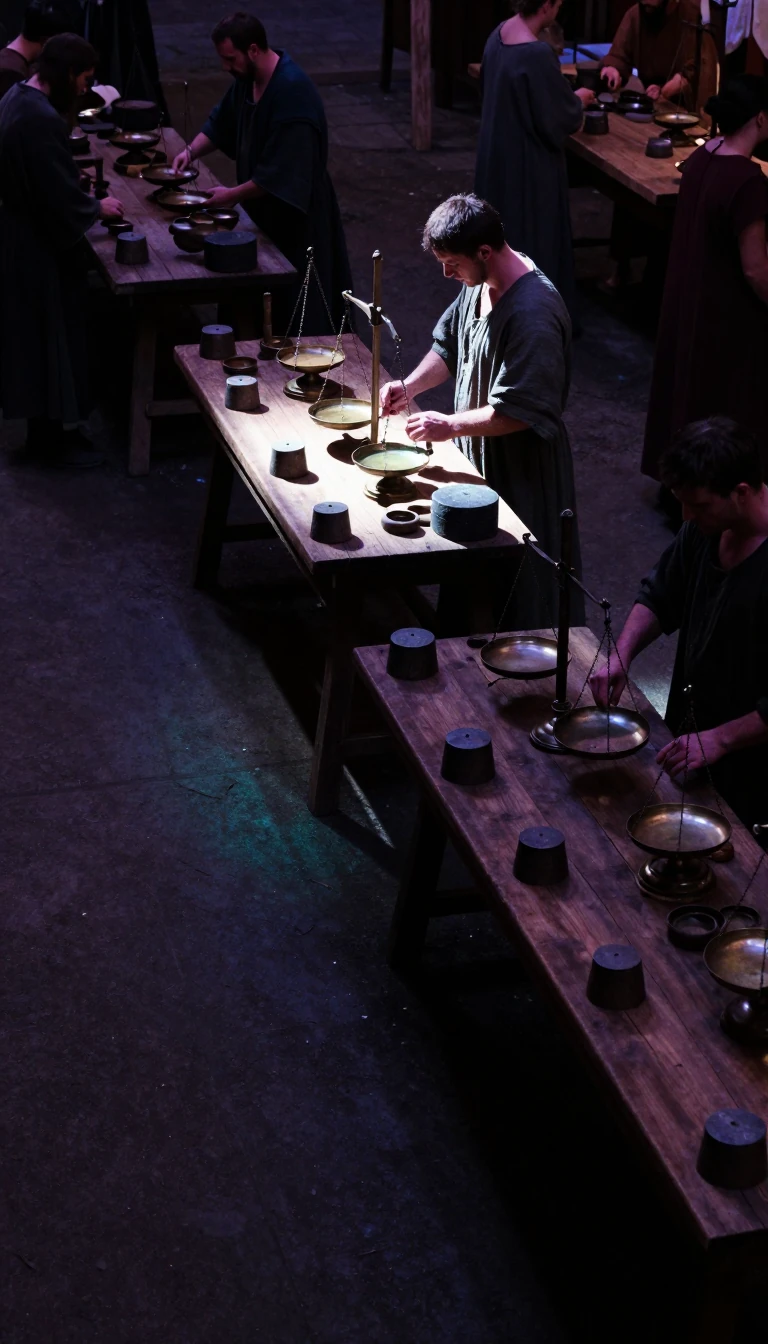
Archaeological evidence reveals that the Abomey Plateau supported settled communities as far back as the seventh century BC. By the second millennium, these populations had developed advanced iron production, with output reaching industrial scales between 1400 and 1600. This economic engine supported a network of markets at hubs like Savi and Jakin, where salt, textiles, and iron were exchanged long before the arrival of European ships.
The region’s political landscape was defined by a collection of independent states, including the Bariba in the north and the Ewe-speaking peoples in the south. Many of these polities, such as the kingdom of Allada, shared cultural traditions that traced their origins to the town of Tado. While dynastic narratives often claimed descent from this site to legitimize rulers, historians suggest these stories functioned more as political tools to unify diverse lineages under a shared identity.
The rise of Dahomey in the 17th century transformed this landscape. Originally a dependency of Allada, Dahomey emerged as a militaristic power under rulers like Agaja, who conquered coastal centers to dominate the Atlantic trade. By the 18th century, the region became known as the Slave Coast, with the kingdom of Ouidah serving as a primary hub. This era of intense commerce and conflict fundamentally reshaped the social fabric, eventually leading to the French establishing control over these territories in the late 1800s.
The legacy of this period remains deeply embedded in the region's history. The militarization of society and the displacement caused by the slave trade left a lasting impact, yet the cultural influence of these kingdoms persists globally. Elements of the spiritual practices of the Ewe-speaking peoples, for instance, traveled across the Atlantic, surviving today within the voodoo religion of Haiti.
Opens the Intellect+ feed with this card first. Swipe up for the next one.
Sources
- Summary by Intellect · source: History of Benin | Dahomey, Independence, Events, People, Dates, & Facts | Britannica
- Also: History of Benin
To cite this card, link to https://intellectplus.co.uk/app/history-history-of-benin.
How we source, check and correct cards: Editorial standards.
General information, not professional advice. Spotted an error? Flag the card or see corrections and complaints.
Intellect Plus is a visual educational discovery platform for exploring fascinating facts and ideas. Brain Food, Not Brain Rot. What is Intellect Plus?
Related
More in History by country, small region and city · More in History · Latest · A–Z · All topics
