How a 1609 shipwreck transformed a remote, uninhabited reef into a British colonial hub.
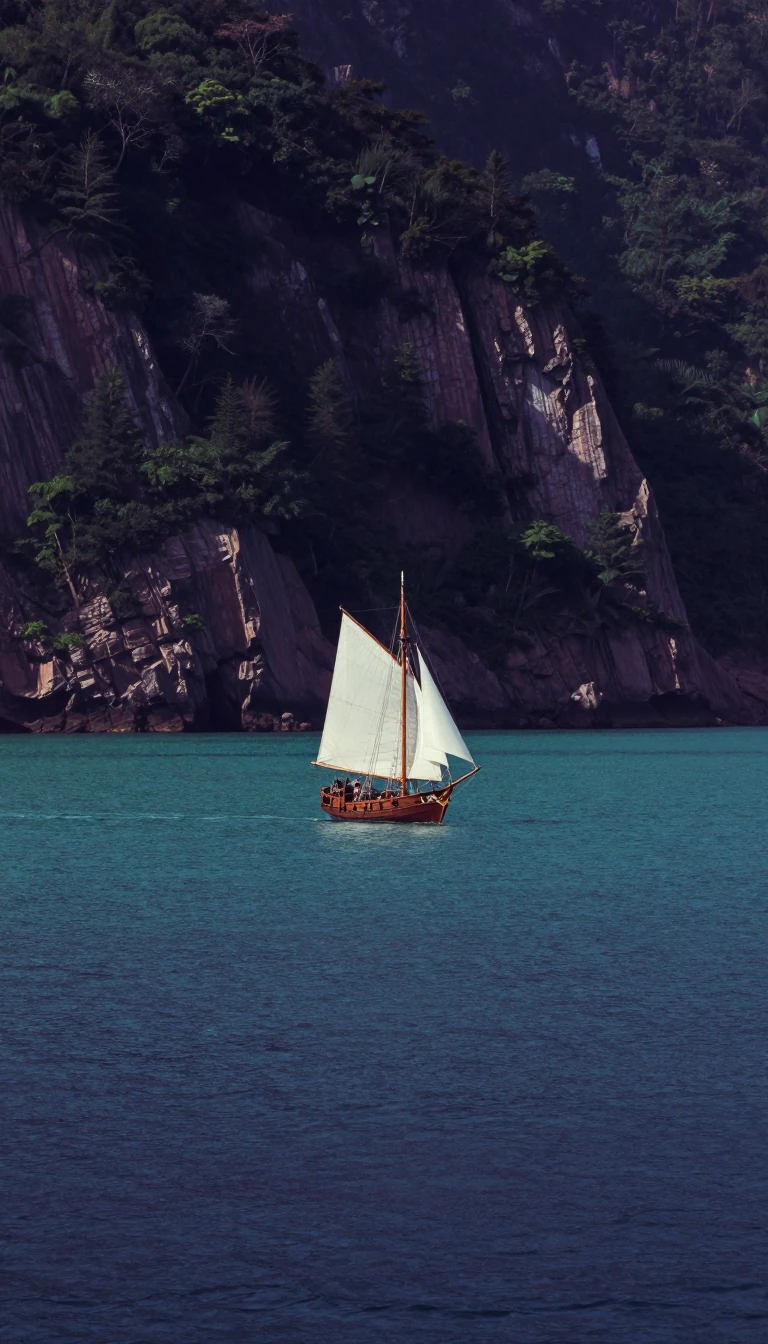
In short: When the Sea Venture struck Bermuda’s reefs in 1609, it was a disaster for the Virginia Company. Yet, the stranded survivors discovered a lifeline in the island’s wild hogs and resources. This accidental settlement sparked a unique maritime history, eventually evolving from a tobacco-focused colony into a global salt-trading powerhouse.
Bermuda’s history began with uncertainty. While Spanish explorer Juan de Bermúdez likely encountered the islands in the early 16th century, the Spanish viewed the reefs as a navigational hazard, labeling the archipelago Demoniorum Insulam. It remained uninhabited until 1609, when the Sea Venture, carrying supplies for the struggling Jamestown colony, was intentionally run aground to prevent sinking. The 150 survivors spent nine months building two new ships, the Deliverance and the Patience, from local cedar, eventually reaching Virginia to find the colony decimated by the Starving Time.
The island’s formal development began in 1612 with the arrival of sixty settlers. Initially, the Virginia Company and its successor, the Somers Isles Company, attempted to build an economy on tobacco. However, limited land and soil exhaustion forced a shift toward maritime pursuits. By the late 17th century, Bermudians had established a lucrative salt-raking industry in the Turks Islands. This venture relied on seasonal labor, including enslaved Bermudians, to harvest salt from natural pans for export to the American colonies.
The salt trade was fraught with conflict. Bermudians faced constant territorial disputes with the Bahamas, as well as attacks from French and Spanish privateers. Despite these challenges, the industry flourished until the early 19th century, when a combination of war, hurricanes, and shifting market demand led to its decline. By 1819, the British government transferred political control of the Turks Islands to the Bahamas, marking the end of Bermuda’s salt-trading era. Throughout this period, the island’s social structure was deeply shaped by slavery, a system that persisted until the 1834 Empire-wide emancipation, famously documented by the formerly enslaved Mary Prince.
Today, Bermuda holds the distinction of being the oldest remaining British colony, a status solidified after Newfoundland joined Canada in 1949. It transitioned to a British Overseas Territory in 2002. From its origins as a accidental refuge for shipwrecked sailors to its role as a strategic maritime hub, Bermuda’s development reflects the complex, often brutal realities of colonial expansion and the resilience of those who built its economy.
Opens the Intellect+ feed with this card first. Swipe up for the next one.
Sources
- Summary by Intellect · source: History of Bermuda
To cite this card, link to https://intellectplus.co.uk/app/history-history-of-bermuda.
How we source, check and correct cards: Editorial standards.
General information, not professional advice. Spotted an error? Flag the card or see corrections and complaints.
Intellect Plus is a visual educational discovery platform for exploring fascinating facts and ideas. Brain Food, Not Brain Rot. What is Intellect Plus?
Related
More in History by country, small region and city · More in History · Latest · A–Z · All topics
