Central America is a narrow, volcanic bridge defined by deep cultural and geographic divides.
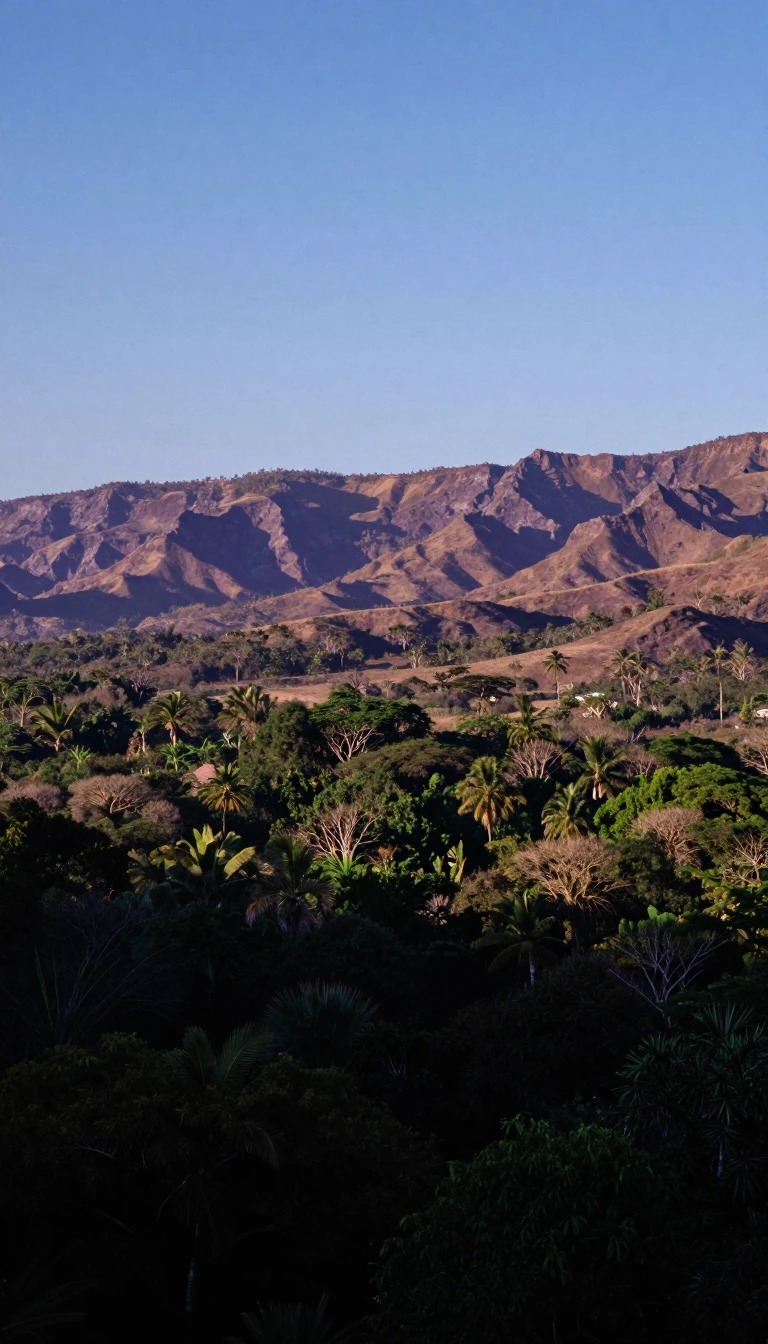
In short: Spanning seven nations, Central America is a complex isthmus where tropical rainforests meet rugged volcanic peaks. While often viewed as a singular region, it is a mosaic of diverse indigenous roots, colonial legacies, and modern economic struggles, shaped by a history of isolation that persists even in the age of global connectivity.
Geographically, Central America is a tapering land bridge stretching roughly 1,140 miles between Mexico and South America. At its narrowest point, the isthmus is only 30 miles wide, ensuring no location is more than 125 miles from the sea. Despite this proximity to the coast, four-fifths of the region is mountainous or hilly. The Pacific side is dominated by volcanic cones reaching over 12,000 feet, which provide fertile soil for dense populations, while the Caribbean side remains characterized by humid lowlands and higher rainfall.
The region's human history is equally varied. During the pre-Columbian era, the north was home to the Maya and Aztec empires, while the south was culturally distinct, influenced by Chibchan-speaking groups. Following the 16th-century Spanish conquest, the Captaincy General of Guatemala served as the administrative center for most of the region until 1821. This colonial period established Spanish as the dominant language and Catholicism as the primary religion, though both have seen significant shifts in recent decades, with Protestantism growing rapidly and indigenous languages remaining vital in countries like Guatemala.
Economic development has historically relied on agricultural exports, shifting from coffee and bananas in the mid-19th century to include cotton, sugar, and beef after World War II. However, the region has faced profound instability. The 1980s were marked by economic stagnation, civil wars, and high inflation, forcing many nations to seek international financial aid. Today, the region remains fragmented; a lack of integrated infrastructure, such as railroads or cross-border highways, continues to isolate these nations from one another, complicating efforts to achieve the kind of political and economic unity seen in other parts of the world.
Opens the Intellect+ feed with this card first. Swipe up for the next one.
Sources
- Summary by Intellect · source: Central America | Countries, History, Geography, Language, Culture, & Maps | Britannica
- Also: History of Central America
To cite this card, link to https://intellectplus.co.uk/app/history-history-of-central-america.
How we source, check and correct cards: Editorial standards.
General information, not professional advice. Spotted an error? Flag the card or see corrections and complaints.
Intellect Plus is a visual educational discovery platform for exploring fascinating facts and ideas. Brain Food, Not Brain Rot. What is Intellect Plus?
Related
More in History by continent and large region · More in History · Latest · A–Z · All topics
