The cradle of humanity and a crossroads of global trade
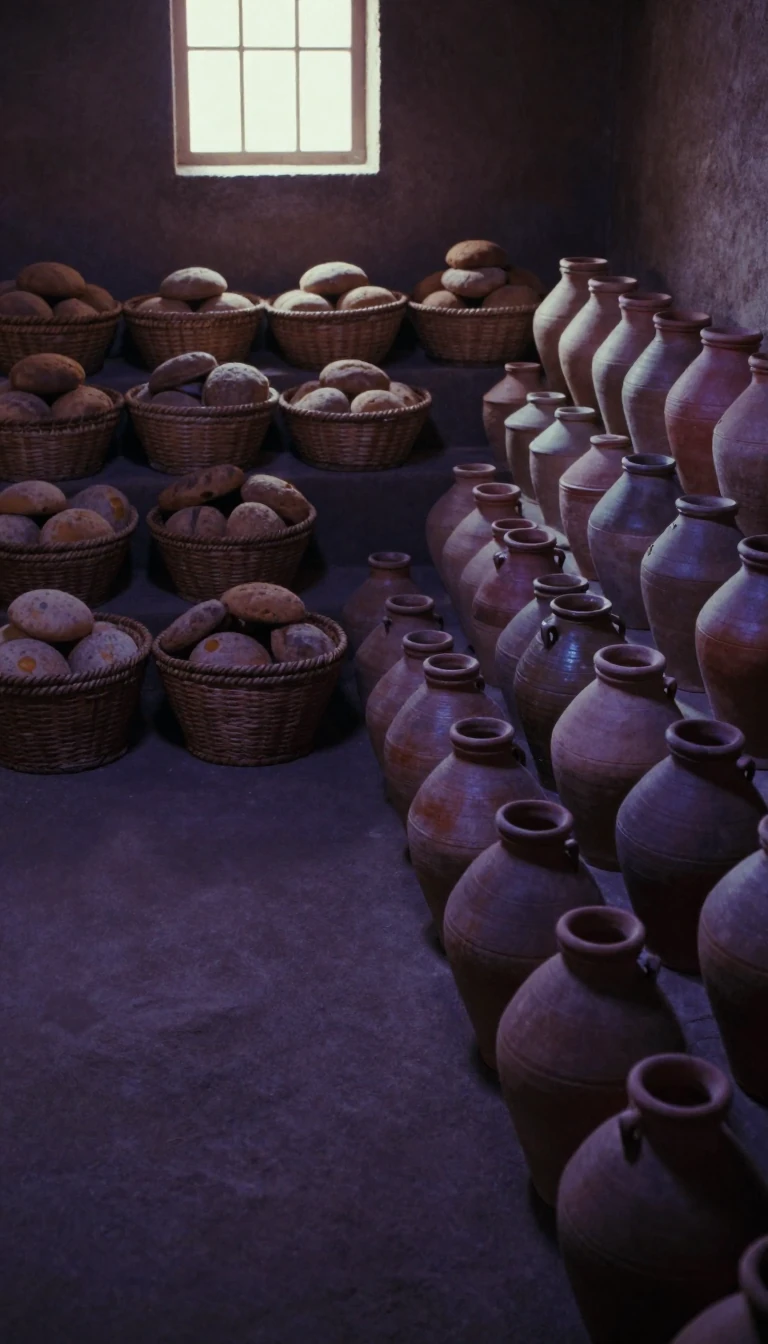
In short: Eastern Africa is not just a geographic region; it is the birthplace of our species. From the first anatomically modern humans 200,000 years ago to the complex kingdoms of the Great Lakes, this land has functioned as a primary artery for human migration, technological innovation, and global commerce.
Eastern Africa served as the foundational site for human evolution. Archaeological evidence confirms that anatomically modern humans appeared in the region as early as 200,000 years ago. This deep history is punctuated by significant cultural shifts, such as the migration of Saharan herders between 8,000 and 2,000 years before present (BP). These migrants brought monumental burial traditions to the East, illustrating how environmental changes—like the transition from the 'Green Sahara' period to more arid conditions—shaped human movement and cultural preservation.
The region’s technological narrative is defined by native African innovations. Archaeometallurgical knowledge originated in several centers across the continent, including East Africa. In Nubia, records of bloomery-type furnaces date back to between the 7th and 6th centuries BC. These ancient bloomeries produced metal tools for the Nubians and Kushites, creating an economic surplus that supported early complex societies. This highlights a history of sophisticated engineering long before European arrival.
By the pre-colonial era, the region was characterized by diverse linguistic groups—including Cushitic, Semitic, and Bantu speakers—and significant agricultural development. The interlacustrine area around the great lakes saw the rise of prominent kingdoms. However, this complexity was later overlaid by colonial interests in the late 19th century. The Anglo-German treaty of 1890 serves as a primary example of how European powers partitioned the land, establishing boundaries that often ignored existing ethnic and cultural lines.
The transition to modernity was marked by decolonization in the early 1960s. While the colonial era introduced new political structures, it also highlighted unique local dynamics, such as the role of 'askaris' (European-trained African troops) in German East Africa. Today, the region remains a testament to human endurance and the enduring legacy of its role as a global crossroads.
Opens the Intellect+ feed with this card first. Swipe up for the next one.
Sources
- Summary by Intellect · source: History of eastern Africa | Britannica
- Also: History of East Africa
To cite this card, link to https://intellectplus.co.uk/app/history-history-of-east-africa.
How we source, check and correct cards: Editorial standards.
General information, not professional advice. Spotted an error? Flag the card or see corrections and complaints.
Intellect Plus is a visual educational discovery platform for exploring fascinating facts and ideas. Brain Food, Not Brain Rot. What is Intellect Plus?
Related
More in History by continent and large region · More in History · Latest · A–Z · All topics
