From Neolithic settlements to freeways: How human needs shape our world.
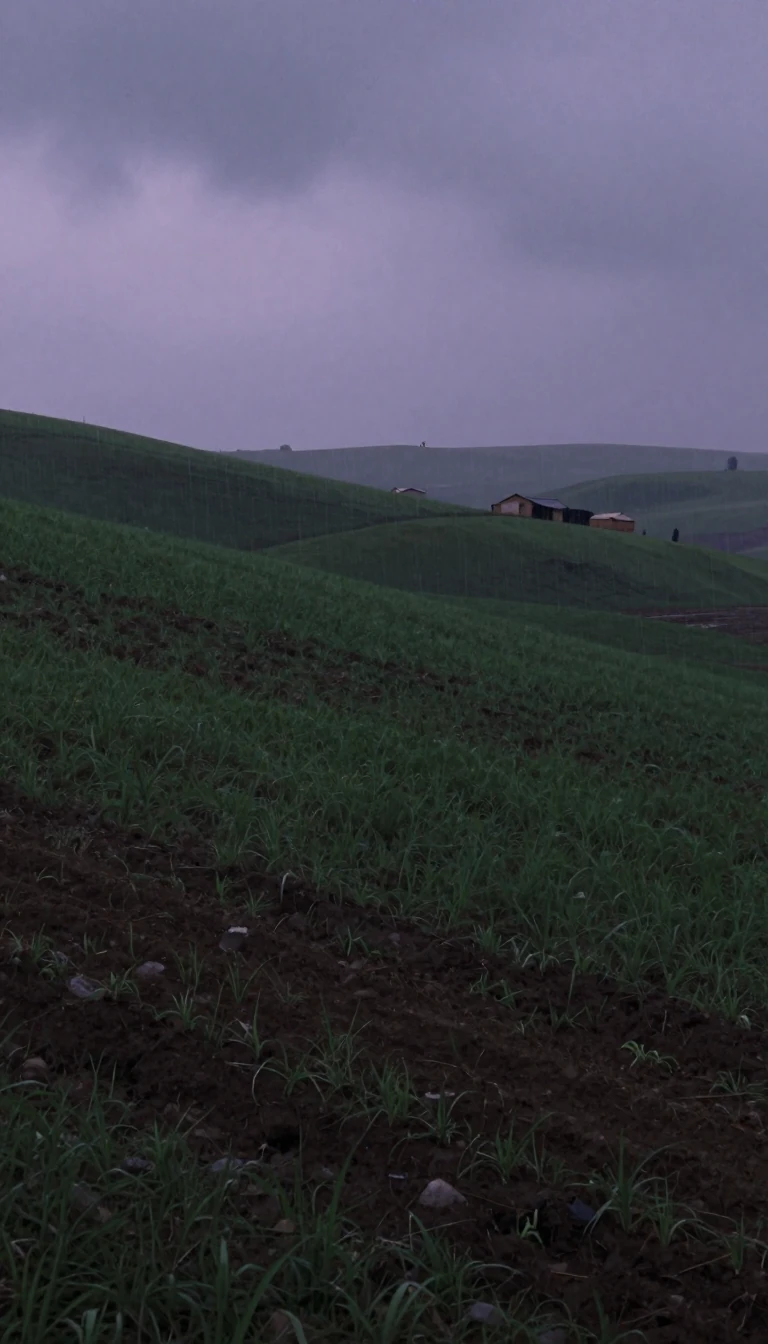
In short: The concept of the built environment encompasses far more than just buildings. It is a dynamic interplay between physical structures, human activity, and deep societal needs. Understanding this scope reveals how our desires have fundamentally reshaped the planet.
The scope of the built environment is vast, encompassing not only traditional structures like buildings and cities but also conceptual elements such as farmlands, dammed rivers, and even domesticated animals. This interdisciplinary field draws from areas including sociology, anthropology, public health, and law, examining how these physical conditions shape human function and social outcomes, such as socioeconomic inequity and food access. The term itself was coined in the 1980s, contrasting with the 'unbuilt' world, though the underlying concept has roots stretching back to classical antiquity.
Historically, the first significant alteration of the environment occurred around 12,000 years ago with the Neolithic Revolution, which favored permanent settlements and the cultivation of crops. Early cities, appearing around 7500 BCE, initially prioritized meeting basic survival needs through the implementation of paths, buildings, and farmed land. As these communities matured, the focus gradually shifted from mere survival to accommodating comfort and desires, a trend that continues to influence modern development.
Major shifts in the built environment followed periods of intense growth. The Industrial Revolution, fueled by factory demands, caused rapid urban expansion from the 1880s to the early 1900s, leading to issues like pollution and sanitation crises. Responses, such as the City Beautiful movement in the 1890s, promoted civic centers and improved circulation. Later, the mass accessibility of automobiles, spurred by innovations like Henry Ford's assembly line in the 1920s, necessitated new infrastructure, leading to the construction of freeways starting in 1956. This ease of personal travel allowed the built environment to expand far beyond traditional city borders into suburbs.
Today, the built environment is understood as an interrelated whole, where elements act together via a multiplier effect. While roads and highways are often compared to the cardiovascular system for circulating materials, the quality of pedestrian circulation and public transportation remains vital for human-scale access. The constant evolution shows that human needs—whether for basic sustenance or for modern convenience—are the primary drivers reshaping our physical world.
Opens the Intellect+ feed with this card first. Swipe up for the next one.
Sources
- Summary by Intellect · source: Built environment
To cite this card, link to https://intellectplus.co.uk/app/design-built-environment.
How we source, check and correct cards: Editorial standards.
General information, not professional advice. Spotted an error? Flag the card or see corrections and complaints.
Intellect Plus is a visual educational discovery platform for exploring fascinating facts and ideas. Brain Food, Not Brain Rot. What is Intellect Plus?
Related
More in Architecture · More in Design · Latest · A–Z · All topics
