How a massive Sasanian wall used Byzantine gold to seal the Caucasus Mountains shut
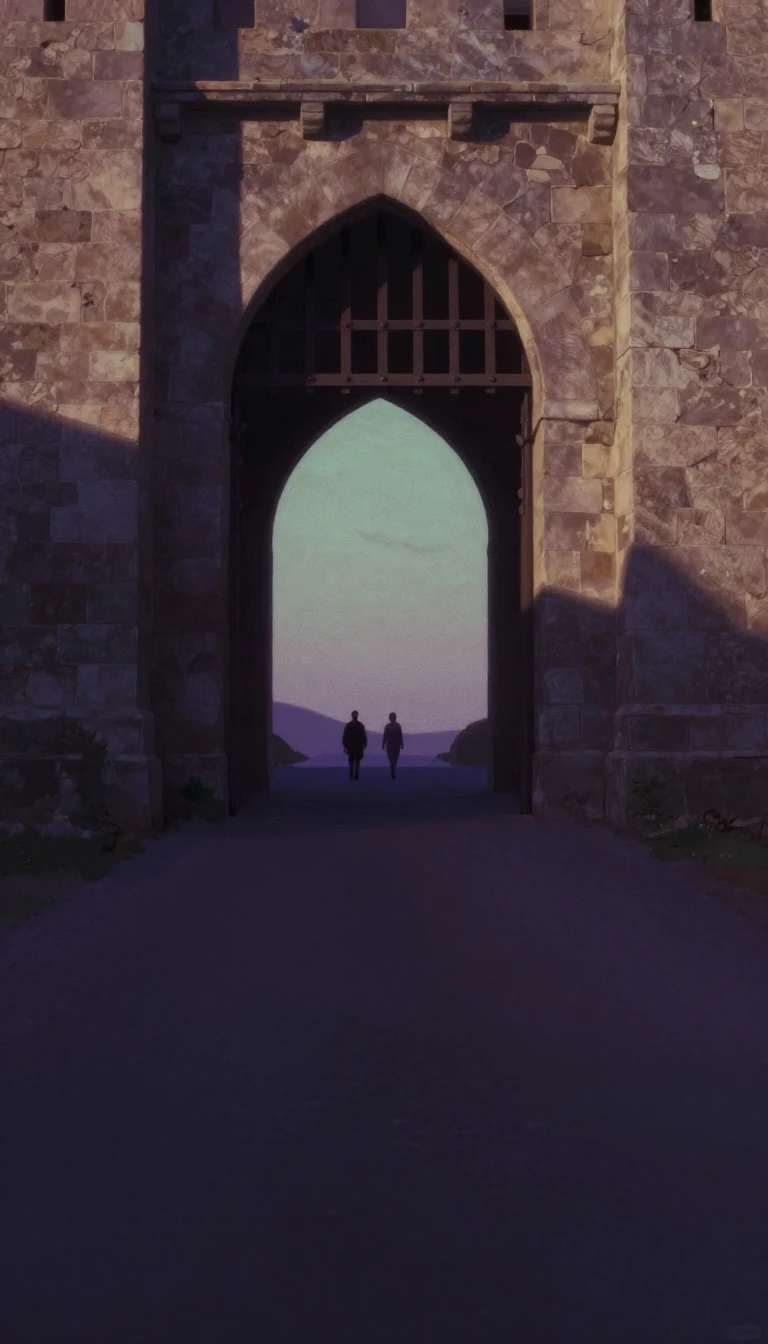
In short: The Derbent fortifications were a feat of ancient engineering designed to block nomadic incursions from the north. Built by the Sasanian Empire, this complex of walls and citadels was so expensive it reportedly drained the Persian treasury, yet it was partially funded by tribute payments from the Byzantine Empire.
The Derbent fortifications, a UNESCO World Heritage site since 2003, represent a monumental defensive system located at the 'Caspian Gates.' This strategic passage between the Caspian Sea and the Caucasus Mountains served as a critical boundary between the agrarian societies of the south and the nomadic peoples of the Pontic–Caspian steppe. While archaeological evidence suggests a fortified settlement existed on the site as early as the 8th century BCE, the massive stone complex seen today was primarily a product of the Sasanian Empire in the 6th century CE.
The construction is most famously associated with the Persian Emperor Khosrow I. While some historical writers attributed the project to his predecessors, Kavad I or Peroz, modern analysis of administrative inscriptions—specifically those mentioning the amargar of Ādurbādagān in 568—supports the view that the major construction phase was initiated under Khosrow I. The scale of the work was immense, featuring the Naryn-Kala citadel, twin walls reaching the sea, and the Dagh-Bary mountain wall, which stretched for forty kilometers. Some historians, such as Kudeyavtsev, have argued that the sheer volume of masonry, estimated at 2 million cubic metres, implies the project spanned a much longer duration than a single reign.
The financial burden of this project was significant. The Armenian writer Movses Kalankatuaci recorded that the Persian kings were financially 'bled out' by the costs. However, the Sasanians found a clever source of funding in their rival, the Byzantine Empire. Under the peace treaty of 561, Byzantium was obligated to pay Iran 30 thousand solids annually for 50 years, with an immediate tribute for the first seven years. This influx of gold allowed the Sasanians to transform Derbent into the peak of defensive architecture for its epoch, effectively securing their northern frontier against groups like the Alans and Savirs.
Opens the Intellect+ feed with this card first. Swipe up for the next one.
Sources
- Summary by Intellect · source: Fortifications of Derbent
To cite this card, link to https://intellectplus.co.uk/app/places-fortifications-of-derbent.
How we source, check and correct cards: Editorial standards.
General information, not professional advice. Spotted an error? Flag the card or see corrections and complaints.
Intellect Plus is a visual educational discovery platform for exploring fascinating facts and ideas. Brain Food, Not Brain Rot. What is Intellect Plus?
Related
More in World Heritage Sites · More in Countries & Cities · Latest · A–Z · All topics
