Derbent is the ancient gateway between the Caspian Sea and the Caucasus Mountains
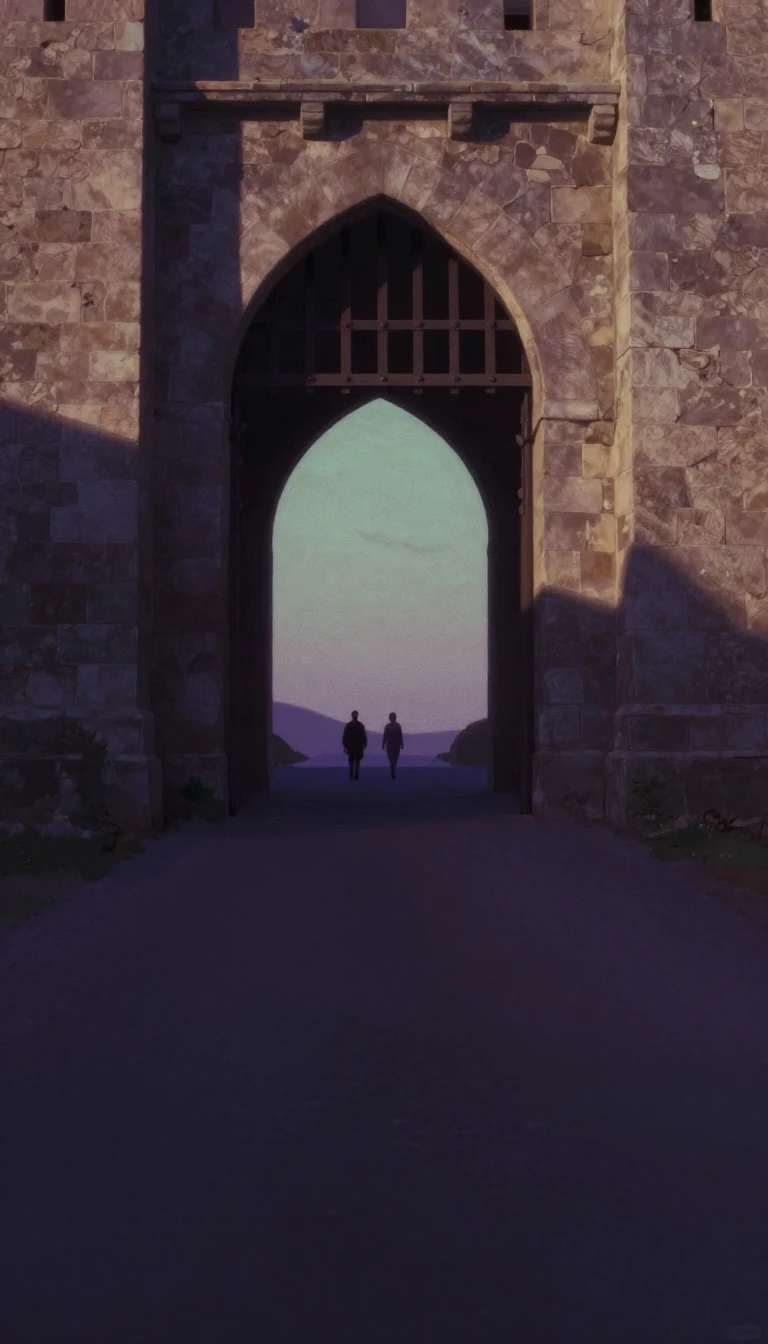
In short: Known as the oldest city in Russia, Derbent has served as a strategic military outpost for millennia. Its name, meaning gate in the barrier, reflects its role as a vital passage between the Eurasian Steppe and the Iranian Plateau, guarded by massive walls that once defined the frontier of empires.
Derbent occupies a narrow three-kilometer strip of land between the Caspian Sea and the Caucasus Mountains. This geography made it the primary bottleneck for land traffic between West Asia and the Eurasian Steppe, with the only other viable crossing being the distant Darial Gorge. Historically, the city has been a prize for shifting powers, including the Persian, Arab, Mongol, and Timurid kingdoms, before eventually falling under Russian control in the 19th century.
The city's identity is inseparable from its defensive architecture. The Sasanian Empire, particularly under Kavad I and his son Khosrow I, transformed Derbent into a formidable fortress. Massive stone walls, some reaching 20 meters in height, were constructed to seal the coastal route against northern invaders. These fortifications were so impressive that some Arab historians included them among the wonders of the world, often linking them to the legendary Gates of Alexander.
Beyond its military function, Derbent served as a crucible for diverse cultures. For centuries, it acted as a center for Persian influence, with rulers like Khosrow I actively relocating thousands of families from the Persian interior to solidify their hold. The city also became a spiritual hub, hosting significant Armenian and Mountain Jewish communities. By the 9th century, under the Arab Caliphate, it had become the largest city in the Caucasus, boasting a population of over 50,000.
The city's demographic landscape has been as fluid as its political history. Censuses from the late 19th century reveal a population dominated by people of Iranian descent, alongside significant Jewish and Turkic communities. Today, Derbent remains a vital cultural and industrial center, though its history is marked by the scars of conflict, from the medieval sack by the Western Turkic Khaganate to the modern challenges facing its remaining religious communities.
Opens the Intellect+ feed with this card first. Swipe up for the next one.
Sources
- Summary by Intellect · source: Derbent
- Also: Wikidata — Derbent · CC0
- Also: Wikidata — Derbent · CC0
To cite this card, link to https://intellectplus.co.uk/app/places-derbent.
How we source, check and correct cards: Editorial standards.
General information, not professional advice. Spotted an error? Flag the card or see corrections and complaints.
Intellect Plus is a visual educational discovery platform for exploring fascinating facts and ideas. Brain Food, Not Brain Rot. What is Intellect Plus?
Related
More in World Heritage Sites · More in Countries & Cities · Latest · A–Z · All topics
