Why the history of North Macedonia is a battlefield of competing national identities
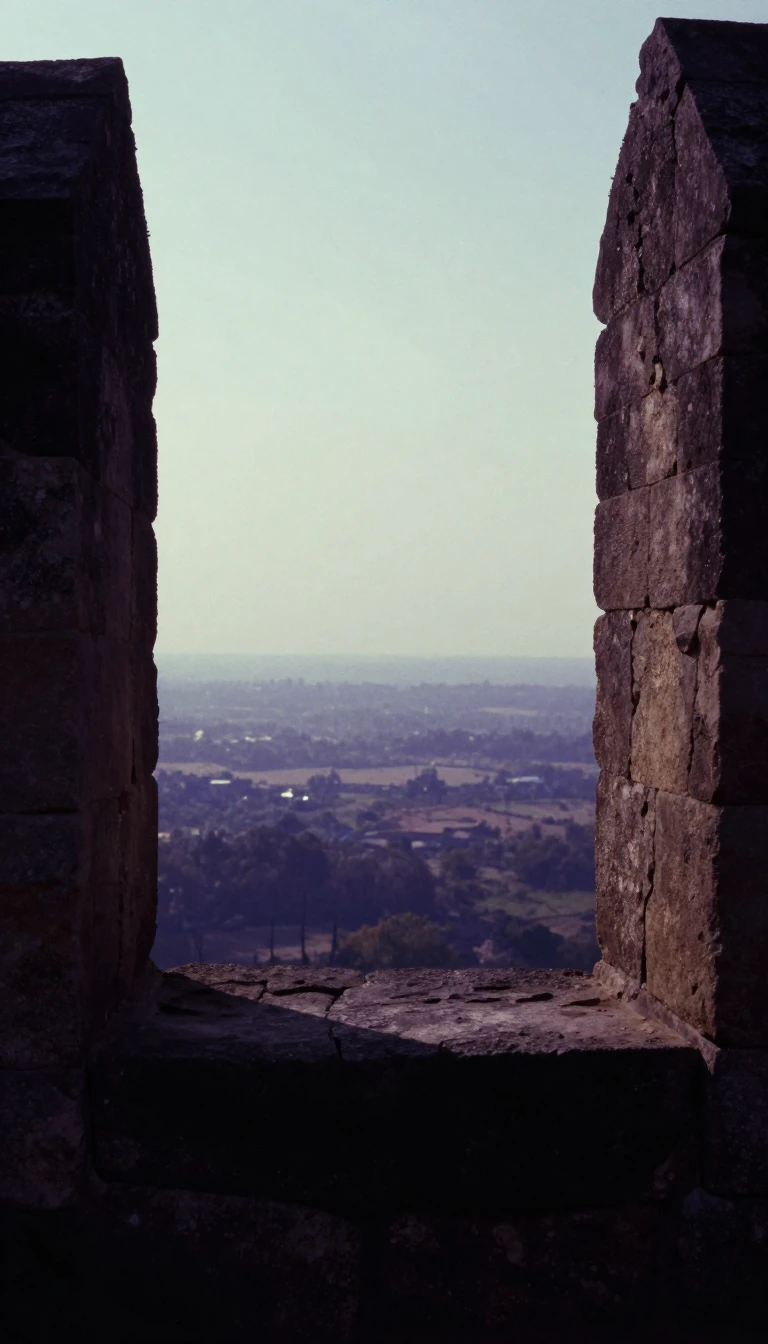
In short: The territory of North Macedonia has been a crossroads for empires and tribes for millennia. Today, its complex past fuels modern political disputes, as neighboring nations trace their own heritage back to the same ancient kingdoms, medieval empires, and cultural legacies that once occupied this contested Balkan landscape.
The region has been inhabited since the Neolithic era, but its identity remains deeply layered. By the 1st millennium BCE, it was a mix of Illyrian, Thracian, and Greek peoples. While Philip II of Macedon and his son Alexander the Great are the most famous figures associated with the area, their states were ephemeral. This ancient history is now a point of contention, with both Greeks and Albanians claiming indigenous status based on the achievements of these early Macedonian and Illyrian states.
The arrival of Slavic tribes in the 6th century fundamentally altered the region's demographics. By the 9th century, the consolidation of Eastern Christianity and the work of Saints Cyril and Methodius—who developed an alphabet for the Slavic tongue—created a lasting cultural foundation. This heritage is central to the identity of the modern Republic of North Macedonia, where about three-fourths of the population identify as Macedonian. However, the emergence of this specific national identity is historically intertwined with, and often indistinguishable from, a broader Slavic-Orthodox identity and an earlier Bulgarian national consciousness.
Medieval power struggles further complicate these claims. The First Bulgarian Empire, particularly under Samuel (reigned 976–1014), established a capital in Ohrid, making the region a political and cultural center. Later, the Serbian Nemanjić dynasty, peaking under Stefan Dušan (reigned 1331–55), incorporated the area into a vast empire. Dušan was crowned in Skopje in 1346, an event Serbs still cite as evidence of their historical stake in the region. These overlapping histories—Byzantine, Bulgarian, and Serbian—continue to inform modern diplomatic tensions, most notably the long-standing efforts by Greece to challenge the republic's name and identity following its 1991 independence.
Opens the Intellect+ feed with this card first. Swipe up for the next one.
Sources
- Summary by Intellect · source: North Macedonia - Ancient, Ottoman, Yugoslav | Britannica
- Also: History of North Macedonia
To cite this card, link to https://intellectplus.co.uk/app/history-history-of-north-macedonia.
How we source, check and correct cards: Editorial standards.
General information, not professional advice. Spotted an error? Flag the card or see corrections and complaints.
Intellect Plus is a visual educational discovery platform for exploring fascinating facts and ideas. Brain Food, Not Brain Rot. What is Intellect Plus?
Related
More in History by country, small region and city · More in History · Latest · A–Z · All topics
