Why the name Macedonia describes a region, a kingdom, and a modern international conflict.
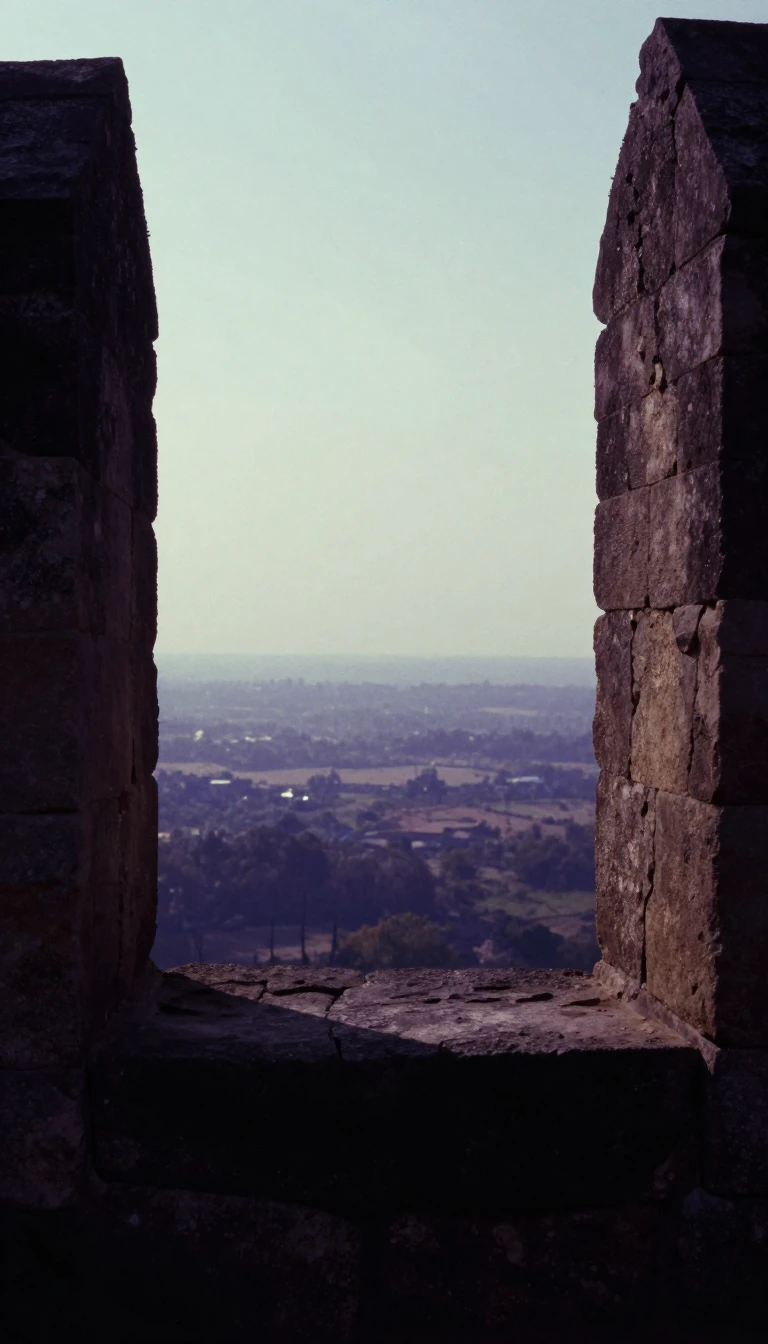
In short: The name Macedonia carries layers of history, from an ancient kingdom to a contested Balkan crossroads. Today, the region is split between three nations, but its identity remains a complex puzzle of shifting borders, diverse ethnic legacies, and a century-long struggle to define who truly belongs to the land.
The geographical region of Macedonia covers roughly 25,900 square miles in the south-central Balkans. Its traditional boundaries are defined by natural landmarks, including the Néstos River and the Rhodope Mountains to the east, the Pindus Mountains to the south, and the Šar mountains to the north. This strategic territory has served as a crossroads linking the Adriatic, the Aegean, and the Danube since ancient times.
The region takes its name from the ancient kingdom of Macedonia, which expanded its influence throughout the Mediterranean by the 4th century BCE. Following its transition into a Roman province in the 2nd century BCE, the area underwent profound demographic shifts. The arrival of Slavic peoples in the 6th and 7th centuries CE, followed by centuries of rule under the Byzantine, Bulgarian, Serbian, and Ottoman empires, created a heterogeneous population with overlapping national loyalties.
By the late 19th century, the 'Macedonian Question' emerged as a volatile international problem. Greece, Bulgaria, and Serbia each asserted historical claims to the region, leading to the formation of the Balkan League and subsequent conflicts. Following the Balkan Wars of 1912–13, the region was partitioned, with the southern half assigned to Greece, the northern portion to Serbia, and a smaller segment to Bulgaria. This division was further solidified by mass population exchanges in the early 20th century, including the 1923 Treaty of Lausanne, which saw hundreds of thousands of people displaced.
Today, the legacy of these competing claims persists. The region remains divided, with about 50 percent in Greece, 10 percent in Bulgaria, and the remainder forming the independent Republic of North Macedonia. The historical layering of these empires and the subsequent drawing of modern international boundaries continue to influence the cultural identity and political stability of the entire Balkan Peninsula.
Opens the Intellect+ feed with this card first. Swipe up for the next one.
Sources
- Summary by Intellect · source: Macedonia | Map, History, & Facts | Britannica
- Also: Macedonia (region)
To cite this card, link to https://intellectplus.co.uk/app/history-macedonia-region.
How we source, check and correct cards: Editorial standards.
General information, not professional advice. Spotted an error? Flag the card or see corrections and complaints.
Intellect Plus is a visual educational discovery platform for exploring fascinating facts and ideas. Brain Food, Not Brain Rot. What is Intellect Plus?
Related
More in Post-classical · More in History · Latest · A–Z · All topics
